

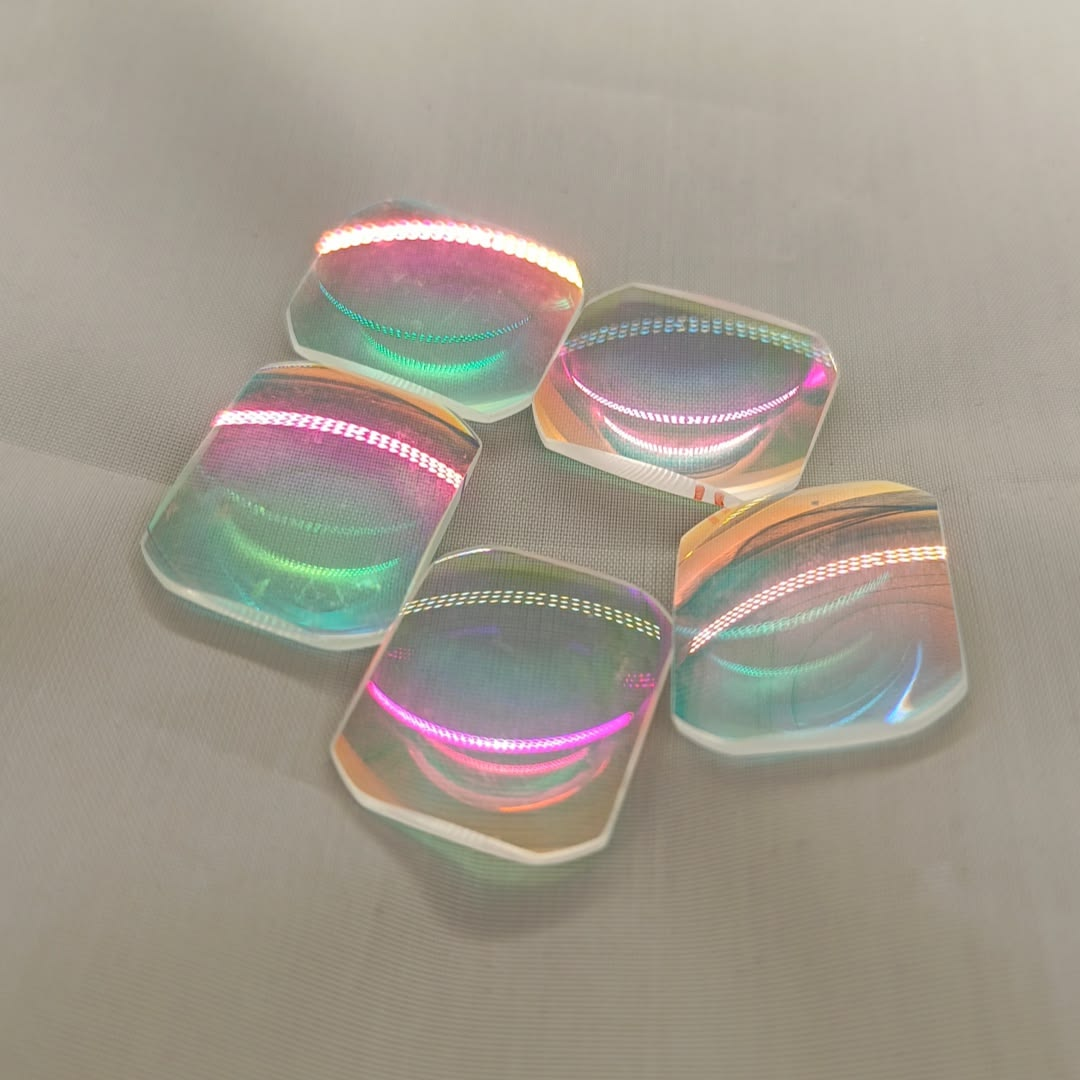
High Performance Coating: Engineering Multifunctional Surfaces for Advanced Applications
What Is a High Performance Coating?
A high performance coating is an engineered surface layer designed to provide one or more measurable properties beyond those offered by the original substrate.
Unlike a basic protective finish, a high-performance coating is typically developed around specific application requirements. These may include high hardness, abrasion resistance, scratch resistance, optical performance, chemical resistance, corrosion protection, adhesion, environmental stability, or a controlled visual appearance.
The purpose is not simply to make a surface harder or more attractive. The objective is to modify the surface so that the finished component performs more reliably under its intended operating conditions.
This distinction is increasingly important for modern electronics and precision components. A single product may need to withstand mechanical contact while also maintaining optical clarity, appearance, dimensional accuracy, and environmental stability.
Advanced thin-film and vacuum coating technologies provide manufacturers with a way to engineer these properties at the surface level without replacing the underlying substrate.
Why High Performance Coatings Are Important
The surface of a component is often the first part exposed to the outside environment.
Mechanical contact, friction, cleaning, moisture, chemicals, temperature changes, and handling can all affect surface performance.
A coating can help address these challenges by creating a controlled interface between the substrate and its environment.
Typical objectives include:
- Improving surface hardness
- Reducing abrasion and wear
- Increasing scratch resistance
- Protecting against chemical exposure
- Improving corrosion resistance
- Controlling optical transmission and reflection
- Maintaining decorative appearance
- Improving environmental durability
- Adding hydrophobic or oleophobic functionality
- Supporting specific application requirements
The appropriate combination depends on the component and its operating environment.
High Performance Does Not Mean One Property
One of the most important concepts in coating engineering is that “high performance” is not a single measurable characteristic.
A coating may be extremely hard but have insufficient adhesion. Another may have excellent optical transmission but poor abrasion resistance. A decorative coating may provide the desired appearance but fail under aggressive environmental exposure.
Therefore, high performance should be evaluated against the complete application specification.
For example, an optical component may require a combination of:
Optical transmission + surface durability + adhesion + environmental stability
A smartphone back panel may require:
Appearance + texture + scratch resistance + chemical resistance + production consistency
A precision industrial component may require:
Wear resistance + dimensional control + adhesion + environmental stability
The engineering challenge is to balance these properties rather than maximize only one.
The Role of Advanced Thin-Film Technology
Modern coating systems can use thin-film structures to modify surface behavior while maintaining the dimensions and characteristics of the underlying component.
Vacuum deposition technologies are particularly useful for precision applications because coating parameters can be carefully controlled during deposition.
Depending on the application, technologies may include:
- Magnetron sputtering
- Physical vapor deposition
- Electron beam evaporation
- Ion-assisted deposition
- Other vacuum-based thin-film processes
The selected process depends on substrate material, coating composition, geometry, desired thickness, optical requirements, and production objectives.
For advanced components, process selection is just as important as material selection.
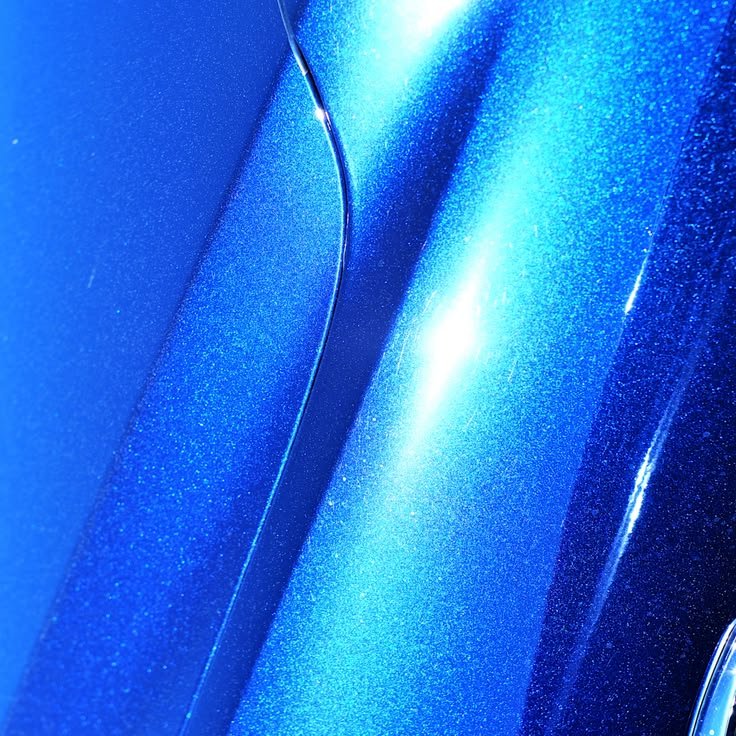
Substrate Compatibility Is Critical
A coating cannot be evaluated independently from its substrate.
Glass, sapphire, aluminum, stainless steel, ceramic, and engineering plastics each have different physical and surface characteristics.
These differences influence:
- Surface preparation
- Cleaning requirements
- Adhesion
- Thermal behavior
- Film stress
- Deposition conditions
- Final appearance
- Mechanical performance
A high-performance coating that works well on one substrate may require significant process adjustment for another.
This is why coating development should begin with the substrate and its application rather than simply selecting a coating material from a catalog.
Surface Preparation Before Coating
Even an advanced deposition process cannot compensate indefinitely for poor surface preparation.
Before coating, the substrate generally needs to be properly inspected and cleaned.
Typical preparation considerations include:
- Incoming material inspection
- Removal of dust and particles
- Cleaning of oils and organic contaminants
- Surface conditioning
- Drying
- Proper fixture and loading
- Vacuum preparation
- Deposition
Contamination at the interface can reduce adhesion and create defects in the finished film.
For optical products, surface cleanliness is particularly important because particles or defects can affect transmission, scattering, and appearance.
High Performance Coating and Surface Hardness
Surface hardness is one of the most common performance requirements.
A harder coating can help reduce deformation caused by mechanical contact and may improve resistance to scratching and wear.
However, hardness alone does not define coating quality.
A practical high-performance system should also consider:
- Adhesion
- Toughness
- Internal stress
- Film thickness
- Substrate properties
- Surface roughness
- Contact conditions
For example, excessive internal stress can contribute to cracking or delamination even when the coating has high hardness.
This is why advanced coating development often involves balancing several material and process parameters.
SRNC’s Sapphire Super Hard Coating represents a coating application where high surface hardness and durable surface protection are important considerations.
Abrasion and Wear Resistance
Repeated mechanical contact can gradually damage a surface.
This is especially relevant for consumer electronics, optical products, industrial components, and frequently handled parts.
Abrasion resistance depends on the complete coating system, including:
- Surface hardness
- Film structure
- Adhesion
- Friction
- Surface roughness
- Counter-body material
- Contact pressure
- Number of cycles
- Environmental conditions
For this reason, wear testing should reflect the expected use environment as closely as possible.
A coating that performs well in a single scratch test may not necessarily provide the same performance under prolonged repetitive rubbing.
Optical Performance in High Performance Coatings
Many advanced coatings are used on surfaces where light transmission or reflection must be controlled.
Camera cover glass, optical windows, lenses, sensors, and other transparent components can require precise thin-film engineering.
Important optical parameters may include:
- Light transmission
- Reflection
- Refractive index
- Film thickness
- Layer structure
- Surface uniformity
- Haze
- Scattering
- Wavelength response
- Angle of incidence
The challenge is to improve surface protection without introducing unacceptable optical losses.
For example, an optical coating may need to maintain high transmission while also resisting abrasion and contamination.
SRNC’s Functional Coating for Cell Phone Camera addresses this type of application, where coating functionality must be considered alongside optical requirements.
Chemical and Environmental Resistance
Mechanical damage is only one source of surface degradation.
Components can also encounter:
- Cleaning agents
- Oils
- Sweat
- Cosmetics
- Humidity
- Salt-containing environments
- Temperature variation
- Industrial chemicals
A high-performance coating can be designed to provide additional resistance against selected environmental factors.
However, chemical resistance depends strongly on the specific chemical, concentration, temperature, exposure duration, and coating structure.
Therefore, qualification should be based on the actual chemicals and conditions expected during product use.
Adhesion: The Foundation of Long-Term Performance
A coating is only useful if it remains attached to the substrate.
Adhesion can be influenced by:
- Surface cleanliness
- Surface roughness
- Substrate chemistry
- Pretreatment
- Deposition energy
- Film composition
- Internal stress
- Deposition temperature
Poor adhesion may result in peeling, cracking, or delamination.
This makes adhesion testing an important part of coating qualification.
Cross-cut testing and other appropriate adhesion evaluation methods can provide useful information about the relationship between the coating and substrate.
Film Thickness and Uniformity
High-performance coating systems require controlled film thickness.
A coating that is too thin may not provide sufficient protection. Excessive thickness can introduce other challenges, including stress, optical changes, or dimensional effects.
Uniformity is particularly important for precision components.
Variations in thickness can lead to differences in:
- Optical behavior
- Appearance
- Mechanical protection
- Surface color
- Functional performance
For complex components, deposition equipment, fixture design, process parameters, and component geometry all influence coating uniformity.
Multifunctional Coating Design
Modern products increasingly require several surface properties simultaneously.
Instead of developing separate solutions for every requirement, engineers may design multifunctional coating systems.
A single surface may be engineered for combinations such as:
- High hardness + abrasion resistance
- Optical transmission + anti-reflection
- Hardness + hydrophobicity
- Decorative appearance + chemical resistance
- Wear resistance + corrosion protection
Multilayer thin-film structures can be useful for this purpose because different layers can contribute different functions.
The exact structure should be developed around the substrate and performance requirements.
High Performance Coatings for Consumer Electronics
Consumer electronics are a strong example of why surface engineering has become increasingly sophisticated.
A modern smartphone or electronic device may contain multiple surfaces requiring different coating strategies.
Display and Cover Glass
The surface may need durability, optical clarity, and resistance to everyday contact.
Camera Cover Glass
The coating may need to balance optical transmission with surface protection and contamination resistance.
Back Panels
Surface appearance, texture, scratch resistance, and tactile properties can become important.
Metal Components
Metal surfaces may require decorative finishing, corrosion resistance, wear resistance, or other functional characteristics.
The coating technology therefore needs to be matched to the individual component rather than treating the entire product as one surface.
High Performance Coatings for Optical Components
Optical components place particularly strict demands on surface engineering.
Even small variations in surface quality can influence optical behavior.
For optical applications, manufacturers should consider:
- Substrate quality
- Surface cleanliness
- Film thickness
- Refractive index
- Optical uniformity
- Coating adhesion
- Environmental stability
- Mechanical durability
A high-performance optical coating should therefore be evaluated through both optical and mechanical testing.
Manufacturing Consistency Matters
A coating can demonstrate excellent results in laboratory development but still face challenges during mass production.
Production consistency depends on controlling the complete process.
Important variables include:
- Cleaning
- Loading
- Vacuum conditions
- Deposition parameters
- Film thickness
- Fixture configuration
- Equipment condition
- Inspection
- Environmental conditions
Quality control should therefore continue throughout production rather than being limited to final inspection.
A reliable coating manufacturer needs the equipment and process controls required to reproduce the specified surface performance across production batches.
Testing High Performance Coatings
Performance testing should be connected to actual application requirements.
Potential tests include:
Hardness Testing
Used to characterize resistance to deformation.
Abrasion Testing
Used to evaluate surface performance under repeated mechanical contact.
Scratch Testing
Used to assess resistance to localized mechanical damage.
Adhesion Testing
Used to evaluate coating attachment to the substrate.
Optical Testing
Used to measure properties such as reflection and transmission.
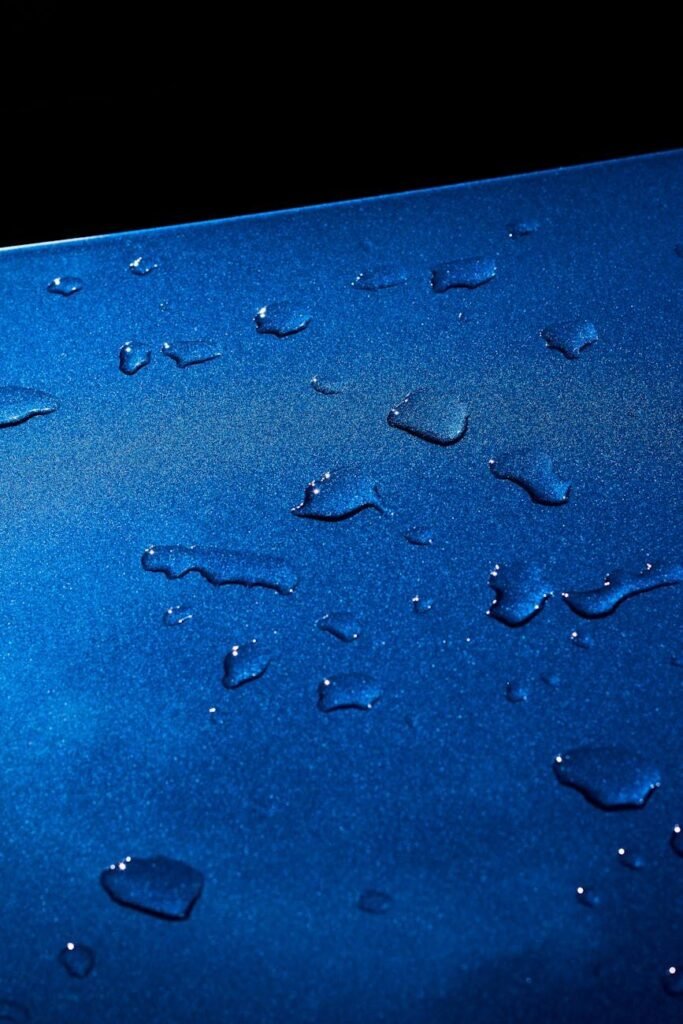
Contact Angle Testing
Useful for evaluating certain surface-wetting characteristics.
Environmental Testing
Temperature, humidity, salt spray, and other controlled conditions can be used depending on the application.
The appropriate test program should be established during product development and qualification.
Selecting a High Performance Coating Supplier
Choosing a coating supplier should involve more than comparing coating names or nominal hardness values.
Manufacturers should evaluate whether the supplier can support the complete development cycle.
Important questions include:
Does the supplier understand the substrate?
Substrate compatibility is fundamental to coating performance.
Can the supplier customize the coating process?
Different applications may require different film structures and deposition conditions.
Can the supplier perform meaningful testing?
Testing capability helps validate whether the coating meets the actual product specification.
Can the supplier support production scale-up?
A solution should remain stable when moving from sample development to larger production volumes.
Can the supplier control quality consistently?
Repeatability is essential for B2B manufacturing applications.
From Prototype to Mass Production
Coating development should ideally follow a structured progression.
Stage 1: Requirement Definition
Identify the substrate, surface area, operating environment, appearance, and required performance.
Stage 2: Sample Development
Develop an initial coating structure and process.
Stage 3: Performance Testing
Evaluate mechanical, optical, environmental, and functional characteristics as appropriate.
Stage 4: Process Optimization
Adjust deposition conditions, film structure, surface preparation, and other parameters.
Stage 5: Pilot Production
Validate repeatability under realistic manufacturing conditions.
Stage 6: Mass Production
Implement process controls and inspection procedures for stable production.
This approach helps reduce the risk of discovering major coating problems only after large-scale manufacturing begins.
Why Surface Engineering Is the Future of Coating Technology
As components become thinner, lighter, smaller, and more multifunctional, the surface becomes increasingly important.
Instead of changing the bulk material to obtain every desired characteristic, manufacturers can engineer the surface separately.
This allows the underlying substrate to retain its structural or optical role while the coating provides additional functionality.
Vacuum deposition and advanced thin-film technologies are particularly suited to this approach because they can create highly controlled surface layers.
The result is a shift from traditional finishing toward engineered functional surfaces.
Conclusion
A high performance coating is not defined by a single property. It is an engineered surface system designed to provide the combination of performance characteristics required by a specific application.
Depending on the product, these characteristics may include hardness, abrasion resistance, scratch resistance, optical control, chemical resistance, corrosion protection, adhesion, environmental stability, or a controlled appearance.
Achieving reliable performance requires more than selecting a coating material. Substrate preparation, deposition technology, film structure, thickness, uniformity, adhesion, testing, and production control all contribute to the final result.
For manufacturers of electronics, optical components, glass, sapphire, metal, and other precision products, advanced vacuum coating technology provides a practical route toward durable and multifunctional surfaces.
The most effective coating solution is therefore one developed around the complete product requirement—from substrate and surface preparation to deposition, testing, and scalable production.