

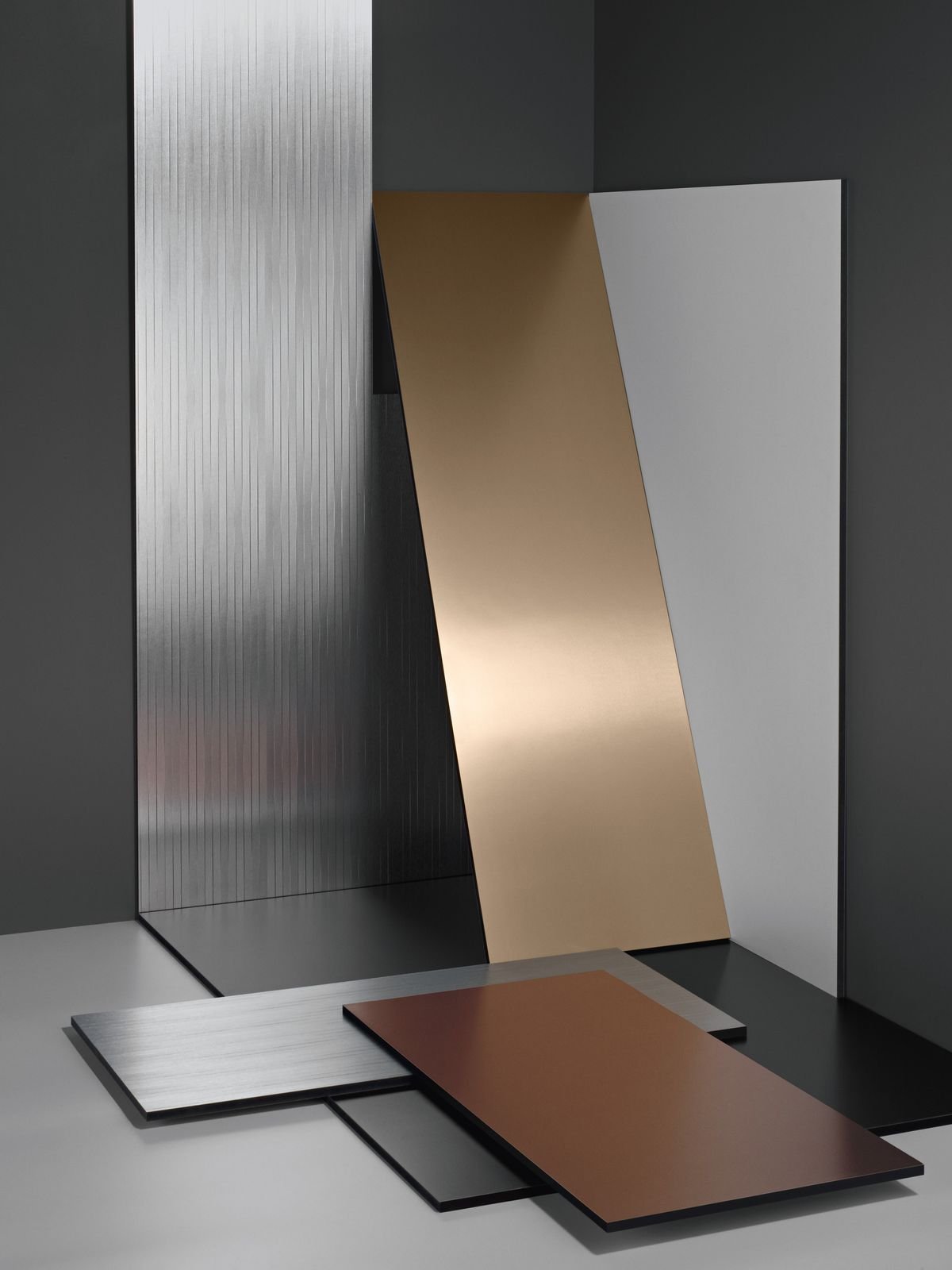
Surface Hardness Coating: Engineering Durable and Scratch-Resistant Surfaces
Introduction
Surface durability is a critical requirement for many modern products. Components are exposed to friction, contact, handling, cleaning, environmental conditions, and repeated use throughout their service life. Even when the underlying material is mechanically strong, its exposed surface may still be vulnerable to scratches, abrasion, and gradual wear.
This is where surface hardness coating becomes important.
A surface hardness coating is an engineered thin-film or surface-treatment system designed to improve the resistance of a substrate against mechanical damage. Depending on the coating technology and application, it can help improve scratch resistance, wear resistance, and overall surface durability while maintaining the required appearance or functional properties.
Surface hardness coatings can be used on materials such as glass, metal, ceramic, and selected engineered substrates. They are particularly relevant to consumer electronics, optical components, precision products, and other applications where surface quality needs to remain stable during repeated use.
This article explains how surface hardness coatings work, what determines their performance, which coating technologies are commonly used, and how manufacturers can select an appropriate coating system.
What Is Surface Hardness Coating?
Surface hardness coating refers to a coating or engineered surface layer that increases the resistance of a substrate to mechanical damage.
The coating forms a controlled layer on the surface of the component. Depending on the technology, this layer may have different chemical compositions, structures, thicknesses, and mechanical properties.
The main objectives can include:
- Increasing scratch resistance
- Improving abrasion resistance
- Reducing surface wear
- Protecting the substrate
- Maintaining surface appearance
- Improving service-life durability
- Providing additional functional properties
The important point is that surface hardness is not the same as overall material hardness.
A component can have a relatively soft bulk material while receiving a harder surface coating. Conversely, a hard substrate may still benefit from a specialized coating designed to improve wear or surface performance.
The coating therefore acts as an engineered surface layer rather than changing the properties of the entire component.
Why Is Surface Hardness Important?
The outer surface of a product experiences most of the direct mechanical interaction.
Consider a smartphone, optical component, or industrial part. During its service life, the surface may encounter:
- Repeated contact
- Sliding friction
- Particles and dust
- Tools or other components
- Cleaning materials
- Fingernails
- Packaging materials
- Assembly operations
Small interactions can accumulate over time.
A scratch may begin as a microscopic defect but become increasingly visible as the surface is repeatedly used. Abrasion can gradually change gloss, texture, color, or optical behavior.
A properly designed surface hardness coating can reduce the susceptibility of the surface to these forms of damage.
How Does a Surface Hardness Coating Work?
The basic concept is relatively straightforward.
A hard or wear-resistant coating is deposited onto a prepared substrate. The coating forms a protective surface layer with mechanical properties that differ from the underlying material.
A simplified process can be represented as:
Substrate Preparation → Cleaning → Surface Activation → Thin-Film Deposition → Process Control → Inspection
The resulting coating can provide a harder interface between the product and its environment.
However, the performance of the coating does not depend on hardness alone.
Other factors include:
- Adhesion
- Film thickness
- Internal stress
- Coating structure
- Substrate hardness
- Surface roughness
- Deposition conditions
- Environmental stability
A coating with excellent hardness but poor adhesion may fail prematurely. Likewise, a hard film on an unsuitable substrate may not provide the expected level of practical scratch resistance.
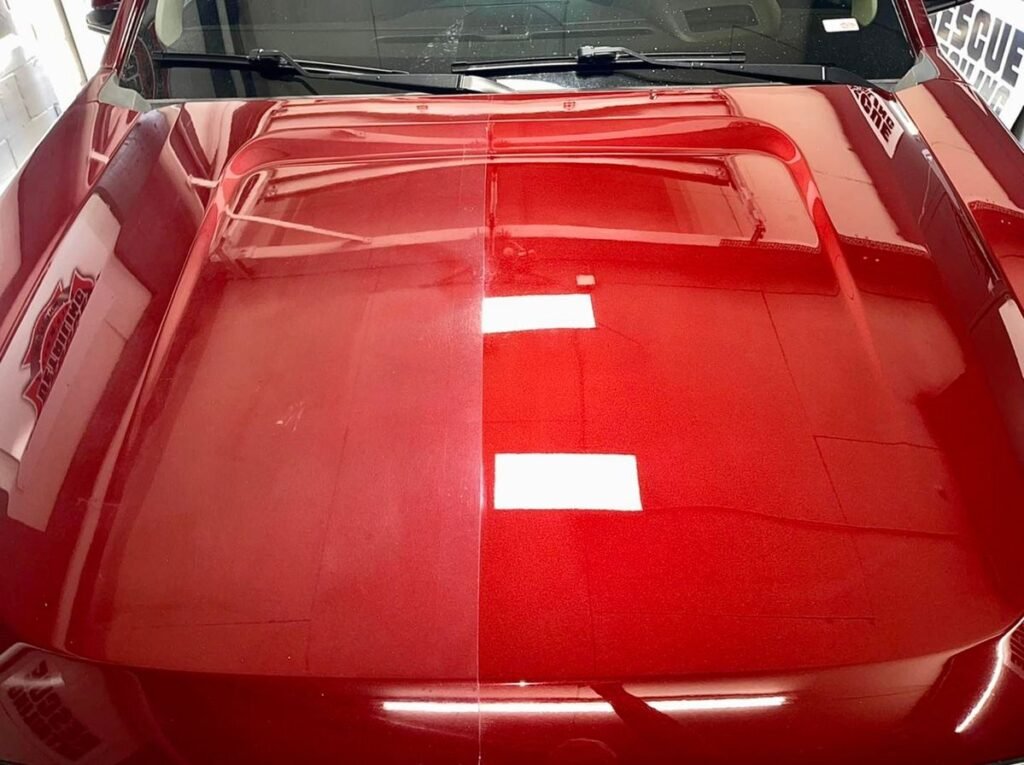
Common Materials Used in Hard Surface Coatings
Surface hardness coatings can be engineered using different materials depending on the application.
Potential coating materials and structures can include:
- Metal compounds
- Ceramic-like thin films
- Oxide-based materials
- Nitride-based materials
- Carbide-related materials
- Multilayer thin-film structures
- Other engineered nanocomposite systems
The exact material system depends on the required performance.
For example, an optical component may require a coating architecture that balances hardness with optical transmission, while a decorative metal component may prioritize hardness, appearance, adhesion, and corrosion resistance.
This is why there is no universal surface hardness coating for every application.
PVD and Surface Hardness Coatings
Physical vapor deposition, or PVD, is an important technology for producing advanced hard thin films.
PVD processes take place under controlled vacuum conditions and can deposit thin layers onto appropriately prepared substrates.
Two widely recognized PVD approaches include:
- Magnetron sputtering
- Evaporation
Depending on the equipment and coating architecture, PVD can provide precise control over thin-film deposition.
Important process variables may include:
- Vacuum conditions
- Deposition rate
- Gas composition
- Substrate temperature
- Ion bombardment
- Film thickness
- Material composition
- Layer structure
This process control is particularly useful when manufacturers need a combination of surface hardness, adhesion, appearance, and dimensional precision.
For advanced surface protection applications, SRNC provides Sapphire Super Hard Coating as part of its surface coating technology portfolio.
Hardness vs. Scratch Resistance
One of the most common misunderstandings in coating development is treating hardness and scratch resistance as exactly the same property.
They are related, but they are not identical.
Hardness
Hardness describes a material’s resistance to localized deformation or penetration under a defined test method.
Scratch Resistance
Scratch resistance describes how well a surface resists visible or measurable damage caused by contact with another material.
A coating may have high measured hardness but still show scratches under certain conditions.
Why?
Because practical scratching depends on several variables:
- Relative hardness of the contacting material
- Contact force
- Surface geometry
- Friction
- Coating thickness
- Substrate support
- Film adhesion
- Surface defects
Therefore, manufacturers should evaluate both hardness and practical scratch resistance when developing a protective coating.
Hardness vs. Wear Resistance
Wear is another related but different phenomenon.
Scratch damage may be caused by a relatively isolated contact event, while wear often develops through repeated friction.
For example, a surface may experience thousands of sliding contacts during its service life.
Wear resistance therefore depends on:
- Hardness
- Friction
- Coating structure
- Adhesion
- Counterface material
- Contact pressure
- Number of cycles
- Environmental conditions
A surface hardness coating should consequently be evaluated according to the actual use conditions of the product.
The Importance of Substrate Compatibility
A coating never exists independently from its substrate.
The interface between coating and substrate is one of the most important parts of the system.
Common substrates can include:
Glass
Glass is widely used in displays, optical components, and consumer electronics. Coatings must provide good adhesion without compromising required optical characteristics.
Metal
Aluminum and stainless steel are commonly used in electronic housings and other components. Surface preparation and adhesion can be particularly important.
Ceramic
Ceramic substrates can offer high inherent hardness, but coating design still needs to account for surface condition and interface properties.
Engineering Plastics
Some polymers can receive hard surface coatings, but processing temperature and surface energy need careful consideration.
Composite Materials
Composite surfaces may require specialized preparation because the exposed surface can have complex material characteristics.
Surface Preparation Is Critical
Even a high-performance coating cannot compensate for poor substrate preparation.
Before deposition, manufacturers may need to address:
- Dust
- Oils
- Fingerprints
- Processing residues
- Oxides
- Surface particles
- Existing contamination
Cleaning is therefore a fundamental part of the process.
Depending on the substrate and coating technology, additional surface activation or pre-treatment may be used to improve adhesion.
The goal is to create a clean, stable interface between the substrate and coating.
Film Thickness and Surface Hardness
The thickness of a hard coating needs to be carefully controlled.
A thicker coating is not automatically a better coating.
Film thickness can influence:
- Mechanical performance
- Adhesion
- Internal stress
- Appearance
- Optical properties
- Dimensional tolerances
- Production efficiency
The appropriate thickness depends on the coating architecture and application.
For optical components, thickness may also influence optical interference and transmission characteristics.
For decorative surfaces, thickness can affect color and visual uniformity.
Consequently, surface hardness coating development requires a balance between mechanical protection and other product requirements.
Multilayer and Nanocomposite Coatings
Modern surface engineering can use more sophisticated coating structures than a single homogeneous layer.
Multilayer coatings can combine different materials or functions in a controlled architecture.
For example, different layers may contribute to:
- Adhesion
- Hardness
- Wear resistance
- Optical behavior
- Corrosion protection
- Decorative appearance
Nanocomposite approaches can also combine different material phases at a small scale to engineer specific properties.
The advantage of these approaches is that a coating does not necessarily need to rely on one material to provide every required function.
Instead, the surface can be designed as a system.
Surface Hardness Coating for Consumer Electronics
Consumer electronics are a major application area for advanced surface coatings.
Products such as smartphones, optical components, smart devices, and electronic housings may require surfaces that remain attractive after repeated handling.
Typical requirements can include:
- Scratch resistance
- Abrasion resistance
- Fingerprint resistance
- Chemical resistance
- Surface appearance
- Tactile quality
- Adhesion
- Environmental stability
For smartphone applications, different components can require different coating strategies.
Camera components, for example, may prioritize optical performance, while a back panel may place greater emphasis on appearance, texture, tactile feel, and durability.
For camera-related applications, SRNC also provides Functional Coating for Cell Phone Camera, illustrating how coating requirements can vary according to the component’s function.
Surface Hardness Coating for Glass
Glass is a particularly interesting substrate because it combines optical functionality with surface durability requirements.
A hard coating on glass can be designed to improve resistance to:
- Scratches
- Abrasion
- Handling damage
- Surface wear
However, the coating must also maintain the required optical properties.
For optical or display-related applications, manufacturers may need to consider:
- Light transmission
- Reflection
- Haze
- Color
- Film uniformity
- Surface defects
This creates a more complex engineering challenge than simply maximizing hardness.
Surface Hardness Coating for Metal
Metal components can benefit from hard coatings where surface wear, scratching, or decorative appearance is important.
A coating may provide additional protection while also contributing to the final appearance.
For example, a metal component may require:
- Hard decorative finish
- Improved scratch resistance
- Wear protection
- Corrosion resistance
- Controlled color
- Consistent surface appearance
The substrate preparation process is particularly important because metal surfaces can contain oxides, machining residues, polishing compounds, and other contaminants.
Testing Surface Hardness Coatings
Testing is essential for determining whether a coating meets its intended specification.
Depending on the application, manufacturers may evaluate:
Hardness
A defined hardness test can provide information about resistance to localized deformation.

Scratch Resistance
Scratch tests can evaluate the surface response to controlled mechanical contact.
Abrasion Resistance
Repeated rubbing or friction can be used to assess wear behavior.
Adhesion
Adhesion testing helps determine whether the coating remains securely attached to the substrate.
Environmental Stability
Temperature and humidity exposure can help evaluate coating stability under environmental conditions.
Chemical Resistance
Exposure to relevant chemicals can help determine whether the surface maintains its properties during use.
SRNC’s coating manufacturing approach includes inspection and testing as part of the broader production process, helping manufacturers evaluate both coating appearance and performance.
How to Select the Right Surface Hardness Coating
When evaluating a surface hardness coating supplier or technology, buyers should begin with the actual application rather than simply asking for the highest hardness value.
Consider the following questions:
What Is the Substrate?
Glass, metal, ceramic, polymer, and composite materials can require different approaches.
What Type of Damage Is Expected?
Determine whether the primary concern is scratching, abrasion, impact, chemical exposure, or a combination.
What Appearance Is Required?
Hard coatings may need to maintain a specific color, gloss, texture, transparency, or reflectivity.
What Environmental Conditions Will the Product Experience?
Temperature, humidity, chemicals, and repeated mechanical contact can influence coating selection.
What Production Volume Is Required?
A coating must not only work in the laboratory. It should also be capable of consistent production.
What Testing Is Required?
Define measurable acceptance criteria before production qualification.
Surface Hardness Coating in Mass Production
The transition from laboratory samples to mass production can be challenging.
Small changes in:
- Cleaning
- Equipment condition
- Deposition parameters
- Material batches
- Component positioning
- Surface preparation
- Environmental conditions
can influence coating results.
Therefore, a production-ready surface hardness coating should have a defined process window and appropriate quality controls.
Manufacturers should evaluate:
Sample → Prototype → Pilot Production → Qualification → Mass Production
At each stage, the coating should be checked against established performance and appearance requirements.
Conclusion
Surface hardness coating is an important surface engineering technology for improving the durability of advanced components.
Rather than simply adding a hard layer, successful coating development requires coordination between the substrate, surface preparation, coating structure, deposition process, film thickness, adhesion, and testing.
PVD and other thin-film technologies can provide controlled coating architectures for applications involving glass, metal, ceramic, polymers, and other engineered substrates.
Most importantly, surface hardness should not be evaluated in isolation. A high-quality coating system needs to balance hardness with scratch resistance, wear resistance, adhesion, appearance, environmental stability, and the specific requirements of the finished product.
For manufacturers developing durable electronic, optical, or decorative components, a carefully engineered surface hardness coating can provide an effective way to improve surface performance without changing the underlying material throughout the entire component.