

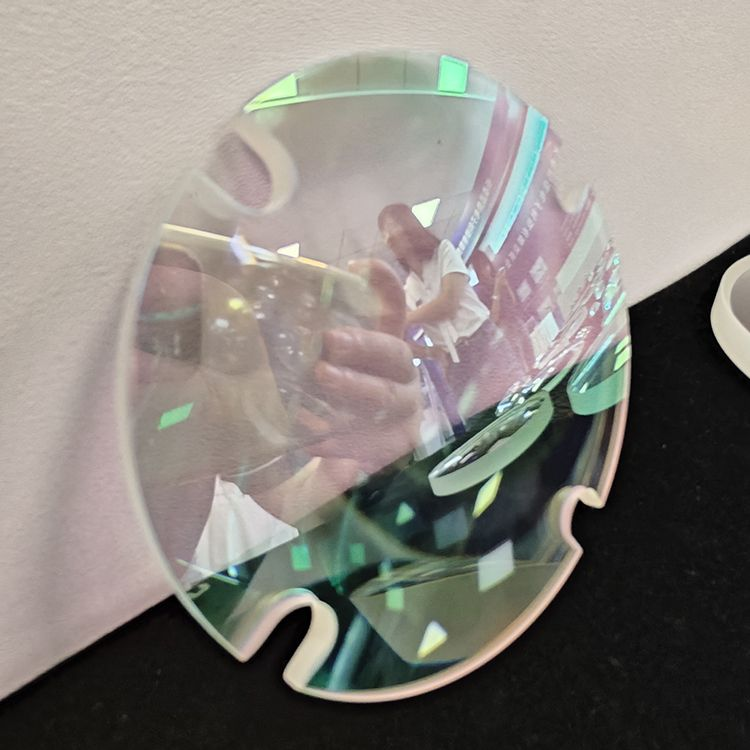
Why Use Texture Coating? Key Benefits for Modern Product Surfaces
Why Use Texture Coating?
Why use texture coating instead of leaving a product surface smooth and untreated?
For modern manufacturers, the answer is rarely just “because it looks good.”
Texture coating can be used to engineer a combination of visual appearance, tactile experience, surface performance, and product differentiation.
A controlled textured surface can change how a component reflects light, how it feels when touched, and how visible fingerprints or minor surface marks appear. Depending on the coating system, it may also contribute to scratch resistance, abrasion resistance, chemical resistance, and environmental stability.
This makes texture coating particularly valuable for consumer electronics, smartphones, appliances, automotive components, and other products where the surface is both functional and highly visible.
For manufacturers, the key question is not simply whether a texture coating looks attractive. It is whether the coating can deliver the required surface characteristics consistently and reliably in production.
1. Texture Coating Creates a Distinctive Appearance
One of the primary reasons to use texture coating is visual design.
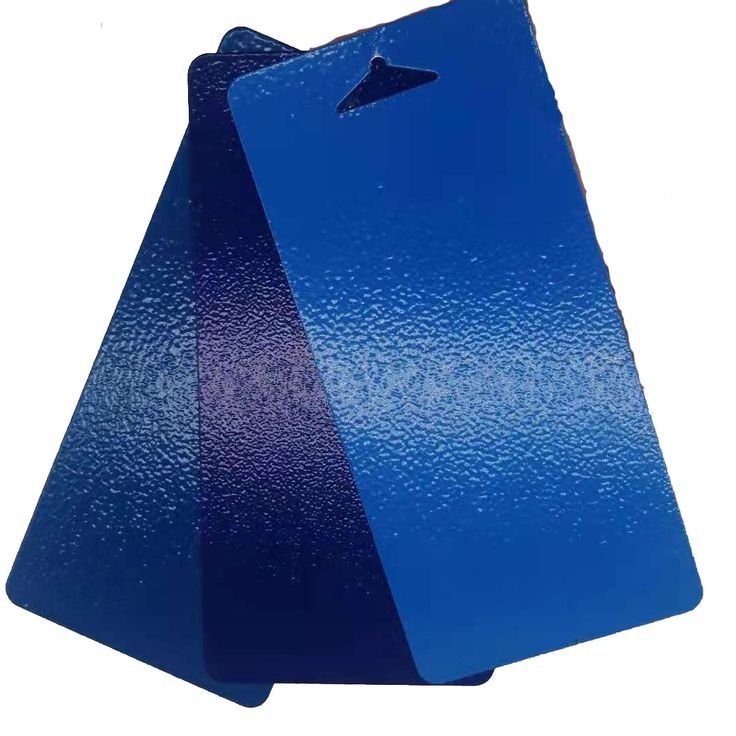
A completely smooth surface offers a relatively limited visual effect. By introducing controlled surface texture, manufacturers can create a much broader range of appearances.
Depending on the coating system and surface structure, possible finishes include:
- Matte
- Satin
- Frosted
- Fine-grained
- Metallic
- Soft-textured
- Micro-textured
- Other customized decorative effects
Texture changes how light interacts with the surface.
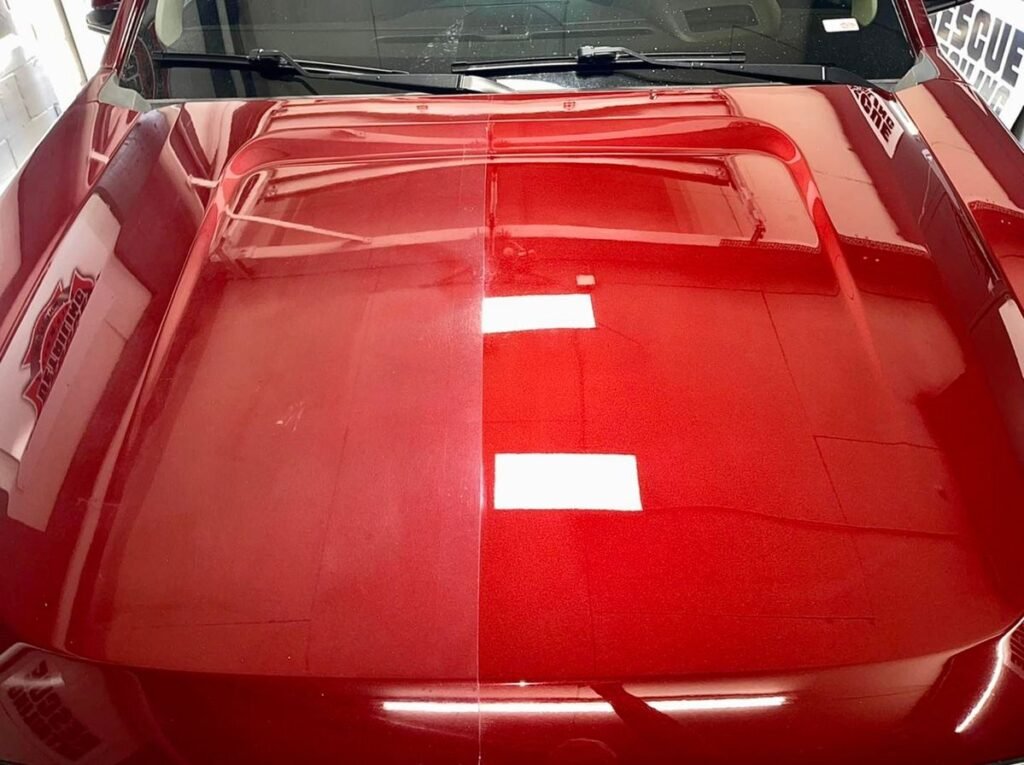
A highly polished surface tends to produce stronger directional reflections, while a micro-textured surface can diffuse reflected light and create a softer appearance.
This gives industrial designers greater freedom when developing product surfaces.
For smartphones in particular, the back panel is often an important part of the overall visual identity. A carefully engineered texture can help a device look distinctive without relying solely on color.
SRNC provides Texture Coating for Cell Phone Back Panel for applications where surface appearance and technical performance need to be developed together.
2. Texture Coating Improves Tactile Experience
A second important reason to use texture coating is the way a product feels.
Consumers interact with many products physically. Smartphones, laptops, cameras, appliances, automotive controls, and other devices are frequently touched.
A smooth glossy surface produces one type of tactile response.
A textured surface creates a different contact condition between the user’s finger and the product.
Factors such as:
- Surface roughness
- Micro-texture
- Friction
- Coating chemistry
- Surface energy
can influence tactile perception.
The result can be a more distinctive or refined hand feel.
This is especially valuable for premium consumer products where tactile experience is part of the product design.
Importantly, texture does not have to mean rough.
A micro-textured coating can be engineered to create a subtle tactile effect that is very different from a visibly coarse surface.
3. Texture Can Reduce the Visual Impact of Fingerprints
Another reason manufacturers use texture coating is fingerprint management.
Skin naturally transfers oils to surfaces when people touch them.
On a highly glossy surface, these oils can produce visible marks because they change local light reflection.
A textured or matte surface can scatter reflected light differently, which may make fingerprints less visually prominent.
However, it is important to distinguish between fingerprint visibility and fingerprint resistance.
A textured coating does not automatically prevent fingerprints from being deposited.
Instead, the surface structure and optical characteristics may make those marks less noticeable.
For products where actual oleophobic or easy-clean performance is required, the coating chemistry and surface properties need to be engineered and tested separately.
4. Texture Coating Supports Product Differentiation
Modern consumer electronics markets are highly competitive.
Manufacturers often need ways to differentiate products without making fundamental changes to the internal hardware.
Surface design provides one opportunity.
Texture coating allows designers to create different:
- Surface patterns
- Gloss levels
- Visual effects
- Tactile characteristics
- Color combinations
- Decorative finishes
Two products can use similar underlying materials but appear and feel substantially different because of their surface treatment.
This is one reason texture coating has become an important part of industrial design.
The surface can become part of the product’s identity.
5. Texture Coating Can Improve Surface Durability
Texture coating is not necessarily limited to decorative applications.
Depending on the coating architecture, it can also be engineered for surface protection.
Potential performance characteristics include:
Scratch Resistance
The coating can be developed to resist localized mechanical damage.
Abrasion Resistance
Repeated rubbing and contact can gradually change an untreated surface. An appropriately engineered coating can improve resistance to wear.
Chemical Resistance
A coated surface may need to withstand contact with skin oils, cleaning products, cosmetics, or other chemicals.
Environmental Stability
Temperature and humidity can affect both coatings and substrates. Appropriate coating systems can be tested for stability under defined environmental conditions.
The actual performance depends on the coating material, substrate, thickness, deposition process, and application requirements.
Therefore, “texture coating” should not automatically be interpreted as “highly durable coating.” Durability is a separate performance requirement that must be designed and tested.
6. Texture Coating Changes Light Reflection
Why does a textured surface look different from a smooth surface?
The answer is largely related to light.
A very smooth surface tends to produce specular reflection, where light is reflected in a relatively organized direction.
A micro-textured surface contains small variations that change the direction of reflected light.
This produces more diffuse reflection.
As a result, manufacturers can use surface texture to create:
- Reduced gloss
- Matte appearance
- Satin effects
- Frosted appearance
- Controlled visual diffusion
This principle is particularly useful for consumer electronics.
A smartphone back panel, for example, may need a sophisticated appearance without the intense reflections associated with polished surfaces.
7. Texture Coating Provides More Design Flexibility
Another major reason to use texture coating is customization.
Instead of choosing between only glossy and matte, manufacturers can develop a wide range of surface characteristics.
Design specifications may include:
- Gloss level
- Texture scale
- Surface roughness
- Color
- Metallic appearance
- Tactile response
- Visual depth
- Reflectivity
The exact possibilities depend on the coating technology and substrate.
For OEM and ODM manufacturers, this flexibility can be particularly valuable because different products may require different surface finishes.
A coating supplier with development capabilities can work with the product manufacturer to translate a visual reference or design target into a repeatable production process.
8. Texture Coating Can Be Used on Different Substrates
Another reason to consider texture coating is its adaptability.
Depending on the technology, textured surface treatments can be developed for:
- Glass
- Metal
- Plastic
- Ceramic
- Composite materials
However, the same coating process cannot automatically be applied to every substrate.
Each material has different:
- Surface chemistry
- Thermal characteristics
- Hardness
- Surface energy
- Adhesion behavior
- Manufacturing limitations
For example, glass and plastic may require very different preparation and process conditions.
This makes substrate compatibility one of the first technical questions to consider during coating development.
9. Texture Coating Can Work With Vacuum Coating Technology
For advanced electronic components, texture coating can be integrated with vacuum coating processes.
Physical vapor deposition, or PVD, includes technologies such as:
- Magnetron sputtering
- Evaporation
- Other vacuum deposition techniques
These processes can create controlled thin films on properly prepared substrates.
In an advanced coating system, surface texture and thin-film properties can be considered together.
Variables such as:
- Film thickness
- Layer structure
- Deposition conditions
- Surface morphology
- Substrate preparation
can influence the final appearance and performance.
For specialized high-performance surfaces, SRNC also provides Sapphire Super Hard Coating technology.
10. Texture Coating Can Help Create Matte Surfaces
Texture and matte appearance are closely connected.
A controlled micro-texture can diffuse reflected light and reduce the mirror-like appearance of a polished surface.
This makes texture coating useful for products requiring:
- Low-gloss finishes
- Matte surfaces
- Satin finishes
- Soft visual effects
However, texture and matte are not exactly the same thing.
Texture describes surface structure and tactile/visual characteristics.
Matte primarily describes low-gloss optical appearance.
A textured surface can have different gloss levels, while a matte surface does not necessarily need a strongly tactile texture.
Understanding this distinction helps manufacturers specify coatings more accurately.
11. Texture Coating Can Enhance Premium Product Design
Product quality is often communicated through multiple senses.
Consumers see a product.
They touch it.
They hold it.
They observe how light interacts with its surface.
Texture coating can influence all three visual and tactile experiences.
For premium consumer electronics, a carefully engineered surface can contribute to a perception of:
- Refinement
- Precision
- Modern design
- Material quality
- Distinctiveness
This does not mean a coating alone determines whether a product is premium. Rather, surface engineering becomes one element of the overall industrial design strategy.
12. Texture Coating Can Support Better Surface Consistency
A professional texture coating process is designed to create a repeatable surface.
This is important for mass production.
Without adequate process control, different production batches can show differences in:
- Color
- Gloss
- Texture
- Reflectivity
- Surface defects
- Tactile response
Manufacturers therefore need to control the complete coating process.
Important variables can include:
- Cleaning
- Surface preparation
- Coating parameters
- Film thickness
- Deposition rate
- Substrate positioning
- Environmental conditions
- Inspection procedures
The goal is to ensure that the finished products maintain a consistent appearance and performance.
Why Is Texture Coating Particularly Useful for Smartphone Back Panels?
The smartphone back panel brings together nearly all the reasons for using texture coating.
It is:
- Highly visible
- Frequently touched
- Exposed to abrasion
- Exposed to skin oils
- Important to industrial design
- Produced in large quantities
- Required to maintain consistent appearance
A texture coating can therefore be developed to balance:
Visual design + tactile experience + durability + production consistency.
The challenge is that improving one characteristic does not automatically improve all the others.
For example, increasing surface roughness may change the tactile response but could also affect cleanability or appearance.
Likewise, a highly durable coating may not provide the exact visual finish required by the designer.
Successful development therefore requires optimization across multiple parameters.
What Should Manufacturers Consider Before Using Texture Coating?
Before selecting a texture coating, manufacturers should define the application requirements.
Substrate
What material will receive the coating?
Appearance
What color, gloss, texture, and visual effect are required?
Tactile Characteristics
Should the surface feel smooth, fine-textured, dry, silky, or otherwise distinctive?
Durability
What level of scratch and abrasion resistance is required?
Chemical Exposure
Will the product encounter cleaning chemicals, cosmetics, skin oils, or other substances?
Environmental Conditions
Will the product operate in high humidity, temperature variation, or other challenging conditions?
Production Volume
Is the coating intended for prototypes, small-batch production, or high-volume manufacturing?
Quality Standards
Which appearance and performance characteristics need to be measured and controlled?
These questions help turn a general design concept into a practical coating specification.
How Is Texture Coating Qualified?
A coating should be qualified according to the actual requirements of the finished product.
Testing may include:
Appearance Inspection
Evaluation of color, gloss, texture, reflectivity, and surface defects.
Adhesion Testing
Evaluation of the bond between coating and substrate.
Scratch Testing
Assessment of resistance to localized mechanical damage.
Abrasion Testing
Evaluation of surface durability under repeated contact.
Chemical Resistance Testing
Assessment of the surface after exposure to relevant chemicals.
Environmental Testing
Evaluation under defined temperature and humidity conditions.
Surface Characterization
Measurements such as roughness, contact angle, or gloss can help quantify the surface.
The exact test program should be established according to the product application rather than using a generic checklist.
Why Use Texture Coating Instead of a Simple Surface Finish?
A simple finishing process may provide the desired appearance.
But an engineered texture coating can potentially combine multiple requirements in one surface system.
For example, a smartphone manufacturer may want:
Fine texture + low gloss + distinctive tactile feel + scratch resistance + chemical resistance + stable mass production.
Achieving all of these characteristics requires more than simply roughening the substrate.
The coating system must be designed around the interaction between the substrate, surface structure, coating layers, and manufacturing process.
That is where advanced surface engineering becomes valuable.
How to Choose a Texture Coating Supplier
The right supplier should be evaluated on more than price and sample appearance.
Consider the following:
Technical Development
Can the supplier customize the texture and coating architecture?
Substrate Compatibility
Can the supplier work with the required material?
Vacuum Coating Capability
Does the manufacturer have suitable deposition technology for the intended application?
Testing Capability
Can it verify adhesion, abrasion, scratch resistance, appearance, and environmental stability?
Production Control
Can it maintain stable coating parameters during mass production?
Quality Consistency
Can it control variation between batches?
Communication
Can the supplier work with design, engineering, and procurement teams to convert a surface concept into a production specification?
These factors are particularly important for consumer electronics manufacturers where appearance tolerances can be demanding.
Conclusion: Why Use Texture Coating?
So, why use texture coating?
Manufacturers use texture coating because it provides a way to engineer both the appearance and performance of a product surface.
A well-designed texture coating can:
- Create distinctive visual finishes
- Modify light reflection
- Improve tactile experience
- Reduce the visual prominence of fingerprints
- Support product differentiation
- Provide design flexibility
- Contribute to scratch and abrasion resistance
- Improve chemical and environmental performance when specifically engineered for those requirements
- Support consistent mass production
For smartphones and consumer electronics, these advantages make texture coating particularly valuable for back panels and other highly visible components.
The key is to avoid treating texture coating as merely a decorative layer. Modern coating development is a combination of surface preparation, material selection, texture engineering, thin-film deposition, process control, and performance testing.
When these elements are designed together, texture coating can turn an ordinary product surface into a controlled, distinctive, and production-ready engineered surface.