

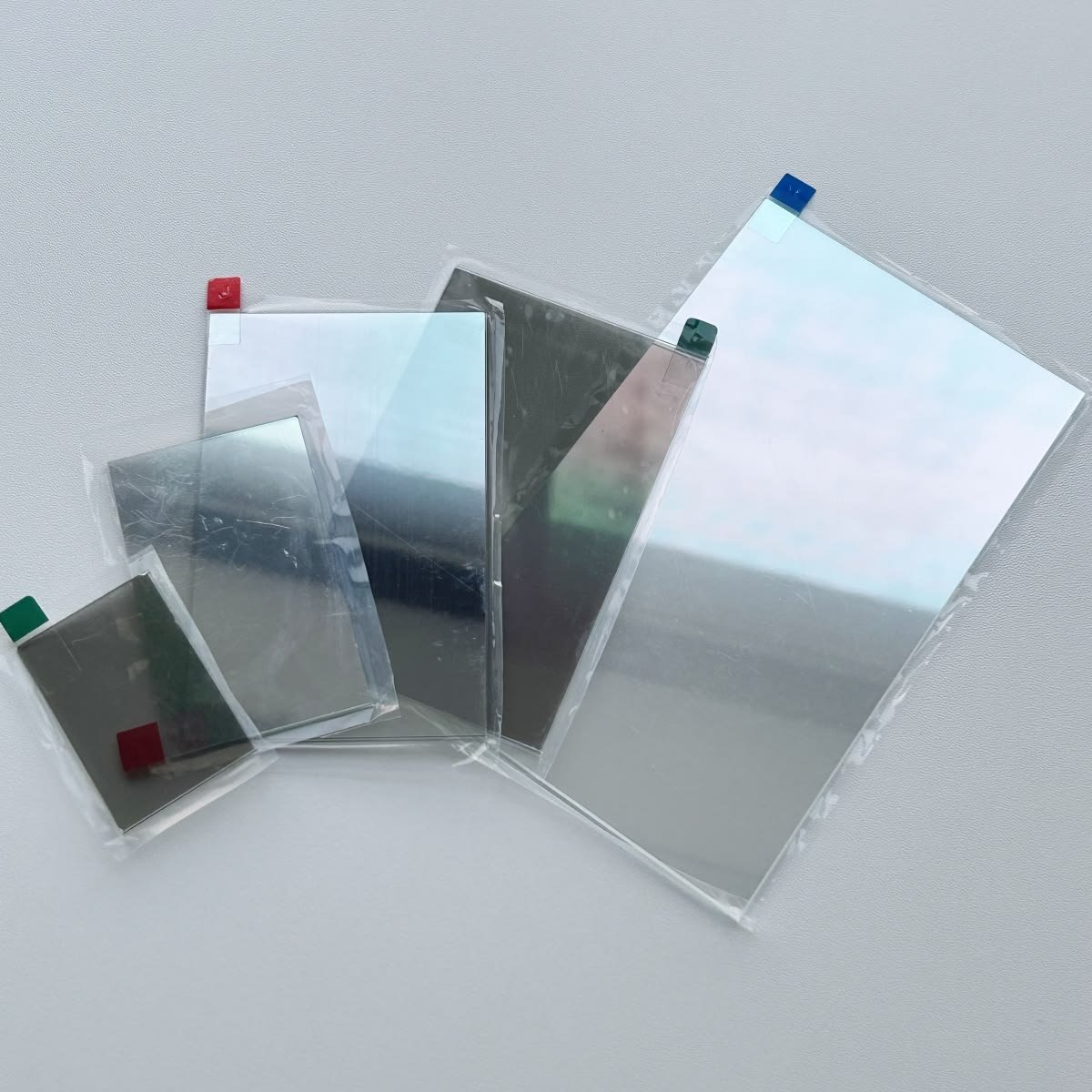
Texture Coating Company: What Defines a Reliable Partner for Advanced Phone Back Panels
Introduction
The back panel of a modern smartphone is no longer simply a protective structural component. It is one of the most visible parts of the device, influencing how users perceive its quality, appearance, texture, and overall design.
As smartphone manufacturers increasingly combine glass, metal, composite, ceramic, and engineered plastic materials with sophisticated surface finishes, coating technology has become an important part of product development. A carefully engineered coating can contribute to visual depth, tactile character, scratch resistance, wear resistance, and surface consistency.
For brands and OEM manufacturers, choosing the right texture coating company is therefore about more than finding a company that can apply a decorative film. The right coating partner should understand surface engineering, vacuum coating technology, substrate preparation, appearance control, process stability, and production requirements.
This article explores what manufacturers should look for when evaluating a texture coating company for smartphone back panels and other consumer electronic housings.
What Is a Texture Coating Company?
A texture coating company specializes in developing and applying surface finishes that give a component a particular visual and tactile appearance.
In consumer electronics, texture coating can be used to create surfaces with characteristics such as:
- Matte appearance
- Satin finishes
- Fine frosted effects
- Metallic visual effects
- Micro-textured surfaces
- Decorative color effects
- Layered visual depth
- Controlled light reflection
- Smooth or subtly tactile finishes
For smartphone back panels, the coating system may be designed not only for appearance but also for functional surface performance.
Depending on the product structure and coating design, the finished surface may need to balance several requirements simultaneously, including aesthetics, adhesion, abrasion resistance, chemical resistance, fingerprint behavior, and long-term durability.
This makes coating development a multidisciplinary process rather than a simple finishing operation.
Why Texture Has Become Important in Smartphone Design
Smartphones are highly competitive consumer products. Small differences in surface appearance can significantly influence how a device is perceived.
A plain surface may provide a clean appearance, but manufacturers increasingly use controlled textures and optical effects to differentiate products.
Texture can change how light interacts with the surface. A micro-textured or matte finish, for example, can reduce the visual harshness of direct reflections while creating a more sophisticated appearance.
The tactile response can also influence perceived quality.
When a user holds a phone, they interact directly with the back panel. Surface smoothness, friction, texture uniformity, and resistance to fingerprints can all contribute to the overall user experience.
A capable texture coating company therefore needs to understand both the visual and functional sides of surface design.
The Role of PVD and Vacuum Coating Technology
Many advanced decorative and functional coatings used in electronics rely on vacuum-based deposition technologies.
Physical vapor deposition, commonly known as PVD, can create thin and controlled coating layers on suitable substrates.
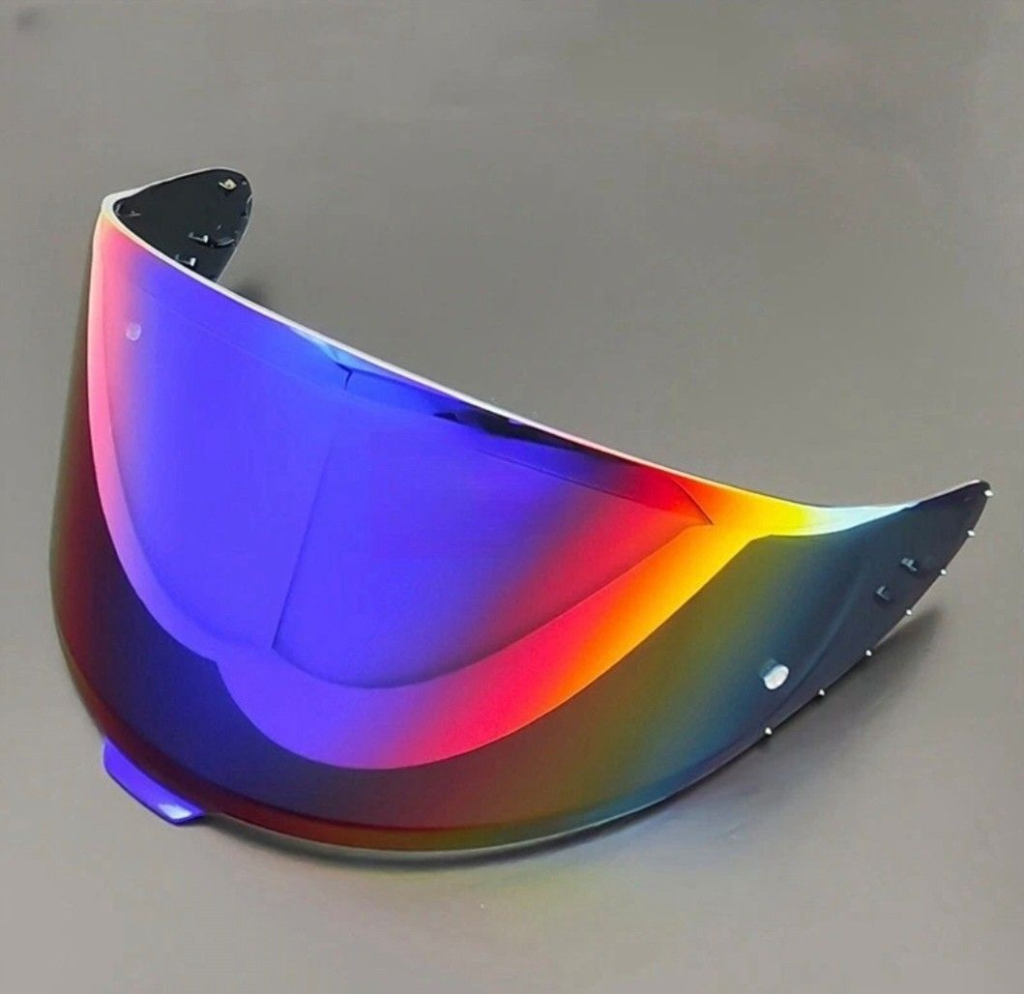
Vacuum coating processes can be used to develop different combinations of:
- Color
- Reflectivity
- Surface appearance
- Hardness
- Wear resistance
- Functional performance
- Decorative effects
The specific coating architecture depends on the substrate, desired appearance, performance requirements, and production process.
A professional coating manufacturer should therefore have more than coating equipment. It should have the process knowledge required to control the interaction between the substrate, pretreatment, deposited layers, and final surface.
For smartphone applications, this is particularly important because the visual tolerance of consumer electronics can be very demanding.
Surface Preparation Is Part of the Coating Process
One common misconception is that coating quality depends primarily on the deposition stage.
In reality, surface preparation can be equally important.
Before coating, components may require cleaning and other preparation steps to remove contaminants and create a suitable surface for subsequent processing.
Contamination, particles, residues, or inconsistent surface conditions can affect:
- Adhesion
- Appearance
- Uniformity
- Defect rates
- Durability
- Coating consistency
This is why an experienced texture coating company should have a controlled manufacturing workflow covering material inspection, cleaning, coating, inspection, packaging, and final quality control.
For high-volume consumer electronics, process consistency is particularly important because even a small variation can become significant when multiplied across thousands or millions of components.
Texture Coating Is More Than a Decorative Layer
A modern smartphone coating can have several purposes at the same time.
1. Visual differentiation
Texture can create a distinctive product identity and help manufacturers achieve a particular design language.
2. Surface feel
A carefully engineered surface can produce a specific tactile sensation when the user touches or holds the device.
3. Reflection control
Surface texture and coating structure can influence the way light is reflected, helping manufacturers achieve matte, satin, or other visual effects.
4. Surface durability
Depending on the coating system, the surface may be engineered to provide improved resistance to everyday wear and abrasion.
5. Manufacturing consistency
A controlled coating process helps reproduce the same appearance across production batches.
The best results come from considering these functions together rather than treating texture as an isolated decorative feature.
What Should Manufacturers Look for in a Texture Coating Company?
Not every coating manufacturer has the same technical capabilities. When evaluating potential partners, manufacturers should consider several areas.
Coating Equipment
Production equipment affects process stability, coating uniformity, throughput, and the range of coating structures that can be produced.
A capable company should have equipment appropriate for the substrate and coating technology required by the project.
Vacuum coating equipment can include different configurations for evaporation, sputtering, and other thin-film deposition processes.
However, equipment specifications alone do not guarantee a successful coating program.
Process Engineering
A coating company should be able to translate a product specification into a practical manufacturing process.
This may involve evaluating:
- Substrate characteristics
- Surface preparation
- Coating structure
- Deposition parameters
- Appearance requirements
- Durability requirements
- Inspection methods
- Production repeatability
This engineering capability becomes especially valuable when developing a new surface effect.
Quality Control
Appearance-based products require objective quality control.
Depending on the application, manufacturers may evaluate coating performance through tests related to:
- Abrasion
- Adhesion
- Surface contact angle
- Chemical resistance
- Environmental stability
- Color consistency
- Reflectivity
- Surface appearance
A professional coating manufacturer should establish inspection procedures throughout the production process rather than relying only on final inspection.
Why Testing Capability Matters
A coating can look excellent immediately after production but still fail during actual product use.
For example, a surface may have the correct color but insufficient durability. Another coating may have excellent hardness but fail adhesion testing.
This is why testing should be considered during coating development, not simply after mass production.
Testing equipment can help manufacturers evaluate whether a coating meets the required performance criteria.
For smartphone back panels, relevant evaluations may include abrasion testing, adhesion testing, contact-angle measurement, environmental testing, and other application-specific tests.
A coating company with internal testing capability can often identify process deviations more efficiently and provide more useful feedback during development.
Consistency Is the Real Challenge in Mass Production
Creating one attractive sample is relatively different from maintaining the same appearance throughout mass production.
A production coating company must control variables such as:
- Substrate condition
- Cleaning quality
- Chamber conditions
- Deposition parameters
- Fixture configuration
- Coating thickness
- Process sequence
- Inspection standards
Small changes in these variables can potentially influence the final appearance.
This is particularly relevant for texture coating because surface appearance can depend on how light interacts with the coating and substrate.
A reliable texture coating company should therefore focus on repeatable processes rather than treating each production batch as an independent project.
Texture Coating for Different Smartphone Back Panel Materials
Smartphone back panels can use different material systems, and coating processes need to be compatible with the underlying substrate.
Glass
Glass provides a smooth and visually attractive base for many decorative finishes. Coating systems can be designed to create matte, metallic, or other visual effects while maintaining the desired appearance.
Metal
Aluminum and stainless steel can provide a premium structural appearance. Coatings can modify the visual character of the metal while contributing additional surface properties.
Ceramic
Ceramic surfaces can provide a distinctive premium feel. The coating process needs to account for the characteristics of the ceramic substrate and its surface condition.
Engineered Plastics and Composites
Plastic and composite housings are also widely used in electronics. Their thermal and surface characteristics can differ significantly from glass or metal, so coating process design needs to reflect the material properties.
The substrate should therefore be considered at the beginning of coating development rather than after the decorative effect has already been selected.
How a Texture Coating Company Supports Product Development
A strong coating partner can become involved well before mass production.
A typical development process may include:
Step 1: Requirement Definition
The manufacturer establishes requirements for appearance, texture, durability, substrate compatibility, and production volume.
Step 2: Surface Design
The coating company evaluates possible coating structures and surface treatments that could produce the desired effect.
Step 3: Sample Development
Initial samples are produced for visual and functional evaluation.
Step 4: Testing
Samples are tested against the relevant performance requirements.
Step 5: Process Optimization
Coating parameters and preparation procedures are adjusted to improve consistency and performance.
Step 6: Production Validation
The process is evaluated under production conditions to confirm repeatability.
Step 7: Mass Production
Once the process is qualified, controlled production and inspection procedures are used to maintain consistency.
This development cycle helps bridge the gap between a design concept and a manufacturable coating solution.
Why Appearance Control Requires Technical Discipline
Texture is highly visual, but that does not mean it should be controlled subjectively.
Terms such as “premium,” “soft,” “matte,” or “metallic” can describe a design goal, but production requires measurable criteria.
Manufacturers may need to establish specifications covering:
- Color
- Gloss
- Reflectivity
- Surface uniformity
- Texture appearance
- Coating adhesion
- Abrasion resistance
- Environmental performance
A coating company that can convert visual requirements into measurable production criteria is better positioned to support stable manufacturing.
The Importance of Manufacturing Infrastructure
A professional coating operation needs more than a deposition chamber.
The broader production system can include:
- Incoming material inspection
- Cleaning systems
- Coating equipment
- Process inspection
- Testing equipment
- Packaging
- Final inspection
- Production documentation
This integrated workflow can reduce process variation and make quality management more systematic.
For OEM and consumer electronics manufacturers, production infrastructure is especially important because coating is only one stage within a larger supply chain.
Choosing Between a General Coating Vendor and a Specialized Partner
A general coating vendor may be able to provide basic decorative finishing, but advanced smartphone applications often require more specialized expertise.
A specialized texture coating company may provide stronger capabilities in areas such as:
- Thin-film coating
- Vacuum deposition
- Decorative surface engineering
- Texture development
- Process optimization
- Quality testing
- Consumer electronics applications
The right choice depends on the complexity of the product.
For a simple decorative component, basic coating capability may be sufficient. For a high-end smartphone back panel with strict appearance and durability requirements, deeper technical expertise can become much more valuable.
Working With SRNC for Texture Coating Applications
SRNC focuses on vacuum coating technology, nanocomposite materials, and advanced coating equipment, with capabilities covering R&D, manufacturing, and sales.
Its manufacturing workflow includes incoming material inspection, loading, cleaning, coating, process inspection, packaging, outgoing inspection, and shipping.
For manufacturers exploring advanced smartphone surface finishes, the Texture Coating for Cell Phone Back Panel page provides a direct overview of SRNC’s relevant coating solution.
SRNC also develops other functional coating technologies. For optical and protective requirements associated with smartphone camera components, manufacturers can explore the Functional Coating for Cell Phone Camera solution.
This broader coating capability can be useful for electronics manufacturers that require different surface technologies across multiple components.
Questions to Ask Before Selecting a Coating Company
Before starting a production program, manufacturers should ask potential coating partners practical questions.
Can the company handle the required substrate?
Different materials may require different cleaning, pretreatment, and deposition strategies.
Can it develop custom surface effects?
Standard finishes may not always match a product designer’s requirements. Development capability is important when a project requires a distinctive appearance.
What testing capabilities are available?
Ask what types of performance tests can be conducted internally and how results are documented.
How is process consistency controlled?
A company should be able to explain how it maintains stable production conditions and identifies deviations.
Can it support both development and mass production?
Moving from prototype to production can expose process problems that are not visible during small-scale sampling.
What inspection procedures are used?
Clear inspection standards help manufacturers establish objective acceptance criteria.
These questions can reveal the difference between a company that simply applies coatings and one that can act as a technical manufacturing partner.
Texture Coating and the Future of Consumer Electronics
Consumer electronics design continues to move toward more sophisticated surfaces.
Manufacturers are exploring combinations of:
- Fine textures
- Metallic effects
- Matte surfaces
- Optical effects
- Functional thin films
- Durable protective layers
- Multi-layer decorative structures
As product designs become more complex, coating technology becomes increasingly connected to industrial design and materials engineering.
The coating company of the future is therefore unlikely to be simply a finishing supplier. It will increasingly serve as a surface engineering partner capable of connecting design requirements with materials, equipment, process control, and quality management.
FAQ About Texture Coating Companies
What does a texture coating company do?
A texture coating company develops and applies coatings or surface treatments designed to create specific visual and tactile characteristics. In consumer electronics, these technologies can be used on smartphone back panels, housings, and other components.
Why is texture coating important for smartphones?
Texture coating can contribute to product differentiation, tactile experience, visual appearance, reflection control, and surface durability, depending on the coating structure and application.
Can texture coating be used on metal and plastic?
Potentially, yes. Coating processes can be designed for different substrates, but the appropriate process depends on the material’s surface condition, thermal properties, and compatibility with the coating system.
Is PVD suitable for smartphone back panels?
PVD and other vacuum deposition technologies can be used for various decorative and functional coating applications. The suitability depends on the substrate, desired coating properties, product design, and process requirements.
How do I evaluate a texture coating company?
Consider its coating technology, manufacturing equipment, process engineering capability, testing infrastructure, quality control procedures, development experience, and ability to maintain consistency during mass production.
Conclusion
A successful smartphone surface finish is the result of much more than a visually attractive coating sample. It depends on substrate preparation, coating technology, process engineering, testing, quality control, and production consistency.
For manufacturers searching for a texture coating company, the key question is not simply whether a company can produce a particular color or texture. The more important question is whether it can reliably transform a design requirement into a stable, repeatable, production-ready surface.
As smartphone back panels become increasingly sophisticated, coating technology will continue to play an important role in combining aesthetics with practical surface performance. Companies with strong vacuum coating capabilities, process control, testing infrastructure, and manufacturing experience can provide valuable support throughout the product development and production cycle.
For businesses developing next-generation consumer electronics, choosing the right coating partner early can help reduce development risk, improve surface consistency, and turn ambitious surface designs into scalable manufacturing solutions.