

Glass Protection Coating: 9 Powerful Ways to Improve Glass Durability
Glass is valued for its transparency, clean appearance, chemical stability, and wide range of applications. It is used in smartphones, displays, optical instruments, industrial equipment, automotive systems, sensors, and many other products.
But glass has an important weakness: its surface can still be damaged during handling and use.
Scratches, abrasion, fingerprints, cleaning chemicals, and environmental exposure can gradually affect the appearance and performance of a glass component. For optical or display applications, surface damage can be especially noticeable.
This is why glass protection coating technology is used to add carefully engineered surface functionality to glass.
A protective coating can improve properties such as surface hardness, scratch resistance, abrasion resistance, chemical resistance, and cleanability. When the glass is used in an optical application, the coating can also be designed to control reflection and maintain high light transmission.
The goal isn’t simply to make glass harder. It’s to create a surface that performs reliably in its intended environment.
What Is Glass Protection Coating?
Glass protection coating is a functional coating applied to a glass surface to improve its resistance to mechanical, chemical, optical, or environmental stress.
Depending on the application, the coating may provide:
- Higher surface hardness
- Improved scratch resistance
- Better abrasion resistance
- Chemical resistance
- Easy-clean performance
- Anti-smudge properties
- Anti-reflective performance
- Environmental protection
Different glass products require different coating designs.
A coating for a smartphone cover glass may have very different requirements from a coating for an industrial optical window.
The substrate, operating environment, optical requirements, and expected service life should all be considered during coating development.
Why Glass Needs Surface Protection
Glass may look solid and durable, but its surface is exposed to continuous interaction with the environment.
A glass component can encounter:
- Dust and particles
- Fingernails
- Metal objects
- Repeated wiping
- Oils and fingerprints
- Cleaning chemicals
- Moisture
- Temperature changes
Over time, these factors can change the surface.
For ordinary architectural glass, minor surface changes may not be critical. But for precision components, even small defects can affect appearance or optical performance.
Mechanical Damage
Mechanical contact is one of the most common causes of surface degradation.
Repeated rubbing can create abrasion, while harder particles or objects can produce scratches.
A hard protective coating can provide an additional surface barrier and help reduce this type of damage.
Chemical and Environmental Exposure
Glass products can also encounter chemicals, humidity, UV exposure, and temperature changes.
A properly selected protective coating can improve resistance to specific environmental conditions.
The coating should always be tested against the actual exposure expected during product use.
Key Benefits of Glass Protection Coating
A well-designed protective coating can provide several functions at once.
Higher Surface Hardness
Surface hardness is an important property when glass must withstand repeated contact.
Hard coatings create a durable outer layer that can help resist mechanical damage.
However, hardness should not be evaluated alone.
A practical coating also needs good adhesion, low defect rates, environmental stability, and appropriate optical characteristics.
Improved Scratch Resistance
Scratch resistance is particularly important for visible glass surfaces.
Smartphone cover glass, camera windows, optical components, and instrument windows can all benefit from improved resistance to surface scratching.
A suitable coating helps protect the original surface quality.
Testing may include controlled scratch tests designed around the expected use conditions.
Better Abrasion Resistance
Abrasion is caused by repeated rubbing.
For example, a glass surface may be wiped repeatedly during cleaning or exposed to continuous contact during operation.
An abrasion-resistant coating can help maintain surface appearance during these repeated interactions.
This is particularly useful for:
- Touchscreens
- Industrial displays
- Optical windows
- Camera covers
- Medical equipment
- Automotive displays
Chemical Resistance
A protective coating can also be designed to withstand specific chemicals.
Potential exposures include:
- Alcohol
- Cleaning solutions
- Oils
- Solvents
- Cosmetics
- Disinfectants
Chemical resistance should be validated using the substances and exposure times relevant to the final product.
Optical Glass Protection
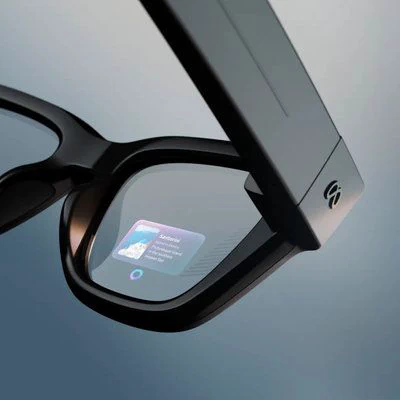
For optical glass, protection must not come at the expense of transparency.
The surface needs to remain optically clean while resisting environmental damage.
This creates a more demanding coating requirement.
A coating may need to combine:
Mechanical protection + high transmission + low reflection + optical uniformity
Light Transmission
When glass is used in a camera, sensor, or optical instrument, light transmission is critical.
The coating should introduce minimal optical loss.
Thin-film optical coatings can be engineered to control how light interacts with the glass surface.
This allows manufacturers to optimize the surface for specific wavelengths.
Reflection Control
A glass surface naturally reflects some incoming light.
For optical applications, excessive reflection can reduce transmission and contribute to unwanted stray light.
An anti-reflective coating can reduce reflection over a selected wavelength range.
Multilayer optical coatings provide additional flexibility when a broader or more precisely controlled spectral response is required.
Easy-Clean and Anti-Smudge Surfaces
Glass surfaces can easily collect fingerprints, oil, dust, and other contaminants.
A functional surface treatment can make contamination less noticeable or easier to remove.
This is especially valuable for frequently touched products.
Applications may include:
- Smartphones
- Tablets
- Control panels
- Vehicle displays
- Public terminals
- Medical interfaces
Easy-clean performance also needs to remain stable after repeated cleaning.
Glass Protection Coating Materials
There is no single coating material suitable for every glass application.
The coating system may be selected according to:
- Required hardness
- Optical performance
- Chemical environment
- Operating temperature
- Substrate type
- Production method
Hard Thin-Film Coatings
Hard thin films can provide a durable surface while maintaining a relatively small coating thickness.
This is useful when manufacturers need to improve surface protection without significantly changing the dimensions of the glass component.
Multilayer Coatings
Multilayer structures contain multiple carefully controlled layers.
Each layer can contribute to the optical or mechanical behavior of the final surface.
For optical applications, multilayer structures can be used to control reflection and transmission more precisely.
Glass and Sapphire Substrates
Conventional glass is suitable for many applications, but sapphire is attractive when extremely high surface hardness is required.
Sapphire combines transparency with exceptional hardness, making it useful for demanding protective and optical components.
A coating can then be used to add further surface functionality.
For applications involving sapphire substrates, SRNC’s Sapphire Super Hard Coating provides a relevant surface-engineering solution.
This approach combines the inherent properties of the sapphire substrate with the controlled characteristics of an engineered coating.
Glass Protection Coating Manufacturing Process
The exact production process varies according to the coating technology, but a typical process can include several stages.
1. Surface Cleaning
The glass is carefully cleaned to remove dust, oils, and organic contaminants.
2. Surface Preparation
Additional surface treatment may be used to improve coating adhesion.
3. Coating Deposition
The coating is deposited under controlled process conditions.
4. Curing or Stabilization
Depending on the coating system, additional processing may be required.
5. Optical Inspection
Transmission, haze, reflection, and appearance are evaluated when optical performance is important.
6. Mechanical Testing
Hardness, scratch resistance, abrasion resistance, and adhesion can be tested.
7. Final Inspection
The finished component is checked against customer specifications.
Testing and Quality Control
A protective coating should be evaluated as part of the complete glass component.
Important test categories include:
| Test Category | Typical Properties |
|---|---|
| Mechanical | Hardness, scratch, abrasion |
| Adhesion | Film adhesion and durability |
| Optical | Transmission, reflection, haze |
| Chemical | Solvent and cleaning-agent resistance |
| Environmental | Humidity, temperature, UV |
| Surface | Uniformity, appearance, defects |
Testing should be matched to the product’s real operating environment.
For example, a camera cover may require more detailed optical testing, while industrial glass may place greater emphasis on abrasion and chemical resistance.
Applications of Glass Protection Coating
Protective glass coatings can be used across many industries.
Cover Glass
Smartphones, tablets, automotive displays, and other electronic products use glass surfaces that require protection from daily contact.
Optical Windows
Optical windows need both mechanical durability and controlled optical performance.
Industrial Glass
Industrial equipment may expose glass surfaces to particles, chemicals, and repeated cleaning.
Camera and Sensor Covers
Camera windows and sensor covers need to remain clear while protecting sensitive optical components.
Medical Equipment
Medical displays and optical components may require resistance to repeated cleaning and disinfectants.
Glass Protection Coating for Sapphire Components
When the substrate is sapphire, surface engineering can focus on combining the material’s inherent hardness with additional coating functions.
For example, a sapphire component may require:
- High surface durability
- Controlled optical reflection
- High transmission
- Chemical resistance
- Environmental stability
SRNC’s Sapphire Super Hard Coating is designed for applications where high-performance surface protection on sapphire is required.
The coating can therefore be considered when a conventional protective glass solution doesn’t provide the required combination of substrate and surface performance.
How to Select a Glass Protection Coating
Choosing a coating should start with the final application.
1. Identify the Substrate
Determine whether the component uses standard glass, strengthened glass, sapphire, or another transparent material.
2. Define Mechanical Requirements
Specify the expected level of scratching, rubbing, and impact.
3. Define Optical Requirements
For transparent components, determine the required transmission, reflection, haze, and spectral range.
4. Consider Chemical Exposure
Identify all cleaning agents, solvents, oils, and other substances that may contact the surface.
5. Consider Environmental Conditions
Temperature, humidity, UV exposure, and other environmental factors can affect coating performance.
6. Define Service Life
The coating should be tested for the expected number of cleaning or contact cycles.
7. Test the Complete Component
The final coated glass should be tested under realistic conditions rather than evaluating the coating material alone.
Why Coating and Substrate Must Work Together
A common mistake is to evaluate the coating independently from the glass.
In practice, the substrate and coating form one functional system.
The final performance can depend on:
- Substrate hardness
- Surface roughness
- Coating adhesion
- Film thickness
- Refractive index
- Internal stress
- Thermal expansion
- Environmental conditions
A coating that works well on one substrate may not deliver the same results on another.
That’s why application-specific development is important.
Future of Protective Glass Coatings
Glass surfaces are becoming more multifunctional.
Modern products increasingly expect one surface to provide several functions simultaneously.
Future coating systems are likely to combine:
- High hardness
- Scratch resistance
- Abrasion resistance
- Anti-reflection
- Anti-fingerprint performance
- Easy cleaning
- Chemical resistance
- Environmental durability
Thin-film technology makes it possible to integrate several functions without creating a thick or visually noticeable surface layer.
The biggest challenge is maintaining the balance between these properties.
A coating must protect the glass without reducing transparency, changing the appearance, or creating other unwanted effects.
Frequently Asked Questions
What is glass protection coating?
Glass protection coating is a functional surface treatment designed to improve the durability, chemical resistance, optical performance, or cleanability of a glass surface.
Why should glass be coated?
Coating can help protect glass from scratching, abrasion, chemicals, fingerprints, and environmental exposure while adding optical or surface functions.
Can glass protection coating improve scratch resistance?
Yes. Hard protective coatings can provide an additional durable surface layer that improves resistance to certain types of scratching.
Is glass protection coating transparent?
Many coatings designed for optical or display applications are transparent and engineered to maintain high light transmission.
Can protective coating reduce glass reflection?
Yes. An anti-reflective coating can be designed to reduce surface reflection over a selected wavelength range.
Can glass coatings resist cleaning chemicals?
Some coating systems can be specifically engineered and tested for resistance to alcohol, disinfectants, solvents, and other cleaning agents.
Can sapphire be coated for additional protection?
Yes. Sapphire can receive engineered surface coatings when additional mechanical, optical, or environmental properties are required.
What is the difference between a hard coating and an anti-reflective coating?
A hard coating primarily focuses on mechanical surface protection, while an anti-reflective coating is designed to control optical reflection. Some advanced coating systems can combine both functions.
How is glass protection coating tested?
Testing can include surface hardness, scratch resistance, abrasion, adhesion, optical transmission, reflection, chemical resistance, humidity, temperature, and other application-specific tests.
Conclusion
Glass is an excellent transparent material, but demanding applications often require more than the basic properties of the substrate.
Glass protection coating provides a way to engineer the surface for specific mechanical, optical, chemical, and environmental requirements.
From scratch and abrasion resistance to reflection control and easy cleaning, the right coating can significantly improve the functional value of a glass component.
For applications using sapphire, the substrate itself provides exceptional hardness, while an engineered coating can add further surface functionality. SRNC’s Sapphire Super Hard Coating is a relevant solution for manufacturers looking for advanced surface protection on sapphire components.
Ultimately, the best coating isn’t simply the hardest one. It is the coating that achieves the right balance of durability, adhesion, optical performance, chemical resistance, and long-term stability for the intended application.