

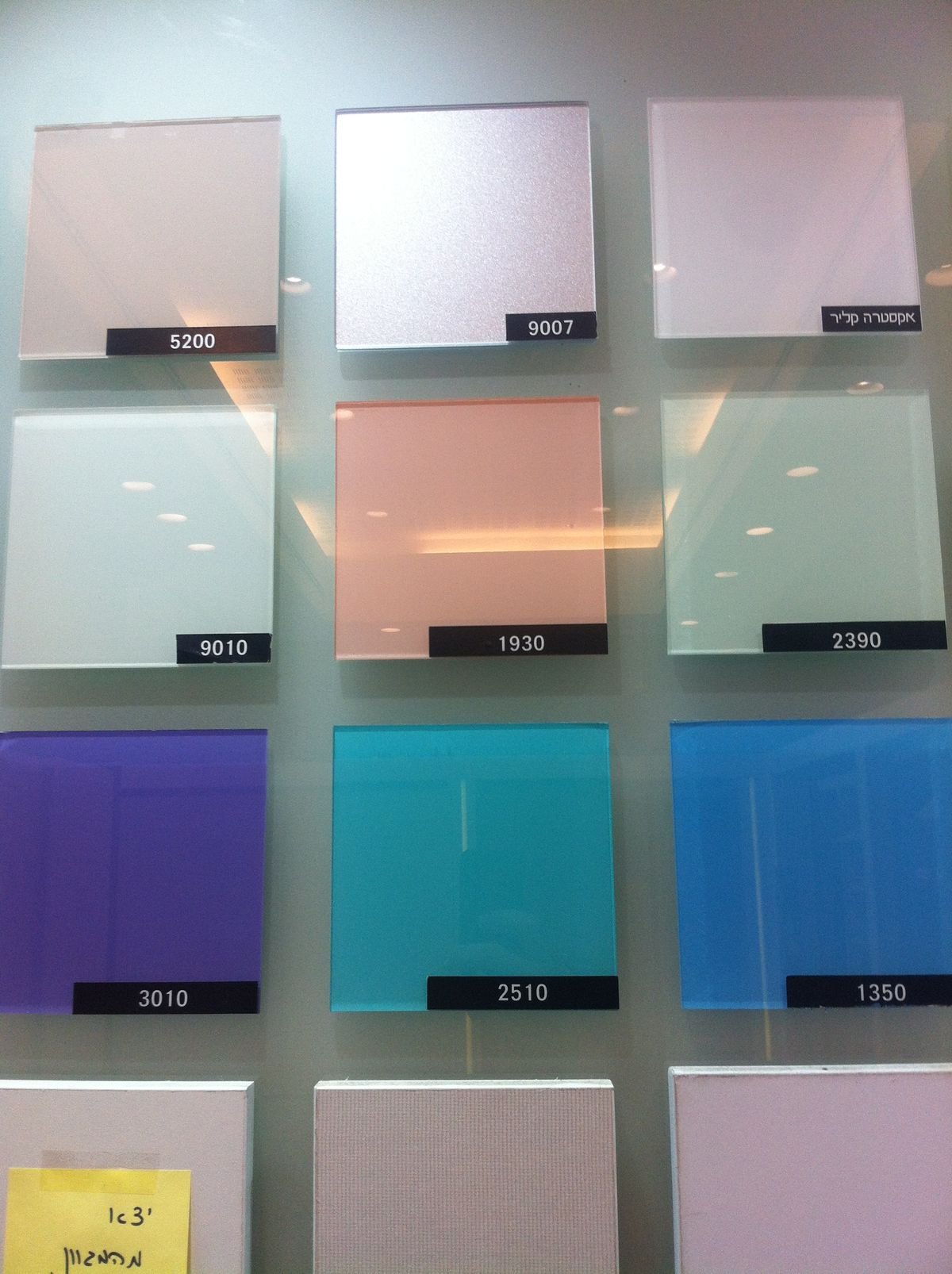
Plastic Housing Coating: 8 Powerful Ways to Upgrade Electronic Enclosures
Plastic is widely used in modern consumer electronics because it is lightweight, versatile, and suitable for complex product shapes.
From smartphone components and wearable devices to earbuds, smart home products, and portable electronics, plastic housings give manufacturers considerable freedom in product design.
But the natural surface of plastic doesn’t always provide the exact appearance or performance that a finished product needs.
A housing may require a particular gloss level, texture, tactile feel, color effect, or resistance to everyday wear.
This is where plastic housing coating becomes useful.
A properly designed coating can transform the surface of a plastic enclosure without changing the basic structure of the housing. It can create a matte appearance, fine texture, soft-touch feel, decorative effect, or additional protective performance.
For consumer electronics, this matters because the housing is not just a shell.
It’s the part that users see, touch, carry, and handle every day.
What Is Plastic Housing Coating?
Plastic housing coating is a surface treatment applied to a plastic enclosure or housing to modify its appearance, tactile characteristics, or functional performance.
Depending on the product requirements, the coating can provide:
- Matte finishes
- Fine surface textures
- Soft-touch effects
- Decorative appearances
- Improved scratch resistance
- Better wear resistance
- Chemical resistance
- Easier cleaning
The coating can be developed for different plastic substrates and product geometries.
The final result depends on the substrate, coating formulation, surface preparation, application method, curing conditions, and desired finish.
Why Plastic Housings Need Surface Coating
Plastic already offers many advantages, but its untreated surface may not meet the visual or functional expectations of a premium electronic product.
For example, a manufacturer may want a plastic housing to look:
- More refined
- Less glossy
- More metallic
- More textured
- Softer
- More premium
At the same time, the surface may need to withstand repeated contact and cleaning.
A coating provides an additional layer of control.
Instead of changing the entire plastic material, manufacturers can engineer the surface to achieve the required characteristics.
Plastic Housing Coating for Consumer Electronics
Consumer electronics place unusual demands on surface finishes.
A device may be touched thousands of times during its service life.
It can also encounter:
- Skin oils
- Sweat
- Dust
- Clothing
- Bags
- Cleaning products
- Other surfaces
The housing therefore needs to maintain its appearance under repeated use.
A functional coating can help balance appearance, tactile feel, and durability.
This is especially useful for products where industrial design is an important part of the purchasing decision.
Texture as a Product Design Feature
Surface texture can completely change the character of a plastic housing.
A smooth glossy surface creates one impression.
A fine matte texture creates another.
A soft-touch finish can make the same product feel warmer and more comfortable in the hand.
Texture can also influence how light reflects from the surface.
This gives product designers another way to differentiate an electronic device without changing its overall shape.
Matte Plastic Housing Coating
Matte finishes are popular because they reduce the strong reflections associated with glossy plastic.
A matte surface can create a more subtle appearance and may make minor surface marks less visually obvious.
Depending on the coating and texture, a matte finish can provide:
- Lower gloss
- Diffused reflection
- A refined appearance
- A smoother visual impression
- Better design flexibility
The target gloss level should be defined according to the product’s industrial design.
Soft-Touch Plastic Housing Coating
Soft-touch coatings are designed to create a distinctive tactile experience.
Instead of feeling like untreated hard plastic, the housing can feel smoother, softer, or more comfortable.
This can be valuable for products that users hold frequently, such as:
- Smartphones
- Remote controls
- Handheld electronics
- Wearable devices
- Personal accessories
However, tactile performance alone isn’t enough.
The coating must also resist wear, contamination, and repeated handling.
Fine Texture Coating for Plastic Surfaces
Fine texture coatings can create subtle surface structures without making the housing feel excessively rough.
A fine texture may provide:
- Controlled light scattering
- A refined visual effect
- More distinctive tactile feedback
- Reduced glossy appearance
The texture scale can be adjusted according to the desired product experience.
For premium electronics, subtle texture is often more suitable than a coarse surface because it provides visual interest while maintaining a polished appearance.
Plastic Housing Coating and Grip
Surface texture can influence the way a product feels in the hand.
A completely smooth plastic housing may have a relatively low-friction feel.
A carefully engineered texture can change the surface interaction between the product and the user’s fingers.
This may contribute to a more secure grip.
However, more texture isn’t necessarily better.
The surface needs to strike a balance between:
Grip + comfort + appearance + cleanability
Plastic Housing Coating and Scratch Resistance
Plastic housings can be susceptible to visible surface marks.
A scratch can make a new electronic product look worn sooner than expected.
A protective coating can be engineered to improve resistance to certain types of scratching.
This is particularly useful for products that are frequently carried or placed on surfaces.
Scratch resistance should be tested using conditions that reflect the intended use rather than relying only on general laboratory measurements.
Wear Resistance for Frequently Handled Products
Repeated handling creates friction.
A coating may initially look perfect but gradually change if its surface isn’t durable enough.
Wear resistance is therefore an important consideration for:
- Handheld devices
- Portable electronics
- Wearables
- Frequently cleaned equipment
The coating should maintain its original appearance and tactile characteristics after repeated contact.
Chemical Resistance
Electronic housings can encounter a variety of substances during everyday use.
These may include:
- Skin oils
- Sweat
- Cosmetics
- Cleaning agents
- Alcohol
- Household chemicals
A chemically resistant coating can help protect the surface from discoloration, degradation, or changes in appearance.
Testing should focus on the substances the finished product is likely to encounter.
Plastic Housing Coating and Easy Cleaning
Texture can improve appearance, but it can also create more surface area where contamination may collect.
A well-designed coating needs to consider cleanability from the beginning.
An easy-clean surface can help remove:
- Fingerprints
- Oil
- Dust
- Light stains
This is especially important for consumer electronics that are handled throughout the day.
Coating Adhesion to Plastic
One of the biggest technical challenges in plastic housing coating is achieving reliable adhesion.
Plastic surfaces can vary considerably in chemical composition and surface energy.
If the coating does not bond properly, problems may include:
- Peeling
- Flaking
- Delamination
- Localized wear
Surface preparation can therefore be critical.
The coating process needs to be compatible with the specific plastic substrate.
Surface Preparation Before Coating
Before coating, the plastic housing may need to be cleaned and treated.
A typical process can involve:
- Cleaning
- Surface inspection
- Surface activation or preparation
- Coating application
- Curing
- Texture or finishing process
- Quality inspection
The exact sequence depends on the coating technology.
Good surface preparation helps provide more consistent adhesion and appearance.
Plastic Housing Coating for Different Materials
Not all plastics behave the same way.
Electronic housings may use materials such as:
- ABS
- PC
- PC/ABS
- PMMA
- Other engineering plastics
Each material can have different surface characteristics.
The coating formulation and process therefore need to be selected according to the substrate.
A process that performs well on one plastic cannot automatically be applied to another without testing.
Plastic Housing Coating and Complex Shapes
Plastic injection molding allows manufacturers to create complex housing geometries.
This is one of plastic’s major advantages.
But complex shapes can make coating more challenging.
Corners, recessed areas, curved surfaces, and narrow features all need to receive a consistent surface treatment.
The coating process should therefore be designed around the complete housing geometry.
Decorative Plastic Housing Coating
Coatings can also be used to create decorative effects.
Manufacturers may use surface treatment to produce:
- Satin finishes
- Matte finishes
- Fine grain
- Sand-like texture
- Velvet-like texture
- Other decorative effects
This allows a plastic housing to achieve a more sophisticated appearance without replacing the underlying plastic material.
For consumer electronics, this can help create a stronger visual identity.
Plastic Housing Coating and Color
Color and surface texture interact closely.
The same color can appear different depending on whether the surface is glossy, satin, or matte.
Texture changes the way light is reflected and scattered.
As a result, coating development should consider:
Color + gloss + texture + lighting
as a combined system.
This is particularly important for products that need consistent appearance across different production batches.
Why Gloss Consistency Matters
A product may contain several housing parts that need to appear visually identical.
If one component has a slightly different gloss or texture, the difference can become noticeable under strong lighting.
Manufacturers therefore need to control:
- Coating thickness
- Surface roughness
- Gloss
- Color
- Curing conditions
Consistent process control is essential for high-volume production.
Plastic Housing Coating for Premium Product Design
Premium design doesn’t necessarily mean high gloss.
Modern electronics use many different surface styles.
A premium housing may have:
- Fine matte texture
- Soft-touch finish
- Satin surface
- Subtle decorative pattern
- Low-gloss appearance
The coating allows designers to explore these finishes without making major changes to the housing material.
Plastic Housing Coating vs. Uncoated Plastic
An untreated plastic housing has the natural properties of the substrate.
A coated housing gives manufacturers greater control over the final surface.
| Characteristic | Uncoated Plastic | Coated Plastic |
|---|---|---|
| Surface texture | Limited by material/process | More customizable |
| Gloss control | Material dependent | Can be engineered |
| Tactile feel | Natural plastic feel | Can be customized |
| Decorative effects | More limited | Wider design options |
| Surface protection | Substrate dependent | Additional functional layer |
| Product differentiation | Moderate | Greater flexibility |
The best approach depends on the design, performance requirements, and production process.
How Plastic Housing Coating Is Manufactured
A production process may include:
Substrate Preparation
The molded housing is cleaned and inspected.
Surface Treatment
The surface may receive a preparation step to improve coating compatibility.
Coating Application
The selected coating is applied with controlled thickness.
Curing
The coating is stabilized using the appropriate curing process.
Texture Development
Depending on the technology, texture can be created through the coating itself or through an additional surface process.
Inspection
The finished housing is evaluated for appearance, adhesion, texture, and durability.
Testing Plastic Housing Coating
A coating should be tested against the actual product requirements.
Common evaluations include:
- Scratch resistance
- Abrasion resistance
- Adhesion
- Chemical resistance
- Cleaning durability
- Gloss
- Color
- Texture
- Surface uniformity
- Environmental stability
The most important tests depend on how the final product will be used.
Eight Benefits of Plastic Housing Coating
A well-designed plastic housing coating can provide:
- More premium surface appearance
- Greater texture design freedom
- Customized tactile feel
- Improved scratch resistance
- Better wear resistance
- Improved chemical durability
- More consistent matte or gloss effects
- Greater freedom for consumer electronics design
These benefits depend on the coating formulation, substrate, application process, and required performance.
How to Select a Plastic Housing Coating
Manufacturers should start by defining the finished surface they want.
Appearance
Determine color, gloss, texture, and visual effect.
Tactile Feel
Decide whether the surface should feel smooth, soft, silky, or textured.
Durability
Set requirements for scratching, abrasion, cleaning, and chemical exposure.
Substrate
Identify the exact plastic material.
Geometry
Consider whether the housing contains curves, corners, recesses, or other complex features.
Production Volume
The coating process should provide stable and repeatable results at the required manufacturing scale.
The Role of Surface Coating in Consumer Electronics
Today’s electronic products compete not only on technical specifications but also on user experience.
The surface is one of the first things a customer sees and one of the first things they touch.
A well-designed coating can therefore influence the product experience before the user even turns the device on.
That’s why surface coating has become an important part of modern industrial design.
Future Trends in Plastic Housing Coating
Surface treatment for electronic housings is moving toward multifunctional finishes.
Future coatings may combine:
- Fine texture
- Matte appearance
- Soft-touch feel
- Anti-smudge performance
- Easy cleaning
- Scratch resistance
- Wear resistance
- Chemical resistance
At the same time, manufacturers will continue to demand thinner coatings, faster production, better uniformity, and lower process variation.
The challenge is to create a surface that looks distinctive while remaining practical for mass production.
Fequently Asked Questions
What is plastic housing coating?
Plastic housing coating is a surface treatment applied to plastic electronic enclosures to improve their appearance, texture, tactile feel, durability, or other functional properties.
Why coat a plastic electronic housing?
Coating gives manufacturers greater control over gloss, texture, color appearance, tactile properties, scratch resistance, and surface durability.
Can plastic housing coating create a matte finish?
Yes. Matte coatings can reduce surface gloss and create a softer, more refined appearance.
Can plastic housing coating provide a soft-touch feel?
Yes. Specialized soft-touch coatings can change the tactile sensation of plastic and make frequently handled products feel more comfortable.
Does plastic housing coating improve scratch resistance?
A suitable coating can improve resistance to certain types of scratches and surface wear. Actual performance depends on the coating and plastic substrate.
Can coated plastic resist chemicals?
Yes. Coatings can be formulated for resistance to selected chemicals such as oils, sweat, cleaning agents, and other substances relevant to the application.
How important is coating adhesion on plastic?
It’s critical. Without reliable adhesion, the coating may peel, flake, or wear prematurely.
Can plastic housing coating be used on complex shapes?
Yes, but the coating process must be designed to provide consistent coverage across curved, recessed, and other complex areas.
How is plastic housing coating tested?
Testing can include scratch, abrasion, adhesion, chemical resistance, cleaning, gloss, texture, color, and environmental durability evaluations.
Conclusion
Plastic gives consumer electronics manufacturers enormous freedom in shape and structure, but the raw material doesn’t always provide the exact surface experience a finished product needs.
Plastic housing coating bridges that gap.
Through carefully engineered surface treatment, manufacturers can create matte finishes, fine textures, soft-touch surfaces, decorative effects, and more durable protective surfaces while retaining the lightweight and versatile nature of the plastic housing.
For electronics where appearance and tactile experience matter, coating should be considered part of the product design from the beginning—not simply as a final finishing step.
SRNC’s Texture Coating for Cell Phone Back Panel demonstrates how surface coating technology can be used to develop controlled texture and functional finishes for demanding consumer-electronics applications.
The right coating doesn’t just make a plastic housing look better. It can change how the product feels, how it ages, and how users experience it every day.