

Glass Back Panel Coating: 7 Smart Ways to Enhance Smartphone Design
The back panel has become one of the most recognizable design elements of a modern smartphone.
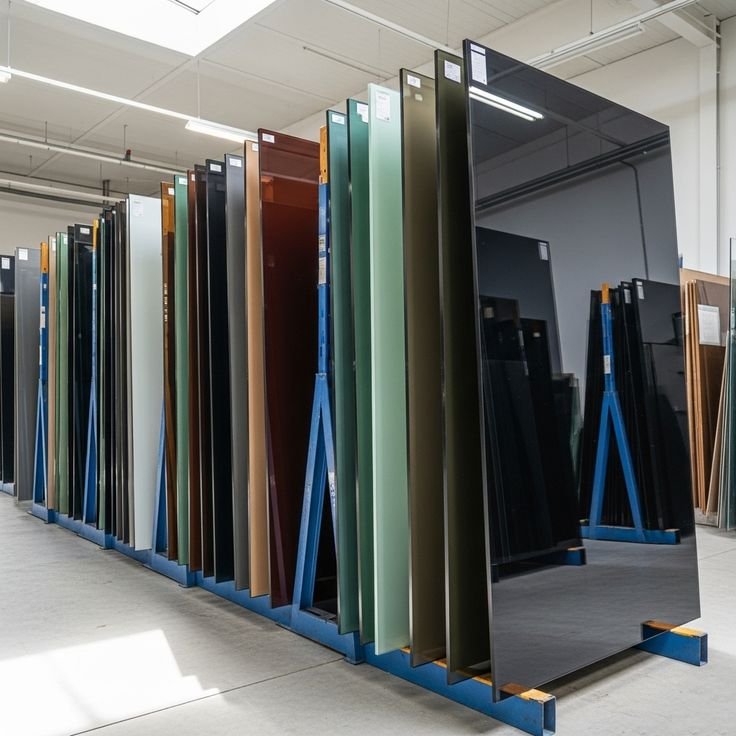
As phones become thinner and more premium, manufacturers increasingly use glass for the rear panel. Glass provides a smooth, refined appearance and gives designers a flexible surface for creating colors, patterns, reflections, and visual depth.
But plain glass has its limits.
Manufacturers often need the back panel to deliver a very specific combination of appearance, texture, touch feel, durability, and visual consistency.
This is where glass back panel coating technology becomes valuable.
A properly engineered coating can change the way a glass surface looks and feels without changing the basic structure of the panel. It can create matte effects, fine textures, soft-touch surfaces, decorative finishes, or other carefully controlled visual effects.
For smartphone manufacturers, the coating is therefore more than a decorative layer.
It becomes an important part of the product’s industrial design.
What Is Glass Back Panel Coating?
Glass back panel coating is a surface treatment applied to the rear glass of a smartphone or other electronic device to modify its appearance, texture, tactile properties, or surface performance.
Depending on the required design, a coating system may create:
- Matte finishes
- Fine surface textures
- Sand-like effects
- Soft-touch surfaces
- Velvet-like tactile effects
- Decorative patterns
- Low-gloss appearances
- Premium visual depth
The coating can also be engineered to provide additional functional characteristics such as improved wear resistance, chemical resistance, or easier cleaning.
The exact structure depends on the desired surface effect and the glass substrate.
Why Smartphone Glass Back Panels Need Coatings
Glass already has a premium appearance.
However, modern smartphone design demands more than a smooth transparent surface.
Manufacturers want to differentiate products through:
- Texture
- Color
- Gloss level
- Light reflection
- Surface feel
- Visual depth
A coating provides another design variable.
Instead of relying only on the natural appearance of glass, manufacturers can engineer the surface to create a particular visual and tactile experience.
This gives designers more freedom while maintaining the advantages of a glass back panel.
Glass Back Panel Coating for Premium Smartphone Design
Consumers don’t experience a smartphone only through its screen.
They also notice how the phone looks and feels when they hold it.
The rear panel contributes significantly to this experience.
A carefully developed coating can make a phone feel:
- Smoother
- Softer
- More refined
- Less glossy
- More distinctive
- More comfortable to hold
Different textures can create very different impressions even when they are applied to the same glass substrate.
This makes surface engineering an important part of product differentiation.
Texture Coating for Cell Phone Back Panel
SRNC’s Texture Coating for Cell Phone Back Panel focuses on surface treatment technology for smartphone rear panels.
The coating can be developed around specific design requirements such as:
- Surface texture
- Matte appearance
- Tactile feel
- Decorative effects
- Surface durability
- Visual uniformity
The goal is to create a controlled surface rather than simply apply a generic decorative coating.
This allows the coating system to become part of the smartphone’s overall industrial design.
Matte Glass Back Panel Coating
Matte surfaces are popular because they provide a softer visual appearance than highly glossy glass.
A matte coating can reduce the mirror-like appearance of the surface and create a more understated finish.
This can produce several design effects:
- Lower visual glare
- Softer light reflection
- More subtle appearance
- Less emphasis on surface imperfections
- A refined premium look
The final appearance depends on the coating structure, surface texture, gloss level, and lighting conditions.
Fine Texture and Surface Appearance
Not every textured surface needs to be visibly rough.
Modern smartphone designs often use very fine textures that are noticeable mainly through touch and light reflection.
Fine surface structures can influence how light scatters across the back panel.
This can create:
- Soft reflections
- Diffused highlights
- Subtle visual depth
- Uniform matte effects
The texture therefore affects both the visual appearance and tactile experience.
Soft-Touch Glass Back Panel Coating
Touch feel is increasingly important in consumer electronics.
A soft-touch coating can create a smoother, warmer, or more comfortable tactile sensation compared with untreated glass.
This can be useful for smartphones that aim to provide a premium hand feel.
The surface can be engineered to balance:
Soft feel + durability + appearance + cleanability
Achieving that balance is important because a coating that feels good but wears quickly may not provide a satisfactory long-term user experience.
Glass Back Panel Coating and Anti-Fingerprint Performance
The rear surface of a smartphone is frequently touched.
Oils from the skin can leave visible marks on smooth, glossy glass.
A textured or matte coating can change the way these marks appear.
Depending on the coating formulation and surface structure, it may also be possible to develop additional anti-smudge or easy-clean characteristics.
This can help the rear panel maintain a cleaner appearance during everyday use.
Glass Back Panel Coating and Anti-Slip Feel
A completely smooth surface can sometimes feel slippery.
Surface texture can alter the friction characteristics of the glass.
A carefully engineered texture may provide a more secure tactile feel when the phone is held.
However, texture needs to be controlled carefully.
A surface that is too rough may feel uncomfortable, while a surface that is too smooth may not provide the desired tactile effect.
The ideal texture depends on the product design and user expectations.
Decorative Effects Through Surface Coating
Coating technology can create more than a simple matte finish.
Manufacturers can explore different decorative effects, including:
- Fine grain
- Sand texture
- Velvet texture
- Micro-texture
- Subtle directional patterns
- Low-gloss decorative finishes
These effects can make a smartphone visually different without requiring major changes to the underlying glass.
This is particularly useful when a product family needs several visual variants.
How Texture Changes Light Reflection
Surface texture changes the way light interacts with the back panel.
A highly smooth surface tends to produce more directional reflection.
A textured surface can scatter light in different directions.
This changes the visual appearance of the panel.
Depending on the texture scale and coating design, manufacturers can create anything from a subtle satin finish to a more visible textured appearance.
This gives product designers considerable freedom.
Micro-Texture Coating
Micro-texture technology uses very small surface structures to modify the optical and tactile behavior of the glass.
Because the texture can be extremely fine, the finished panel can maintain a relatively smooth appearance while still producing a distinct tactile response.
Micro-textures can be useful when the manufacturer wants:
- Controlled light scattering
- Subtle visual effects
- Fine tactile feedback
- A premium surface finish
The exact result depends on texture dimensions and coating process control.
Laser Texture and Glass Back Panels
Laser processing can be used as part of a surface-texturing process to create controlled patterns or microstructures.
A laser-based approach can provide precise control over selected areas.
Depending on the production design, laser texturing can support:
- Fine patterns
- Decorative effects
- Localized textures
- Customized surface structures
The coating and texturing process can be combined when both visual and protective properties are required.
Glass Back Panel Coating and Surface Uniformity
Premium smartphone surfaces need to look consistent.
A small difference in texture or coating thickness can create visible variation under certain lighting conditions.
Manufacturers therefore need to control:
- Coating thickness
- Surface texture
- Gloss level
- Color consistency
- Process uniformity
Uniformity becomes particularly important when multiple panels are assembled into the same product series.
Why Coating Adhesion Matters
The coating must remain attached to the glass during everyday use.
Poor adhesion can eventually cause:
- Peeling
- Surface defects
- Appearance changes
- Localized wear
The coating process should therefore be compatible with the glass substrate and the expected environmental conditions.
Surface preparation is also important because contamination can weaken the coating-substrate interface.
Glass Back Panel Coating and Scratch Resistance
Although the primary purpose of a texture coating may be decorative, the rear panel still needs to withstand everyday handling.
The phone may come into contact with:
- Tables
- Bags
- Clothing
- Dust
- Other devices
- Cleaning materials
A suitable coating can be engineered for improved surface durability.
Scratch resistance is especially important for premium finishes because visible damage can quickly affect the perceived quality of the product.
Wear Resistance of Textured Surfaces
Texture changes the surface structure, but the coating still needs to survive repeated handling.
The surface may experience thousands of contact events throughout the product’s life.
Wear testing can help determine whether the original texture and appearance remain stable.
Important factors include:
- Repeated rubbing
- Cleaning
- Finger contact
- Friction
- Environmental exposure
A durable texture coating should maintain its intended appearance rather than gradually becoming smoother or uneven.
Chemical Resistance
Smartphone rear panels can come into contact with sweat, oils, cosmetics, cleaning products, and other substances.
Chemical resistance helps maintain the coating’s appearance and physical integrity.
Depending on the intended application, testing may include exposure to:
- Skin oils
- Sweat
- Alcohol
- Cleaning agents
- Cosmetics
- Other household chemicals
The exact testing conditions should reflect realistic use.
Easy-Clean Surface Design
A textured surface shouldn’t become difficult to maintain.
If dust or oil becomes trapped in the texture, the panel may lose its visual appeal.
For this reason, texture design needs to consider both surface appearance and cleanability.
A well-designed coating can balance:
Texture + tactile feel + contamination resistance + easy cleaning
This is particularly useful for smartphones that are handled throughout the day.
Glass Back Panel Coating Process
The manufacturing process depends on the coating technology and desired finish.
A simplified process may involve:
- Glass substrate preparation
- Cleaning
- Surface treatment
- Coating deposition or application
- Texture formation
- Curing or stabilization
- Surface inspection
- Durability testing
Different products may use different combinations of coating and texturing technologies.
The important point is that each stage can influence the final surface quality.
How Coating Thickness Affects Texture
Coating thickness can influence the final appearance and tactile properties.
Too little coating may fail to produce the intended surface effect.
Too much coating can alter the texture or appearance.
This is why coating thickness needs to be controlled consistently during production.
For high-volume smartphone manufacturing, repeatability is particularly important.
Choosing the Right Texture
The ideal texture depends on the product’s positioning.
For a Luxury Smartphone
A very fine texture with subtle light scattering may provide a refined appearance.
For a Youth-Oriented Design
A stronger decorative texture may create more visual impact.
For a Practical Device
A durable matte surface with good grip and easy cleaning may be more appropriate.
For a Minimalist Product
A low-gloss micro-texture can provide visual interest without becoming too decorative.
The coating should therefore be selected together with the overall product design.
Glass Back Panel Coating vs. Bare Glass
Bare glass provides a clean and naturally smooth appearance.
However, it offers less freedom for controlling tactile and decorative effects.
A coating can add:
| Property | Bare Glass | Coated Glass |
|---|---|---|
| Surface texture | Limited | Highly customizable |
| Matte effect | Limited | Easily engineered |
| Tactile feel | Natural glass feel | Can be customized |
| Decorative effects | Mainly substrate-based | Wider design options |
| Surface functionality | Limited | Can be engineered |
| Texture uniformity | Dependent on glass | Process-controlled |
The right choice depends on the desired product performance and appearance.
How Glass Back Panel Coating Is Tested
A complete evaluation should cover both appearance and durability.
Appearance Testing
Check color, gloss, texture, and visual uniformity.
Tactile Evaluation
Assess how the surface feels when touched and handled.
Scratch Testing
Evaluate resistance to surface damage.
Abrasion Testing
Test repeated rubbing and wear.
Chemical Resistance
Evaluate exposure to relevant chemicals.
Cleaning Tests
Determine whether the surface maintains its appearance after repeated wiping.
Adhesion Testing
Check whether the coating remains securely attached to the glass.
Seven Key Benefits of Glass Back Panel Coating
A properly engineered coating can provide:
- More distinctive smartphone aesthetics
- Controlled matte and gloss effects
- Customized surface texture
- Improved tactile experience
- Better surface durability
- Potential anti-smudge and easy-clean performance
- Greater freedom in product differentiation
The exact performance depends on the coating system, substrate, texture design, and manufacturing process.
How to Select a Glass Back Panel Coating
Manufacturers should begin with the desired finished surface rather than choosing a coating material first.
Consider:
1. Visual Appearance
Define the required gloss, color, reflection, and texture.
2. Tactile Experience
Determine whether the surface should feel smooth, soft, silky, or slightly textured.
3. Texture Scale
Decide whether a micro-texture, fine texture, or stronger decorative texture is required.
4. Durability
Define scratch, abrasion, and chemical resistance targets.
5. Cleaning Requirements
Consider how the finished phone will be cleaned during normal use.
6. Production Process
Make sure the coating can achieve consistent results at the required production volume.
The Importance of Texture Coating in Smartphone Design
Smartphone design has moved beyond simple color selection.
Today’s products use surface engineering to create a more complete sensory experience.
A phone can have the same basic glass substrate as another model but feel completely different because of its surface treatment.
The coating can influence:
- What the user sees
- What the user feels
- How light moves across the surface
- How the phone looks under different lighting
- How the surface ages
This makes coating technology a valuable tool for industrial designers and manufacturers.
Future Trends in Glass Back Panel Coating
Future smartphone surfaces are likely to become increasingly sophisticated.
Manufacturers may combine:
- Micro-textures
- Matte finishes
- Soft-touch effects
- Decorative patterns
- Anti-fingerprint properties
- Easy-clean surfaces
- Scratch resistance
- Chemical resistance
The challenge is to combine these properties without making the coating too thick or reducing production efficiency.
As smartphone designs become more distinctive, surface coating will continue to play an important role in creating premium visual and tactile experiences.
Frequently Asked Questions
What is glass back panel coating?
Glass back panel coating is a surface treatment applied to smartphone rear glass to modify its appearance, texture, tactile feel, or durability.
Why coat a smartphone glass back panel?
Coating gives manufacturers greater control over surface texture, gloss, visual effects, touch feel, and functional properties than untreated glass alone.
Can glass back panel coating create a matte finish?
Yes. Matte coating technology can reduce the glossy appearance of glass and create a softer, more diffused surface reflection.
Can a coating make glass feel softer?
Yes. Soft-touch and similar coating systems can change the tactile sensation of the glass surface.
Can glass back panel coating be anti-fingerprint?
A coating can be designed to reduce the visibility of fingerprints or make oils and contaminants easier to remove. The actual performance depends on the surface formulation and texture.
Can textured coating improve grip?
A controlled surface texture can alter friction and provide a more secure tactile feel. The texture must be carefully optimized to avoid becoming uncomfortable or overly rough.
Is textured coating scratch resistant?
Texture coatings can be engineered for improved scratch and abrasion resistance. Actual performance should be verified using application-specific testing.
Can laser technology be used to create glass back panel texture?
Yes. Laser texturing can be used to create controlled microstructures or decorative patterns, depending on the desired design and production process.
How do manufacturers test glass back panel coatings?
Testing can include appearance, gloss, texture, adhesion, scratch resistance, abrasion, chemical resistance, cleaning durability, and environmental stability.
Conclusion
The rear glass of a smartphone is no longer just a protective structural component.
It is part of the product’s identity.
Through glass back panel coating, manufacturers can transform a standard glass substrate into a carefully engineered surface with a specific texture, appearance, tactile feel, and durability profile.
Whether the goal is a subtle matte finish, a fine micro-texture, a soft-touch surface, or a distinctive decorative effect, coating technology gives designers greater control over the final user experience.
SRNC’s Texture Coating for Cell Phone Back Panel focuses on this combination of surface aesthetics and functional performance.
The most successful coating isn’t necessarily the most complicated one. It’s the one that delivers the right texture, right appearance, right feel, and right durability for the finished smartphone.