

Surface Functional Layer for Advanced Coating Applications
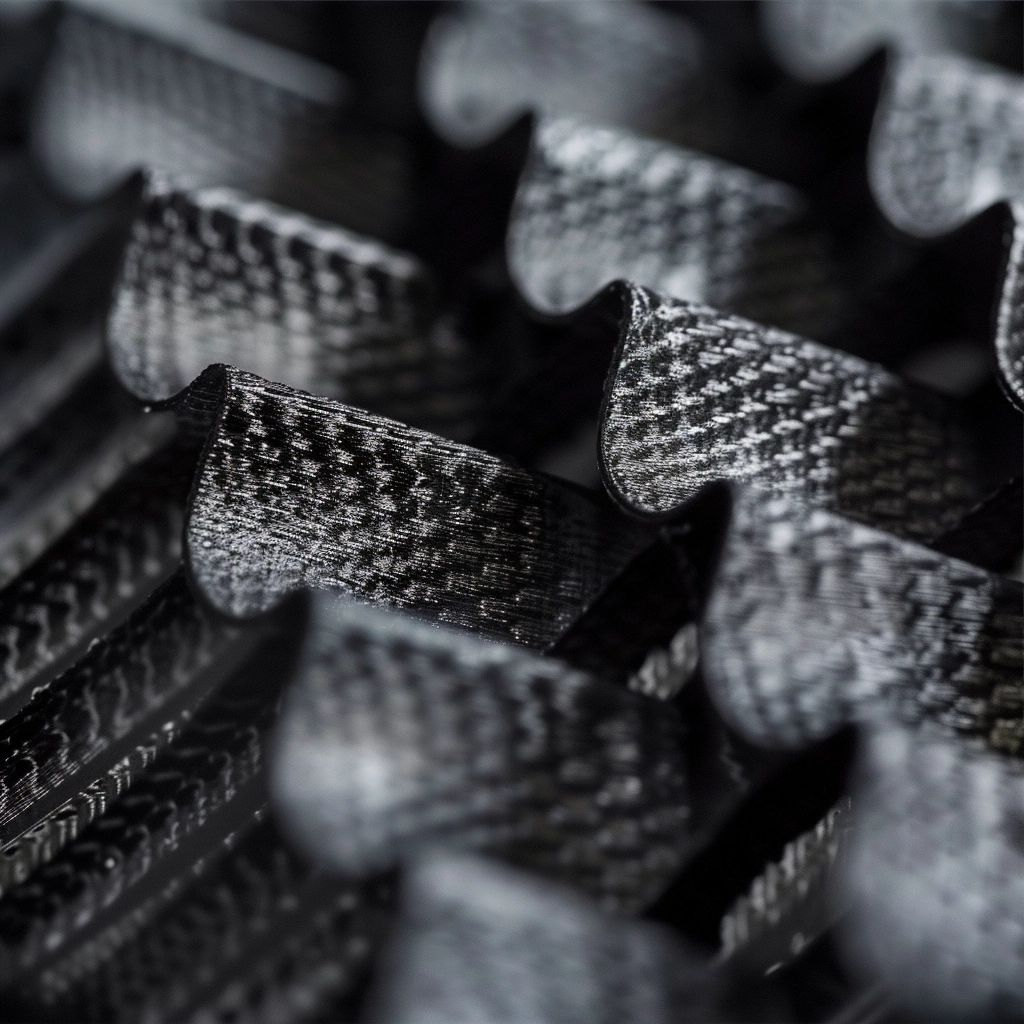
Modern components often require more than a durable base material. The surface may need to provide specific properties such as optical control, wear resistance, chemical stability, electrical insulation, or improved interaction with the surrounding environment.
A Surface Functional Layer provides a practical way to add these properties without changing the main structure of the underlying component. Through carefully selected materials and controlled deposition processes, manufacturers can engineer surface characteristics for different application requirements.
What Is a Surface Functional Layer?
A Surface Functional Layer is a thin material layer applied to a substrate to give its surface a specific performance characteristic.
Unlike a conventional protective coating that mainly focuses on preventing damage, a functional layer is designed around the behavior required from the finished surface.
Depending on the application, a functional surface layer may provide:
- Optical performance
- Wear resistance
- Surface hardness
- Chemical resistance
- Thermal stability
- Electrical insulation
- Controlled surface interaction
The layer may be composed of a single material or a multilayer structure. Its thickness can range from very thin nanoscale films to thicker functional coatings, depending on the deposition method and application.
How Does a Surface Functional Layer Work?
The performance of a functional layer comes from the properties of the deposited material and its interaction with the substrate.
For example, a hard ceramic layer can improve resistance to wear, while a dielectric optical layer can modify reflection and transmission at a surface.
In multilayer structures, different materials can be combined to achieve several properties at the same time. The layer sequence, thickness, composition, and interface between materials all influence the final performance.
This makes surface engineering more than simply applying a coating. The coating structure needs to be matched to the working conditions of the component.
Materials Used for Surface Functional Layers
Different materials are selected according to the intended surface function.
Oxide Materials
Oxide materials such as silicon dioxide and aluminum oxide can provide chemical stability, insulation, and optical characteristics.
They are commonly considered for optical components, electronic surfaces, and protective applications.
Nitride Materials
Materials such as titanium nitride and silicon nitride are known for their hardness and resistance to demanding environments.
They can be used where surface durability and mechanical performance are important.
Carbide Materials
Carbide-based coatings can provide high hardness and wear resistance. They are often considered for applications involving friction, mechanical contact, or abrasive conditions.
Dielectric Materials
Dielectric materials are particularly useful for optical applications where refractive index, transmission, and reflection need to be controlled.
Material selection ultimately depends on the substrate, operating environment, and required surface properties.
Surface Functional Layer Deposition Process
The deposition process depends on the material and the required performance.
Surface Preparation
Before coating, the substrate needs to be properly prepared. Cleaning removes contaminants that could interfere with adhesion or coating uniformity.
Depending on the substrate, surface preparation may include:
- Cleaning
- Degreasing
- Plasma treatment
- Surface activation
- Ion cleaning
A clean and suitable surface provides a better foundation for the functional layer.
Thin Film Deposition
The selected material is then deposited onto the substrate.
Common technologies include:
- Physical Vapor Deposition (PVD)
- Magnetron sputtering
- Electron beam evaporation
- Vacuum deposition
For precision applications, process parameters such as deposition rate, pressure, substrate temperature, and film thickness need to be carefully controlled.
Surface Performance Testing
After deposition, the coating may be evaluated according to its intended function.
Testing can include:
- Hardness
- Adhesion
- Wear resistance
- Optical transmission
- Reflection
- Surface uniformity
- Chemical resistance
The appropriate testing method depends on the purpose of the functional layer.
Applications of Surface Functional Layers
Optical Components
Optical components often require surfaces with controlled reflection and transmission.
Functional thin films can be designed for:
- Lenses
- Optical windows
- Filters
- Laser components
- Sensor surfaces
In these applications, the coating structure can be optimized for a particular wavelength range or optical response.
Cutting Tools and Precision Components
Cutting tools experience friction, heat, and mechanical stress during machining.
Hard functional layers can improve surface durability and wear resistance, helping the tool maintain its performance under demanding conditions.
Electronic Components
Electronic surfaces may require electrical insulation, environmental protection, or controlled surface properties.
Functional coating materials can provide these characteristics while maintaining the dimensional properties of the underlying component.
Industrial Parts
Industrial components may operate under conditions involving friction, corrosion, temperature changes, or repeated mechanical contact.
A suitable functional layer can improve surface durability and help extend component service life.
Surface Functional Layer and Vacuum Coating
Vacuum coating technology is widely used when manufacturers require precise and consistent thin film structures.
A controlled vacuum environment helps reduce contamination during deposition and allows better control of film thickness and coating uniformity.
SRNC provides vacuum coating technology for optical components, precision parts, and advanced surface engineering applications.
SRNC Vacuum Coating Technology
For optical coating applications and related thin film technologies:
SRNC Optical Coating Solutions
Factors Affecting Surface Functional Layer Performance
The performance of a functional layer depends on several factors.
Material Selection
The coating material needs to match the required surface properties. A material suitable for optical transmission may not be appropriate for high-wear applications.
Film Thickness
Thickness affects both the physical and functional characteristics of the coating. Optical films may require precise thickness control, while protective coatings may prioritize mechanical performance.
Adhesion
Strong adhesion between the coating and substrate is essential for long-term reliability, particularly when the component experiences mechanical stress or temperature changes.
Substrate Compatibility
The substrate material, surface condition, and thermal properties can all influence the final coating performance.
Deposition Conditions
Pressure, temperature, deposition rate, and surface preparation can affect film structure, uniformity, and adhesion.
Surface Functional Layer vs. Protective Coating
A protective coating and a functional layer can overlap, but they are not necessarily the same.
A protective coating is generally designed to shield the substrate from damage such as wear, corrosion, or environmental exposure.
A functional layer has a broader purpose. It can be designed to modify a specific surface property, including optical, electrical, thermal, mechanical, or chemical behavior.
In some applications, one coating can perform both functions.
Conclusion
A Surface Functional Layer provides manufacturers with a flexible method for modifying surface properties without changing the core material of a component.
Through appropriate material selection, surface preparation, and controlled deposition, functional layers can be developed for optical components, cutting tools, electronic products, precision parts, and other advanced manufacturing applications.
As surface requirements become more specialized, functional coating technology will continue to play an important role in modern surface engineering.