

Optical Glass Coating: Improving Performance and Durability of Advanced Optical Components
Optical glass plays a critical role in modern technologies, from smartphone cameras and imaging systems to precision optical devices. As optical components become smaller, thinner, and more sophisticated, maintaining high transparency, durability, and optical accuracy has become increasingly important.
However, untreated optical glass surfaces can experience reflection losses, scratches, contamination, and wear during long-term use. These challenges can affect light transmission, image quality, and overall system performance.
Optical glass coating provides an advanced solution by applying precisely engineered thin-film layers onto glass surfaces. These coatings enhance optical performance, improve surface durability, and provide additional functional benefits while maintaining the transparency and precision required for demanding applications.
For smartphone camera modules and high-end optical systems, optical glass coating technology has become an essential part of modern surface engineering.
Why Optical Glass Requires Advanced Coating Technology
Optical glass is designed to transmit and control light with high precision. Even small surface imperfections or reflection losses can influence optical performance.
Common challenges include:
- Unwanted surface reflection
- Reduced light transmission
- Surface scratches
- Environmental exposure
- Optical performance degradation
In smartphone cameras, where image quality depends on efficient light management, protecting optical glass surfaces is especially important.
Advanced coating technologies help optimize the interaction between light and glass while improving mechanical durability.
What Is Optical Glass Coating?
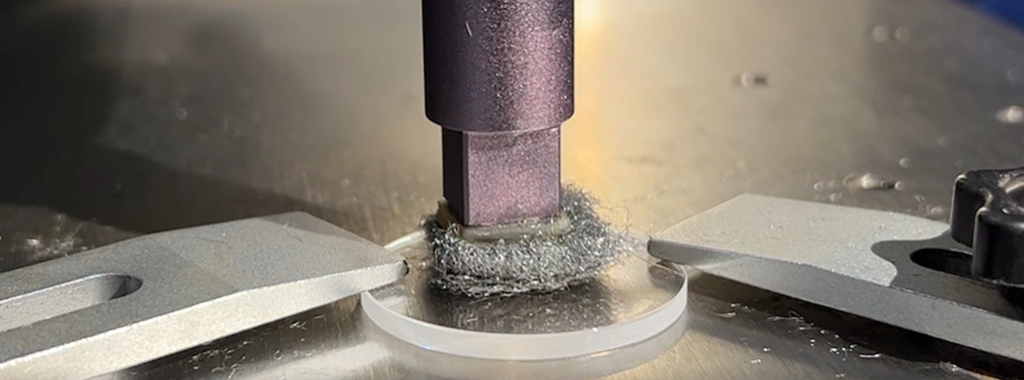
Optical glass coating is a specialized thin-film coating technology designed to enhance the optical and physical properties of glass components.
Through precision deposition processes, multiple microscopic layers are applied to optical glass surfaces. These layers are engineered according to specific requirements, such as reflection control, hardness improvement, or surface protection.
Optical glass coatings can provide:
- Improved light transmission
- Reduced reflection
- Enhanced scratch resistance
- Better surface durability
- Stable optical performance
Unlike conventional surface treatments, optical coatings require precise control of material selection, layer thickness, and coating structure.
How Optical Glass Coating Improves Optical Performance
Light passing through optical glass interacts with the surface of the material. Without proper coating, some light may be reflected instead of transmitted.
Advanced optical glass coating helps improve:
| Coating Function | Optical Benefit |
|---|---|
| Reflection Reduction | Less glare and optical loss |
| High Transmission | More light reaches the sensor |
| Surface Protection | Improved durability |
| Uniform Thin Film | Stable optical performance |
| Hard Protective Layer | Better scratch resistance |
These improvements are particularly valuable for compact optical systems such as smartphone cameras.
Applications of Optical Glass Coating
Smartphone Camera Cover Glass
Modern smartphone cameras require optical components that combine transparency and durability. Optical glass coatings help protect camera cover glass while maintaining imaging quality.
Camera Lens Components
Lens elements depend on precise light transmission. Coatings help control reflection and improve overall optical efficiency.
Optical Sensors
Many electronic devices use optical sensors that require reliable glass surfaces with consistent performance.
Precision Optical Devices
Optical coating technology is widely used in:
- Imaging systems
- Consumer electronics
- Optical instruments
- Advanced camera modules
Sapphire Super Hard Coating for Optical Glass Protection
Optical components used in mobile devices require strong protection against scratches and wear while maintaining premium appearance.
Sapphire Super Hard Coating provides advanced surface protection with:
- Strong scratch and wear resistance
- High hardness performance
- Uniform and precise surface finishing
- Premium optical component protection
- Reliable coating quality for high-end applications
This technology helps manufacturers enhance the durability of optical glass components used in demanding electronic environments.
Types of Optical Glass Coating Solutions
Different optical applications require different coating functions.
Anti-Reflective Coating
Anti-reflective coatings reduce unwanted reflections and improve light transmission through optical glass.
Hard Protective Coating
Hard coatings improve resistance against scratches, abrasion, and mechanical damage.
Functional Optical Coating
Functional coatings combine optical enhancement with additional surface protection.
Wear-Resistant Coating
Wear-resistant layers help maintain surface quality during long-term operation.
Benefits of Advanced Optical Glass Coating
Improved Optical Clarity
By controlling reflection and transmission, coatings help maintain clearer optical performance.
Enhanced Surface Durability
Protective layers reduce damage caused by daily contact and environmental factors.
Better Image Quality
For camera applications, improved light management contributes to clearer and more accurate images.
Longer Component Lifespan
Durable coatings help optical glass maintain performance over extended usage periods.
The Role of Vacuum Coating Technology
High-performance optical glass coatings require extremely precise manufacturing processes.
Advanced vacuum coating technology enables:
- Nanometer-level layer control
- Precise optical design
- Excellent coating uniformity
- Strong adhesion
- Stable mass production
This makes vacuum coating technology suitable for high-precision optical applications where quality and consistency are essential.
Choosing the Right Optical Glass Coating Supplier
Selecting a reliable coating partner is important for achieving stable optical performance.
Key factors include:
- Optical coating expertise
- Experience with camera and electronic applications
- Customized coating development
- Quality control systems
- Production capability
SRNC provides advanced vacuum coating solutions for optical and electronic industries, helping manufacturers develop high-performance coatings for precision glass components.
Future Trends of Optical Glass Coating Technology
As optical systems continue becoming more advanced, coating technology will continue evolving.
Future developments may include:
- Higher transmission efficiency
- Multi-functional optical coatings
- Improved scratch resistance
- More durable thin-film structures
- Advanced nano-coating technologies
- Better environmental stability
These innovations will support the next generation of smartphones, imaging systems, and optical devices.
Frequently Asked Questions
What is optical glass coating?
Optical glass coating is a thin-film surface treatment technology designed to improve the optical performance and durability of glass components.
Why is optical glass coating important for smartphone cameras?
It helps reduce reflection, improve light transmission, protect surfaces, and support better image quality.
Does optical glass coating reduce transparency?
No. High-quality optical coatings are designed to enhance performance while maintaining excellent transparency.
Where is optical glass coating used?
It is commonly used in smartphone cameras, optical lenses, sensors, imaging systems, and precision optical devices.
How is optical glass coating applied?
It is typically applied through advanced vacuum deposition processes that precisely control coating layers and optical properties.
Conclusion
As optical technologies continue advancing, the demand for reliable and high-performance surface solutions is increasing. Optical glass coating provides manufacturers with an effective way to improve optical performance, enhance durability, and protect precision glass components.
Through Sapphire Super Hard Coating, SRNC delivers advanced coating technologies designed for optical glass and high-performance electronic applications. By combining strong protection with precise surface engineering, SRNC helps manufacturers achieve reliable and premium optical solutions.
Supported by advanced vacuum coating solutions, SRNC enables global electronics manufacturers to develop next-generation optical components with improved durability, clarity, and performance.