

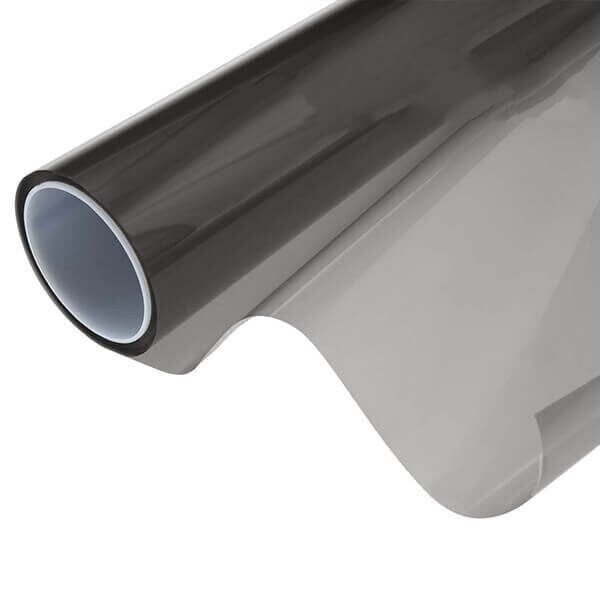
Anti Glare Coating: Improving Smartphone Camera Performance Through Reflection Control
Smartphone cameras continue to evolve with higher resolutions, larger sensors, and more advanced optical systems. However, even the most powerful camera hardware depends on efficient light management to produce clear and accurate images. One often-overlooked factor affecting camera performance is unwanted surface reflection.
When light reflects from camera cover glass or optical surfaces, it can create glare, reduce contrast, and affect image quality. This is why anti glare coating has become an important optical solution for modern smartphone camera systems.
By controlling reflected light and improving optical transmission, anti glare coatings help camera components capture more accurate images while maintaining excellent surface durability and visual quality.
Why Glare Control Is Important for Smartphone Cameras
During photography, light must pass through multiple optical surfaces before reaching the camera sensor. Every surface interaction can create partial reflection, which may reduce the amount of useful light entering the optical system.
Common problems caused by excessive glare include:
- Reduced image contrast
- Lens flare effects
- Washed-out details
- Lower color accuracy
- Reduced performance in bright environments
These issues are especially noticeable when taking photos under direct sunlight, strong artificial lighting, or reflective surroundings.
An effective anti glare coating helps manage these optical challenges by reducing unwanted reflections and improving light efficiency.
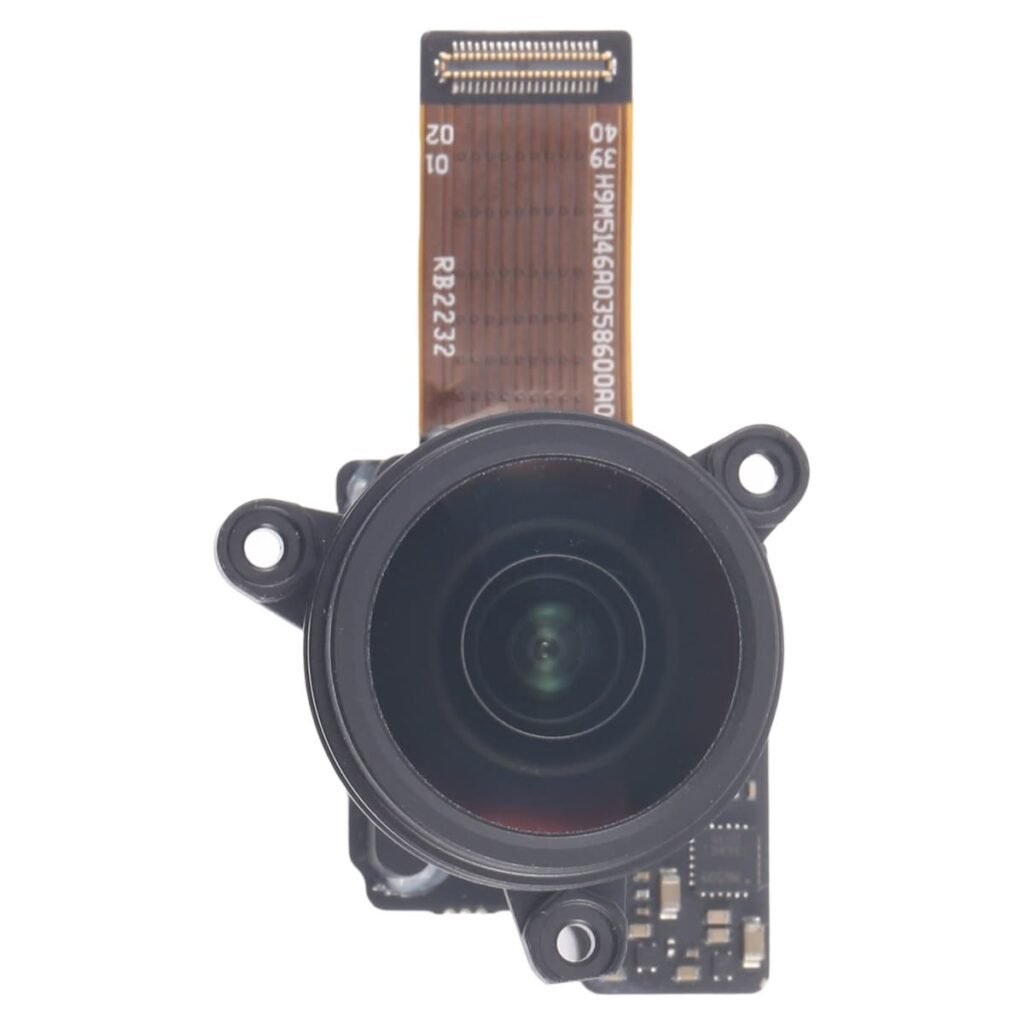
What Is Anti Glare Coating?
An anti glare coating is a specialized optical surface treatment designed to minimize reflected light and reduce visual interference.
Using advanced thin-film deposition technology, multiple coating layers are precisely applied to optical surfaces such as camera cover glass and lens components. These layers are engineered to control the interaction between light and the surface.
Key benefits include:
- Reduced surface glare
- Improved light transmission
- Enhanced image clarity
- Better contrast performance
- More stable optical results
Unlike simple surface finishes, professional optical coatings require precise material selection and thickness control to achieve consistent performance.
How Anti Glare Coating Enhances Camera Quality
Modern smartphone photography depends on capturing maximum available light while maintaining image accuracy. Optical coatings help improve this process by reducing unnecessary reflection losses.
| Coating Benefit | Camera Performance Improvement |
|---|---|
| Lower Reflection | Reduced glare and flare |
| Higher Light Efficiency | Improved brightness |
| Better Contrast | Clearer image details |
| Optical Stability | Consistent performance |
| Surface Protection | Longer component lifespan |
For flagship smartphones, these improvements contribute to a better photography experience in various lighting conditions.
Applications of Anti Glare Coating in Mobile Devices
Camera Cover Glass
The outer camera cover glass directly interacts with external light. Applying anti glare coating helps maintain optical clarity while reducing unwanted reflections.
Smartphone Lens Systems
Multi-element camera systems benefit from reflection control between different optical surfaces, improving overall imaging efficiency.
Multi-Camera Smartphone Modules
Modern devices often include several cameras with different focal lengths. Each optical path requires precise reflection management to maintain consistent image quality.
Other Optical Electronics
Similar coating technology is also used in tablets, wearable devices, and other products requiring improved optical performance.
Functional Coating for Advanced Smartphone Cameras
Smartphone camera components require coatings that combine optical performance, durability, and manufacturing reliability.
Functional Coating for Cell Phone Camera provides advanced coating solutions designed for mobile camera applications. The technology helps improve optical performance, protect camera surfaces, and support the demanding requirements of modern smartphone manufacturers.
By combining functional properties with precision coating processes, manufacturers can create camera components that deliver reliable performance throughout the product lifecycle.
Key Characteristics of High-Performance Anti Glare Coatings
A professional anti glare coating solution should provide:
- Excellent optical transparency
- Effective glare reduction
- Strong coating adhesion
- Uniform surface coverage
- Environmental stability
- Compatibility with high-volume production
For smartphone applications, consistency is critical because every camera module must meet strict optical standards.
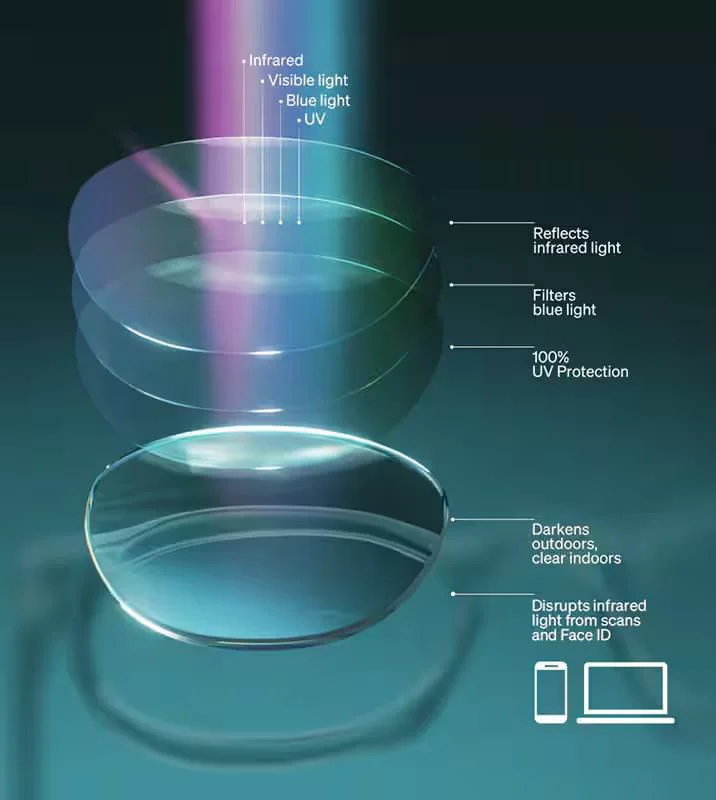
The Importance of Vacuum Coating Technology
Advanced anti glare coatings are typically produced using precision vacuum deposition technology. This process allows manufacturers to create highly controlled thin-film structures with reliable optical properties.
Vacuum coating advantages include:
- Precise layer thickness control
- Uniform coating distribution
- Multi-layer optical design capability
- Strong bonding performance
- Excellent production repeatability
These advantages make vacuum coating an ideal technology for advanced camera and optical applications.
Selecting the Right Camera Coating Supplier
Choosing a coating supplier requires evaluating both technical capability and manufacturing experience.
Important considerations include:
- Optical coating expertise
- Experience with smartphone camera applications
- Custom coating development ability
- Production capacity
- Quality management systems
- Technical support
SRNC provides advanced vacuum coating solutions for optical and electronic applications, helping manufacturers develop reliable coating technologies for next-generation mobile devices.
Future Trends in Anti Glare Coating Technology
As smartphone cameras become more advanced, optical coating technology will continue improving.
Future trends may include:
- Multi-functional optical coatings
- Better reflection control
- Improved fingerprint resistance
- Higher environmental durability
- More compact coating structures
- Enhanced light transmission efficiency
These innovations will help future mobile cameras deliver clearer and more professional-quality images.
Frequently Asked Questions
What is anti glare coating?
Anti glare coating is an optical coating designed to reduce unwanted reflections from surfaces and improve visibility and optical performance.
Why is anti glare coating used on smartphone cameras?
It helps reduce glare, minimize reflections, improve contrast, and enhance image quality in challenging lighting conditions.
Does anti glare coating affect camera transparency?
No. High-quality anti glare coatings are designed to reduce reflection while maintaining excellent light transmission.
Where is anti glare coating applied?
It is commonly used on smartphone camera cover glass, optical lenses, camera modules, and other transparent optical components.
How is anti glare coating applied?
It is typically applied through advanced vacuum thin-film coating processes that precisely control optical layer structures.
Conclusion
As smartphone cameras become more sophisticated, controlling unwanted reflections has become essential for achieving superior image quality. Anti glare coating provides an effective solution by reducing surface reflections, improving optical clarity, and enhancing camera performance.
Through Functional Coating for Cell Phone Camera, SRNC delivers advanced optical coating solutions designed for modern smartphone camera systems, combining functional performance with reliable durability.
Supported by comprehensive vacuum coating solutions, SRNC helps global electronics manufacturers develop high-performance camera components that meet the demands of next-generation mobile imaging technology.