

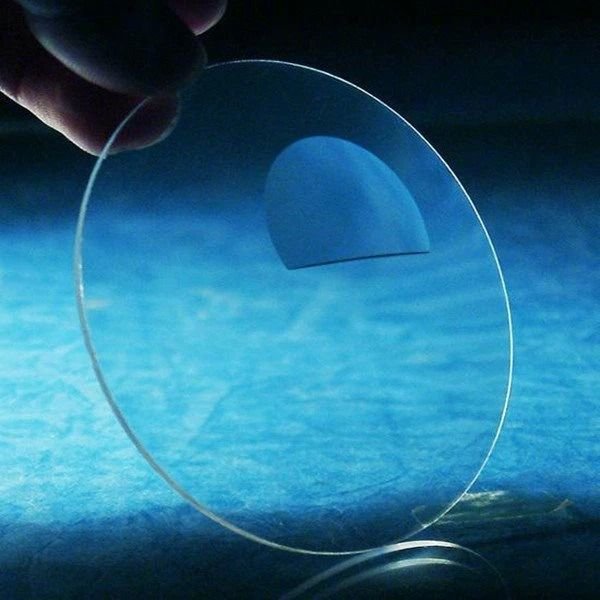
Anti Reflection Coating: A Small Optical Layer That Makes a Big Difference
Every new generation of smartphones promises better photography, but achieving professional-quality images requires more than advanced image sensors. Light must travel through several optical surfaces before reaching the sensor, and every surface reflects a portion of that light. Without proper treatment, these reflections reduce image quality, create glare, and decrease overall optical efficiency.
This is where anti reflection coating becomes indispensable. By minimizing surface reflections and maximizing light transmission, it helps smartphone cameras capture brighter, sharper, and more detailed images in both daylight and low-light conditions.
The Hidden Problem Inside Every Camera Module
A modern smartphone camera may contain multiple lenses, protective cover glass, infrared filters, and additional optical elements. As light passes through each layer, a small amount is reflected instead of transmitted.
Although each reflection may only account for a few percentage points, the combined effect can lead to:
- Reduced image brightness
- Lower contrast
- Lens flare
- Ghost images
- Reduced color accuracy
- Less detail in challenging lighting
As camera systems become increasingly complex, controlling these reflections becomes essential for maintaining image quality.
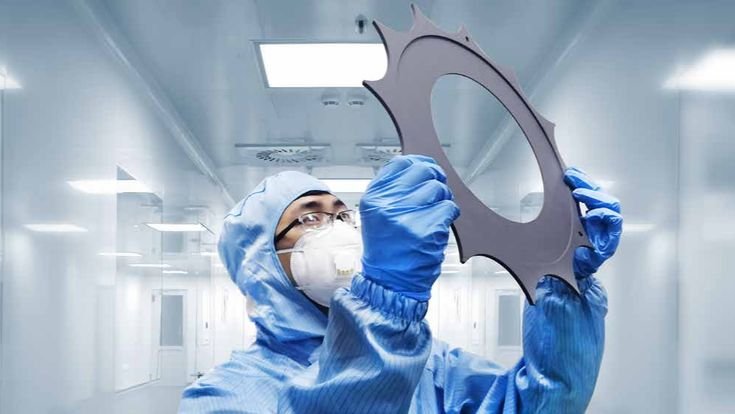
How Anti Reflection Coating Improves Optical Efficiency
Instead of allowing light to bounce off the glass surface, an anti reflection coating uses multiple ultra-thin dielectric layers to guide more light through the optical system.
The coating is precisely engineered so reflected light waves cancel one another, while transmitted light continues toward the image sensor.
The result is a noticeable improvement in optical performance, including:
- Higher light transmission
- Reduced glare
- Better image contrast
- Improved color reproduction
- Enhanced sharpness
- More consistent imaging in low-light environments
Because these coatings are only nanometers thick, they improve performance without affecting lens size or weight.
Where Anti Reflection Coatings Are Commonly Used
Although smartphone cameras are one of the largest application areas, anti reflection coatings are essential across many optical industries.
Typical applications include:
- Smartphone camera cover glass
- Mobile camera lens assemblies
- Optical filters
- Infrared imaging windows
- Automotive camera systems
- Machine vision equipment
- Medical imaging devices
- AR and VR optical modules
As imaging technologies continue to advance, demand for high-performance optical coatings continues to grow.
Meeting the Demands of Smartphone Manufacturers
Today’s flagship smartphones rely on larger sensors, wider apertures, and multiple camera modules to deliver professional photography. These improvements place even greater demands on optical coatings.
Functional Coating for Cell Phone Camera is developed specifically for smartphone camera applications. Using advanced vacuum coating technology, it improves optical transmission, minimizes unwanted reflections, and provides consistent coating quality for large-scale production.
This enables manufacturers to enhance imaging performance while maintaining reliable production efficiency.
What Makes a High-Quality Anti Reflection Coating?
When evaluating optical coating performance, manufacturers typically focus on several key characteristics.
| Feature | Value for Camera Performance |
|---|---|
| Low Reflectance | Minimizes glare and ghosting |
| High Optical Transmission | Allows more light to reach the sensor |
| Uniform Film Thickness | Delivers consistent image quality |
| Strong Adhesion | Ensures coating durability |
| Environmental Stability | Performs reliably under varying temperatures and humidity |
| High Production Consistency | Supports large-volume smartphone manufacturing |
Together, these factors determine the long-term performance of an optical coating.
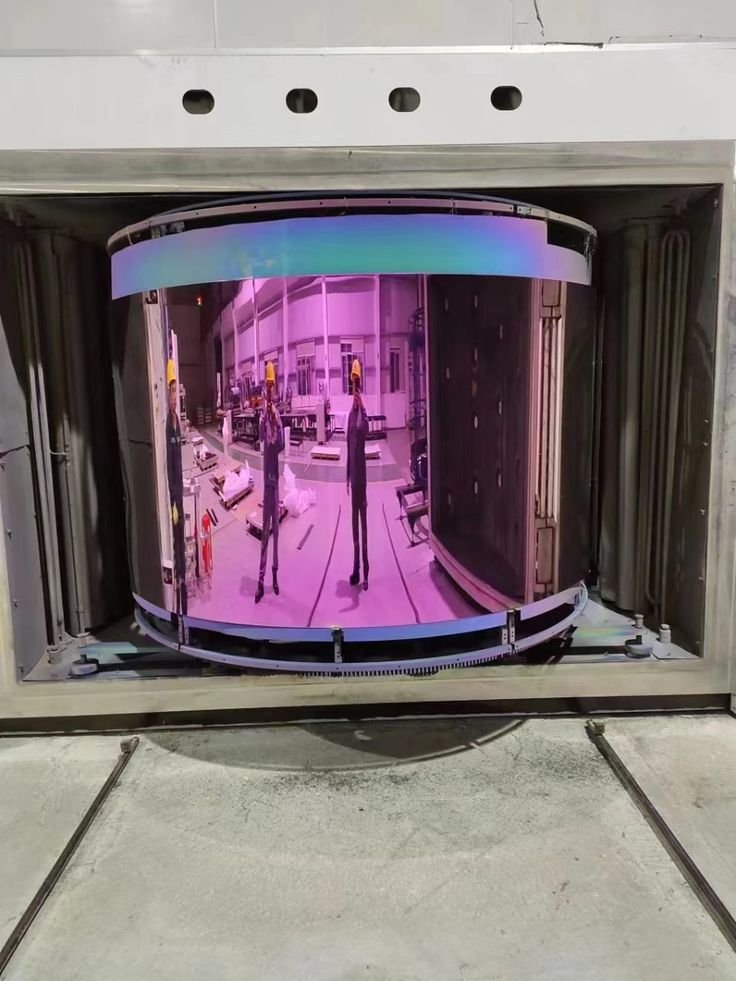
Why Vacuum Coating Technology Matters
The performance of an anti reflection coating depends not only on its design but also on the manufacturing process.
Advanced vacuum deposition technologies offer several advantages:
- Precise nanometer-level thickness control
- Excellent coating uniformity
- Superior adhesion
- Stable optical characteristics
- Reliable batch-to-batch consistency
These capabilities are essential for producing millions of smartphone camera components with identical optical performance.
Choosing the Right Optical Coating Partner
A successful optical coating project requires more than advanced equipment. Manufacturers should also consider:
- Experience with mobile camera optics
- Thin-film coating expertise
- Custom coating development
- Strict quality management
- High-volume production capability
- Responsive technical support
SRNC offers complete vacuum coating solutions for consumer electronics, providing customized optical coatings that meet the demanding requirements of modern smartphone cameras.
Future Trends in Anti Reflection Coating
As mobile imaging continues to evolve, anti reflection coatings are becoming even more sophisticated.
Future developments include:
- Lower reflectance across wider wavelength ranges
- Improved performance for large camera sensors
- Multi-functional coatings combining anti-reflection and protective properties
- Better resistance to fingerprints and contamination
- Environmentally friendly coating materials
- AI-optimized optical coating designs
These innovations will continue supporting the next generation of mobile photography and advanced optical devices.
Frequently Asked Questions
What is anti reflection coating?
Anti reflection coating is a multi-layer optical coating that reduces reflected light and increases light transmission through optical surfaces.
Why is anti reflection coating important for smartphone cameras?
It reduces glare, improves image contrast, increases brightness, and allows camera sensors to capture more useful light.
Can anti reflection coating improve low-light photography?
Yes. Higher light transmission enables more light to reach the sensor, helping improve image quality in dim environments.
Which optical components commonly use anti reflection coating?
Camera cover glass, camera lenses, optical filters, infrared windows, automotive cameras, and medical imaging equipment all commonly utilize anti reflection coatings.
How is anti reflection coating manufactured?
It is produced using advanced vacuum deposition processes such as magnetron sputtering, enabling precise multi-layer thin-film structures with consistent optical performance.
Conclusion
Modern smartphone cameras depend on more than powerful sensors and sophisticated software. Anti reflection coating is a critical optical technology that improves light transmission, minimizes glare, and enhances image quality across a wide range of shooting conditions.
With Functional Coating for Cell Phone Camera, SRNC delivers advanced optical coating solutions designed for today’s high-performance mobile camera systems. Supported by comprehensive vacuum coating solutions, SRNC helps manufacturers achieve exceptional optical performance, reliable mass production, and consistent product quality for next-generation consumer electronics.