

Optical Substrate Coating: Technology and Applications
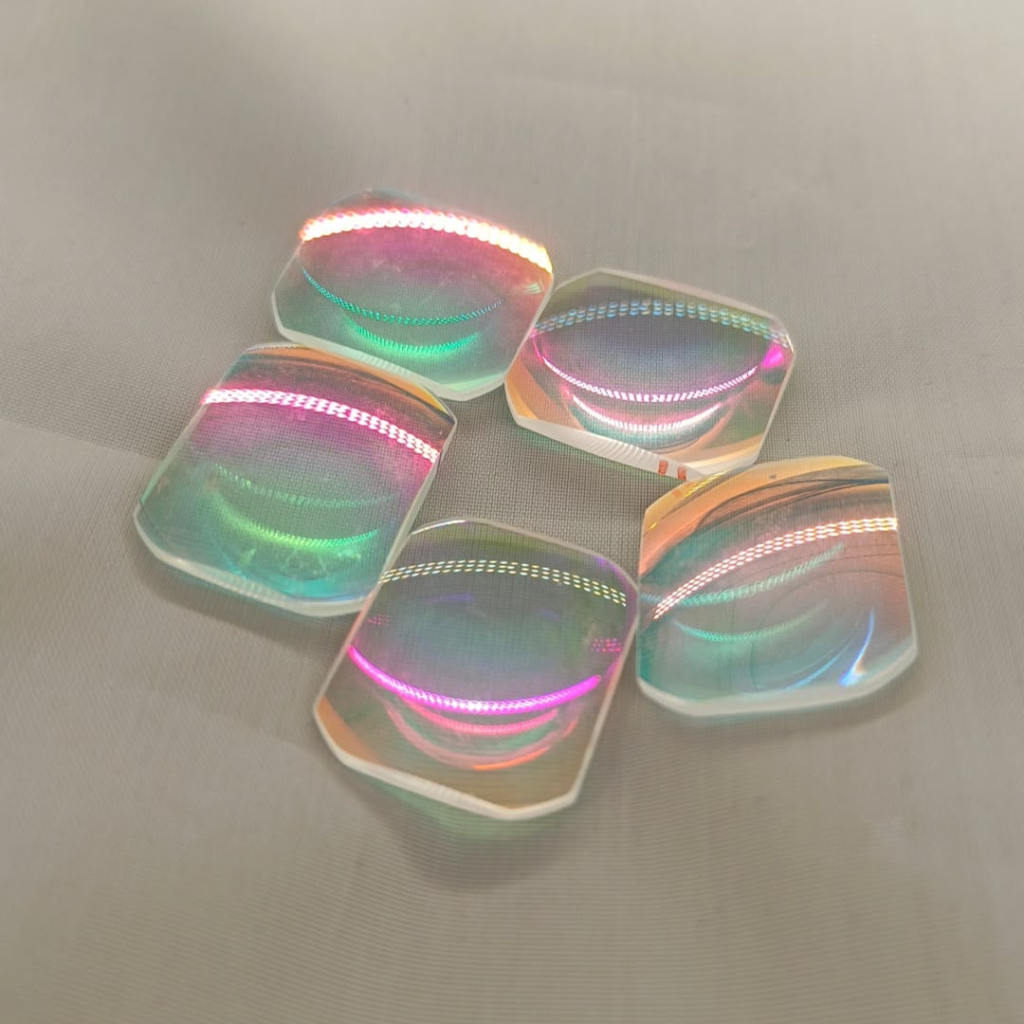
- Silicon
- Infrared optical materials
Common coated optical substrates include:
- Optical windows
- Lenses
- Mirrors
- Filters
- Laser components
- Sensor covers
The main purposes of optical substrate coating include:
- Improving light transmission
- Reducing reflection
- Enhancing optical efficiency
- Increasing surface protection
- Controlling wavelength performance
Why Do Optical Substrates Need Coating?
Optical materials naturally reflect a portion of incoming light when light passes through their surfaces.
This reflection can cause:
- Reduced transmission efficiency
- Lower signal quality
- Optical energy loss
In advanced optical systems, these effects may influence:
- Imaging accuracy
- Laser performance
- Sensor sensitivity
- Measurement precision
Optical substrate coatings provide customized surface characteristics that allow optical components to perform more effectively.
How Does Optical Substrate Coating Work?
Optical substrate coatings work by controlling how light interacts with thin film structures.
Different coating designs provide different functions.
Anti Reflection Control
Anti reflective coatings reduce reflection from optical surfaces.
Benefits:
- Higher light transmission
- Improved optical clarity
- Reduced optical loss
Applications:
- Camera lenses
- Optical windows
- Imaging systems
Reflection Enhancement
Reflective coatings improve surface reflection performance.
Applications:
- Optical mirrors
- Laser mirrors
- Beam steering systems
Wavelength Control
Multilayer thin film structures allow precise control of specific wavelengths.
Applications:
- Optical filters
- Spectral systems
- Sensor components
Surface Protection
Protective coatings improve resistance against:
- Scratches
- Humidity
- Chemical exposure
- Environmental conditions
Optical Substrate Coating Process
High-quality optical substrate coatings require precise manufacturing processes.
Optical Substrate Preparation
Before coating, substrates require careful preparation.
Typical processes include:
- Precision cleaning
- Surface inspection
- Polishing
- Contamination removal
Proper preparation improves:
- Coating adhesion
- Film uniformity
- Optical performance
Vacuum Optical Coating Process
Vacuum coating technology is widely used for optical substrate applications.
During the process, coating materials are deposited onto substrate surfaces inside a controlled vacuum environment.
Advantages include:
- Accurate film thickness control
- High coating uniformity
- Stable optical performance
- Strong layer adhesion
Learn more about SRNC vacuum coating technology:
https://srnc.net/
Types of Optical Substrate Coating
Optical Glass Coating
Optical glass coating improves the performance of glass-based optical components.
Applications include:
- Lenses
- Windows
- Optical filters
- Imaging components
Benefits:
- Improved transmission
- Reduced reflection
- Better surface durability
AR Coating
Anti reflective coating is one of the most common optical substrate coatings.
Advantages:
- Increased light transmission
- Reduced glare
- Improved optical efficiency
Applications:
- Camera optics
- Display components
- Precision optical systems
Dielectric Optical Coating
Dielectric coatings use multiple layers of optical materials to control light behavior.
Advantages:
- High reflectivity
- Low optical loss
- Excellent wavelength selectivity
Applications:
- Laser optics
- Optical mirrors
- Beam splitters
Infrared Optical Coating
Infrared coatings are designed for substrates used in infrared optical systems.
Applications:
- Thermal imaging
- IR sensors
- Infrared windows
Benefits:
- Improved infrared transmission
- Controlled reflection
- Environmental protection
Laser Optical Coating
Laser coatings are designed for high-precision laser applications.
Requirements include:
- Low optical loss
- High damage resistance
- Accurate wavelength control
Applications:
- Laser mirrors
- Laser windows
- Optical assemblies
Applications of Optical Substrate Coating
Laser Systems
Laser systems require optical substrates with precise coating performance.
Applications:
- Laser mirrors
- Beam splitters
- Laser windows
Coatings improve:
- Energy transmission
- Reflection efficiency
- System stability
Imaging Systems
Imaging systems depend on high-quality optical surfaces.
Applications:
- Cameras
- Machine vision systems
- Microscopy equipment
Optical substrate coatings help improve:
- Image quality
- Light management
- Component durability
Semiconductor Equipment
Semiconductor manufacturing requires advanced optical control.
Applications:
- Inspection equipment
- Measurement systems
- Optical modules
Coatings provide:
- Stable optical properties
- High durability
- Precision wavelength control
Sensor and LiDAR Systems
Modern sensing technologies rely on coated optical substrates.
Applications:
- Optical sensors
- LiDAR systems
- Detection devices
Coatings improve:
- Signal quality
- Optical efficiency
- Environmental resistance
SRNC provides vacuum optical coating and thin film coating solutions for optical substrates, precision optical components, sensors, and advanced optical systems.
Learn more:
https://srnc.net/optical-coating/
Optical Substrate Coating and Thin Film Technology
Optical substrate coating is based on advanced thin film engineering.
By controlling:
- Coating materials
- Layer thickness
- Film structure
- Deposition parameters
Manufacturers can create coatings with specific optical characteristics.
Modern thin film coating technology enables:
- Multilayer optical structures
- Customized wavelength performance
- High-precision optical solutions
Factors Affecting Optical Substrate Coating Performance
Several factors influence coating quality.
Substrate Material
Different materials require different coating designs.
Examples:
- Glass
- Sapphire
- Quartz
- Infrared materials
Coating Material
Material selection affects:
- Refractive index
- Transmission performance
- Environmental stability
Film Thickness
Small variations in thickness can influence optical performance.
Deposition Technology
Advanced coating equipment ensures:
- Uniform layers
- Repeatable performance
- Strong adhesion
Future Development of Optical Substrate Coating
With the growth of photonics, semiconductor technology, and advanced sensing systems, optical substrate coating continues to develop.
Future trends include:
- Low-loss optical coatings
- Multilayer thin film structures
- High-power laser coatings
- Infrared and multispectral coatings
- Nano-scale coating control
Optical substrate coatings will continue to support advanced optical systems by improving performance, reliability, and environmental durability.
Although these coatings are extremely thin, they play an essential role in controlling light behavior and enhancing modern optical technologies.