

Infrared Optical Coating: Technology and Applications
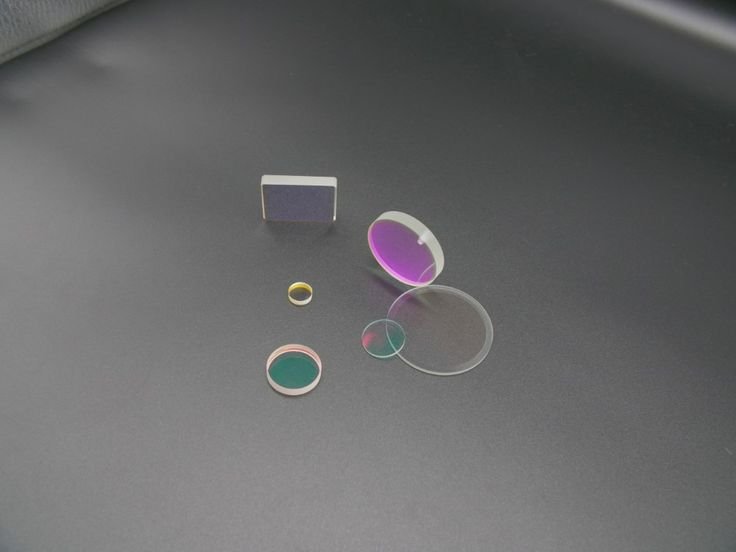
Infrared optical systems are widely used in thermal imaging, infrared sensing, industrial inspection, security monitoring, and advanced optical equipment. These applications require optical components with excellent infrared transmission, stability, and environmental resistance.
Infrared optical coating is a specialized thin film coating technology designed to control infrared light performance on optical components.
By applying precisely engineered coating layers to infrared lenses, windows, and optical filters, infrared coatings can improve transmission efficiency, reduce unwanted reflection, and enhance the durability of optical systems.
What Is Infrared Optical Coating?
Infrared optical coating refers to the application of thin film layers onto optical surfaces to optimize infrared wavelength performance.
Unlike visible light coatings, infrared coatings are designed specifically for infrared wavelength ranges, including:
- Near infrared (NIR)
- Short-wave infrared (SWIR)
- Mid-wave infrared (MWIR)
- Long-wave infrared (LWIR)
Common coated components include:
- Infrared lenses
- IR windows
- Thermal imaging optics
- Infrared filters
- Sensor protection windows
The main functions of infrared optical coatings include:
- Improving infrared transmission
- Controlling reflection
- Reducing optical loss
- Protecting optical surfaces
- Enhancing system reliability
How Does Infrared Optical Coating Work?
Infrared optical coatings work by controlling how infrared radiation interacts with optical surfaces.
The multilayer thin film structure changes the behavior of infrared wavelengths through:
- Interference effects
- Reflection control
- Transmission optimization
The coating performance depends on:
- Infrared wavelength range
- Film thickness
- Coating material
- Layer structure
- Substrate material
Different infrared applications require customized coating designs.
For example:
- Thermal imaging systems require high infrared transmission.
- Infrared sensors require stable optical performance.
- Laser systems require wavelength-specific coatings.
Infrared Optical Coating Process
High-performance infrared coatings require advanced vacuum deposition technologies.
Optical Surface Preparation
Before coating, infrared optical components require precise surface treatment.
Common processes include:
- Ultrasonic cleaning
- Chemical cleaning
- Plasma treatment
Proper preparation improves:
- Film adhesion
- Coating uniformity
- Optical performance
Thin Film Deposition Technology
Infrared optical coatings are produced using advanced coating methods.
Vacuum Evaporation
Vacuum evaporation is commonly used for infrared optical coatings.
Advantages:
- High optical quality
- Precise layer control
- Suitable for multilayer structures
Applications:
- Infrared lenses
- Optical filters
- IR windows
Ion Assisted Deposition (IAD)
IAD improves coating density and durability.
Benefits include:
- Better adhesion
- Higher environmental resistance
- Improved coating stability
Applications:
- Thermal imaging optics
- High-performance infrared systems
Magnetron Sputtering
Magnetron sputtering provides durable infrared thin films.
Advantages:
- Excellent uniformity
- Strong coating performance
- Good long-term stability
Types of Infrared Optical Coating
Infrared Transmission Coating
Infrared transmission coatings are designed to maximize infrared light passing through optical components.
Applications:
- Thermal cameras
- Infrared sensors
- Imaging systems
Benefits:
- Higher signal efficiency
- Reduced optical loss
- Improved image quality
Infrared Reflective Coating
Infrared reflective coatings control infrared reflection.
Applications:
- Infrared mirrors
- Optical systems
- Thermal management applications
Benefits:
- High reflectivity
- Wavelength control
Infrared Lens Coating
Infrared lens coatings improve the performance of IR optical lenses.
Applications:
- Thermal imaging lenses
- Night vision systems
- Industrial cameras
Benefits:
- Improved transmission
- Surface protection
- Better durability
Infrared Filter Coating
Infrared filter coatings control specific wavelength ranges.
Applications:
- Infrared detectors
- Spectroscopy systems
- Sensor equipment
Functions include:
- Bandpass filtering
- Long-pass filtering
- Short-pass filtering
Thermal Imaging Coating
Thermal imaging coatings are designed for infrared imaging applications.
Applications:
- Thermal cameras
- Infrared detection systems
- Industrial monitoring equipment
Benefits:
- Improved infrared response
- Better imaging performance
Materials Used in Infrared Optical Coating
Common infrared coating materials include:
Germanium (Ge)
Germanium is widely used in infrared optical systems.
Advantages:
- Excellent infrared transmission
- High refractive index
Applications:
- Thermal imaging lenses
- IR windows
Silicon (Si)
Silicon provides good infrared optical performance.
Applications:
- Infrared sensors
- Optical components
Zinc Sulfide (ZnS)
Zinc sulfide is commonly used in infrared applications.
Benefits:
- Wide infrared transmission range
- Good durability
Applications:
- Thermal imaging optics
- Infrared windows
Applications of Infrared Optical Coating
Thermal Imaging Systems
Infrared coatings are essential for thermal imaging equipment.
Applications include:
- Thermal cameras
- Infrared monitoring systems
- Industrial inspection equipment
Coatings improve:
- Infrared transmission
- Image quality
- System stability
Infrared Sensors
Sensors require precise infrared optical control.
Applications include:
- Detection systems
- Measurement equipment
- Security devices
Infrared coatings help improve:
- Signal accuracy
- Optical efficiency
- Component protection
Industrial Inspection
Infrared optical coatings support industrial applications.
Applications include:
- Temperature monitoring
- Machine inspection
- Process control
Benefits:
- Reliable infrared detection
- Improved measurement accuracy
SRNC provides optical coating and thin film coating solutions for infrared optical components, lenses, filters, and functional surfaces.
Learn more:
https://srnc.net/optical-coating/
Defense and Aerospace Optical Systems
Infrared optical coatings are used in advanced optical systems.
Applications include:
- Infrared imaging
- Optical detection systems
- Precision instruments
Infrared Optical Coating and Thin Film Technology
Infrared optical coating is an important branch of optical thin film technology.
Modern infrared systems require coatings with:
- Accurate wavelength control
- High transmission efficiency
- Low optical loss
- Strong environmental stability
Vacuum coating technology enables precise multilayer film deposition for infrared optical components.
SRNC specializes in vacuum coating and optical thin film technologies for infrared optics, laser components, and advanced optical applications.
More information:
https://srnc.net/
Factors Affecting Infrared Optical Coating Performance
Several factors influence coating performance:
- Infrared wavelength range
- Substrate material
- Coating structure
- Deposition technology
- Environmental conditions
Different infrared applications require customized solutions.
For example:
- Thermal imaging requires high transmission coatings.
- IR sensors require stable protective films.
- Optical filters require precise wavelength control.
Future Development of Infrared Optical Coating
With the growth of thermal imaging, infrared sensing, autonomous systems, and industrial monitoring, infrared optical coating technology continues to develop.
Future trends include:
- Higher transmission efficiency
- More durable coating structures
- Advanced multilayer designs
- Improved environmental resistance
Infrared optical coating will continue to support the development of infrared imaging, sensing, and optical technologies.
Although these coatings are extremely thin, they play a critical role in controlling infrared light performance and improving optical system reliability.