

Infrared Sensor Coating: Technology and Applications
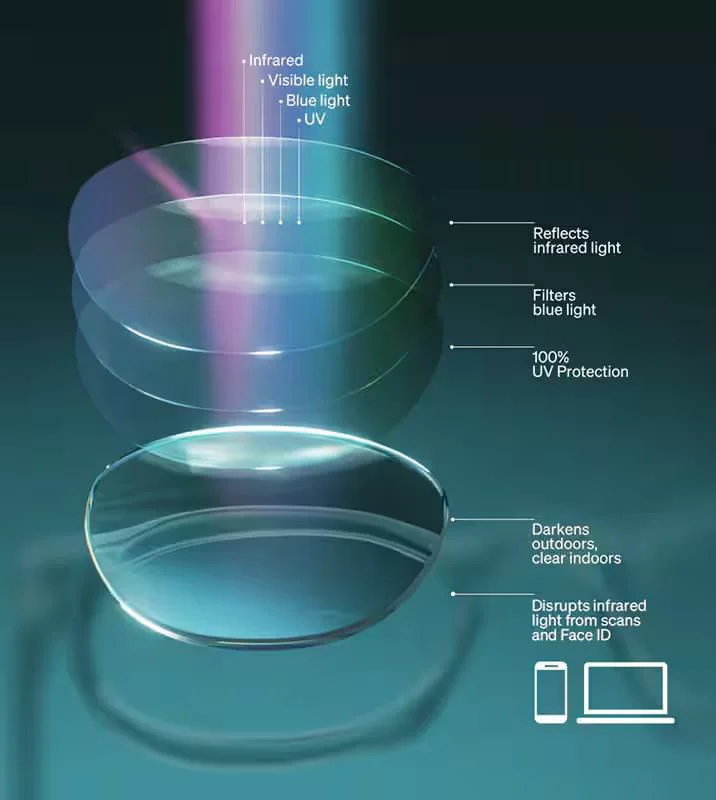
Infrared sensing technology plays an important role in thermal imaging, security monitoring, automotive systems, industrial inspection, and scientific measurement.
Infrared sensors need to accurately detect infrared radiation while maintaining stable performance under different environmental conditions. The optical surfaces used in these systems must provide high infrared transmission, low reflection, and reliable protection.
Infrared sensor coating is an advanced optical thin film technology designed to improve the optical performance and durability of infrared sensor components.
By applying specialized infrared optical coatings, manufacturers can optimize wavelength transmission, reduce optical loss, and protect sensitive sensor surfaces.
What Is Infrared Sensor Coating?
Infrared sensor coating refers to the application of thin film layers onto infrared sensor components to control infrared light transmission and improve surface protection.
Unlike standard optical coatings, infrared sensor coatings are specifically designed for infrared wavelength ranges.
Common coated components include:
- Infrared sensor windows
- Thermal imaging lenses
- IR detector covers
- Optical filters
- Infrared optical components
The main functions of infrared sensor coatings include:
- Improving infrared transmission
- Reducing surface reflection
- Enhancing sensor sensitivity
- Protecting optical surfaces
- Improving environmental durability
Applications include:
- Thermal imaging cameras
- Night vision systems
- Automotive infrared sensors
- Industrial inspection equipment
- Security monitoring systems
How Does Infrared Sensor Coating Work?
Infrared sensor coatings control how infrared radiation interacts with optical surfaces.
When infrared light passes through an optical component, part of the energy may be reflected or absorbed. A properly designed coating layer reduces these losses and improves signal transmission.
The coating works by:
- Controlling infrared wavelength transmission
- Reducing unwanted surface reflection
- Improving optical efficiency
- Protecting sensor components
The coating design depends on:
- Infrared wavelength range
- Sensor material
- Optical system requirements
- Environmental conditions
Common infrared wavelength ranges include:
- Near infrared (NIR)
- Short-wave infrared (SWIR)
- Mid-wave infrared (MWIR)
- Long-wave infrared (LWIR)
Infrared Sensor Coating Process
High-performance infrared sensor coatings require precise thin film deposition technology.
Optical Substrate Preparation
Before coating, infrared optical components require professional surface preparation.
Common substrate materials include:
- Germanium
- Silicon
- Sapphire
- Zinc sulfide (ZnS)
- Zinc selenide (ZnSe)
Proper preparation improves:
- Coating adhesion
- Film uniformity
- Optical performance
Thin Film Deposition
Infrared sensor coatings are manufactured using advanced vacuum coating technologies.
Common processes include:
- Physical Vapor Deposition (PVD)
- Magnetron sputtering
- Electron beam evaporation
These processes provide precise control over:
- Film thickness
- Layer structure
- Infrared transmission performance
Coating Performance Testing
After coating, components are tested for:
- Infrared transmission
- Reflection performance
- Adhesion strength
- Environmental resistance
Materials Used in Infrared Sensor Coating
Silicon Dioxide (SiO₂)
Silicon dioxide is commonly used in optical multilayer structures.
Advantages include:
- Good optical transparency
- Chemical stability
- Low absorption
Applications:
- Infrared optical coatings
- Protective layers
Germanium-Based Optical Materials
Germanium is widely used in infrared optical systems.
Advantages include:
- Excellent infrared transmission
- Suitable for thermal imaging applications
Applications:
- Thermal cameras
- Infrared detectors
Zinc Sulfide (ZnS) and Zinc Selenide (ZnSe)
These materials are commonly used in infrared optical components.
Benefits include:
- Wide infrared transmission range
- Good optical performance
Applications:
- IR windows
- Thermal imaging lenses
Types of Infrared Sensor Coating
Anti Reflective Coating for Infrared Sensors
Anti-reflective coatings reduce infrared reflection losses.
Benefits include:
- Higher infrared transmission
- Improved sensor sensitivity
- Better signal quality
Applications:
- Thermal imaging cameras
- Infrared detectors
Thermal Imaging Coating
Thermal imaging coatings are designed for infrared imaging systems.
They improve:
- Infrared signal transmission
- Image quality
- System reliability
Applications:
- Thermal cameras
- Industrial temperature monitoring
- Security imaging
IR Window Coating
IR window coatings protect infrared windows while maintaining optical performance.
Applications include:
- Outdoor infrared sensors
- Military and industrial systems
- Thermal imaging equipment
Protective Infrared Coating
Protective coatings improve resistance against:
- Moisture
- Dust
- Surface damage
- Environmental exposure
They help extend infrared sensor component lifetime.
Applications of Infrared Sensor Coating
Thermal Imaging Systems
Thermal imaging relies on infrared sensors to detect heat radiation.
Applications include:
- Industrial inspection
- Building inspection
- Security monitoring
- Medical research
Infrared coatings improve transmission efficiency and image accuracy.
Automotive Infrared Sensors
Automotive systems increasingly use infrared sensing technologies.
Applications include:
- Driver monitoring systems
- Night vision systems
- Advanced sensing equipment
Coatings improve sensor reliability in outdoor environments.
SRNC provides vacuum coating and optical thin film solutions for infrared optics, sensor components, and functional surfaces.
Learn more:
https://srnc.net/optical-coating/
Industrial Inspection Equipment
Infrared sensors are widely used for industrial monitoring.
Applications include:
- Equipment temperature detection
- Manufacturing inspection
- Predictive maintenance
Infrared coatings help maintain stable measurement performance.
Security and Surveillance Systems
Infrared cameras require reliable optical components.
Applications include:
- Night vision cameras
- Surveillance systems
- Remote monitoring equipment
Protective coatings improve long-term operation.
Infrared Sensor Coating and Optical Thin Film Technology
Infrared sensor coating is an important application of optical thin film technology.
Modern infrared systems require coatings that combine:
- High infrared transmission
- Low reflection
- Environmental protection
- Long-term stability
Through multilayer thin film design, manufacturers can create coatings optimized for different infrared wavelengths.
Vacuum coating technology enables precise deposition of functional optical layers.
SRNC provides professional vacuum coating and thin film coating solutions for infrared sensors, optical components, and advanced sensing systems.
More information:
https://srnc.net/
Factors Affecting Infrared Sensor Coating Performance
Several factors influence infrared coating performance:
- Infrared wavelength range
- Substrate material
- Coating material selection
- Film thickness accuracy
- Operating environment
Different infrared applications require customized coating solutions.
For example:
- Thermal imaging systems require high infrared transmission.
- Outdoor sensors require strong environmental protection.
- Industrial systems require long-term durability.
Future Development of Infrared Sensor Coating
With the development of thermal imaging, autonomous systems, and intelligent sensing technologies, infrared sensor coatings continue to evolve.
Future trends include:
- Higher infrared transmission efficiency
- Improved durability
- Advanced multilayer coating structures
- Customized wavelength solutions
Infrared sensor coating technology will continue to support applications in thermal imaging, automotive sensing, industrial inspection, and security systems.
Although optical coatings are extremely thin, they play an important role in improving infrared sensor performance and reliability.