

Sensor Protection Coating: Technology and Applications
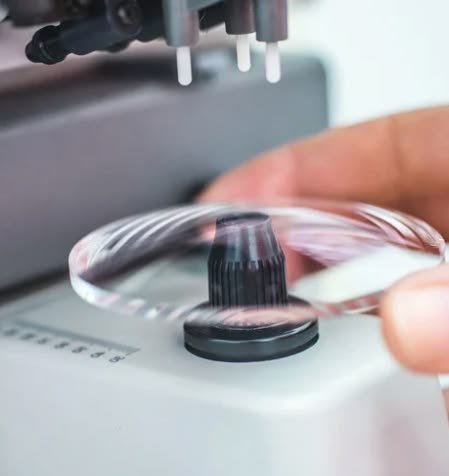
Sensors are widely used in industrial automation, automotive systems, medical equipment, robotics, and consumer electronics. Many sensor components operate in environments exposed to dust, moisture, chemicals, temperature changes, and mechanical stress.
To maintain long-term performance, sensor surfaces often require additional protection.
Sensor protection coating is an advanced surface coating technology designed to improve the durability, stability, and service life of sensor components while maintaining optical and functional performance.
By applying specialized protective thin film layers, manufacturers can reduce surface damage and improve sensor reliability in demanding applications.
What Is Sensor Protection Coating?
Sensor protection coating refers to the application of protective thin film layers onto sensor-related components to improve resistance against external conditions.
These coatings create a protective barrier while maintaining the required optical transmission, sensitivity, and signal accuracy.
Common coated sensor components include:
- Optical sensor windows
- Sensor lenses
- Detector covers
- Infrared windows
- Camera module components
- Optical filters
The main functions of sensor protection coatings include:
- Improving scratch resistance
- Increasing surface hardness
- Protecting against moisture and chemicals
- Reducing wear damage
- Extending sensor service life
How Does Sensor Protection Coating Work?
Sensor protection coatings work by forming a thin protective layer on the surface of sensitive components.
Depending on application requirements, different coating structures can be designed, including:
- Hard protective coatings
- Optical dielectric coatings
- Anti-reflective coatings
- Wear-resistant coatings
- Hydrophobic coatings
The coating improves sensor performance through:
- Creating a durable surface barrier
- Reducing mechanical and environmental damage
- Maintaining optical transmission performance
- Improving long-term operational stability
The coating structure depends on:
- Sensor material
- Operating environment
- Required protection level
- Optical performance requirements
Sensor Protection Coating Process
High-quality sensor protection coatings require precise vacuum coating technology and controlled thin film deposition processes.
Surface Preparation
Before coating, sensor components require professional cleaning and surface preparation.
Common substrate materials include:
- Optical glass
- Sapphire
- Quartz
- Silicon
- Ceramic materials
Proper preparation improves:
- Coating adhesion
- Film uniformity
- Surface quality
Thin Film Deposition
Protective coatings are deposited using advanced coating technologies.
Common processes include:
- Physical Vapor Deposition (PVD)
- Magnetron sputtering
- Electron beam evaporation
These processes allow accurate control of:
- Film thickness
- Coating structure
- Surface properties
Coating Performance Testing
After deposition, coatings are evaluated for:
- Hardness
- Adhesion strength
- Scratch resistance
- Environmental durability
- Optical performance
Materials Used in Sensor Protection Coating
Silicon Dioxide (SiO₂)
Silicon dioxide is commonly used in protective optical coatings.
Advantages include:
- High transparency
- Chemical stability
- Good optical compatibility
Applications:
- Optical sensor windows
- Protective optical layers
Aluminum Oxide (Al₂O₃)
Aluminum oxide provides strong surface protection.
Benefits include:
- High hardness
- Wear resistance
- Environmental stability
Applications:
- Industrial sensors
- Outdoor sensing equipment
Diamond-Like Carbon (DLC)
DLC coatings provide excellent mechanical protection.
Advantages include:
- High hardness
- Low friction
- Strong wear resistance
Applications:
- Precision sensor components
- Mechanical protection applications
Types of Sensor Protection Coating
Hard Coating for Sensors
Hard coatings improve surface durability.
Benefits include:
- Higher surface hardness
- Better scratch resistance
- Longer operating life
Applications:
- Industrial sensors
- Optical inspection systems
Scratch Resistant Coating
Scratch-resistant coatings protect sensor surfaces from physical damage.
Applications include:
- Camera modules
- Optical windows
- Consumer electronics sensors
Wear Resistant Coating
Wear-resistant coatings are designed for sensors exposed to continuous operation.
Benefits include:
- Reduced surface degradation
- Improved durability
- Better reliability
Applications include:
- Manufacturing equipment
- Automation systems
Protective Optical Coating
Protective optical coatings combine surface protection with optical performance.
Applications include:
- Infrared sensors
- LiDAR components
- Imaging systems
Applications of Sensor Protection Coating
Industrial Sensors
Industrial sensors often operate under harsh conditions.
Sensor protection coatings help improve:
- Operational reliability
- Maintenance cycles
- Component lifetime
Applications include:
- Factory automation
- Inspection equipment
- Measurement systems
Infrared Sensor Systems
Infrared sensors require coatings that protect optical surfaces while maintaining infrared transmission.
Applications include:
- Thermal imaging cameras
- Infrared detectors
- Security monitoring systems
Protective coatings help maintain stable optical performance.
Automotive Sensors
Modern vehicles rely on multiple sensor technologies.
Applications include:
- LiDAR sensors
- Camera systems
- Driver assistance sensors
Protection coatings improve durability under outdoor conditions.
SRNC focuses on vacuum coating and optical thin film technologies for optical components, sensor coatings, and functional surfaces.
More information:
https://srnc.net/optical-coating/
Consumer Electronics
Electronic devices require durable optical surfaces.
Applications include:
- Smartphone sensors
- Camera modules
- Optical recognition systems
Protective coatings help improve resistance against daily wear.
Sensor Protection Coating and Functional Optical Thin Film Technology
Sensor protection coating is an important application of functional optical coating technology.
Modern sensors require coatings that balance:
- Mechanical protection
- Optical performance
- Environmental resistance
- Long-term stability
Through advanced thin film design, protective coatings can improve sensor durability without affecting signal quality.
Vacuum coating technology enables precise deposition of protective and functional layers.
SRNC provides vacuum coating and thin film coating solutions for optical sensors and advanced optical components.
Learn more:
https://srnc.net/
Factors Affecting Sensor Protection Coating Performance
Several factors influence coating performance:
- Substrate material
- Coating material selection
- Film thickness
- Surface condition
- Operating environment
Different applications require different coating solutions.
For example:
- Industrial sensors require strong wear resistance.
- Infrared sensors require high optical transmission.
- Consumer electronics require scratch protection.
Future Development of Sensor Protection Coating
With the development of intelligent sensing technology, automation, and advanced optical systems, sensor protection coatings continue to improve.
Future trends include:
- Higher surface hardness
- Better optical compatibility
- Multifunctional coating structures
- Improved environmental resistance
Sensor protection coating technology will continue to support applications in industrial sensing, automotive systems, infrared detection, and consumer electronics.
Although protective coatings are only a few microns or even thinner, they play an important role in improving sensor reliability and extending component lifetime.