

Thin Film Optical Filter: Technology and Applications
Light contains different wavelengths, and controlling specific wavelengths is essential in many optical systems. From cameras and sensors to medical equipment and scientific instruments, optical filters help improve system accuracy by selecting or blocking certain wavelengths of light.
Thin film optical filter technology uses precisely designed thin film layers to control light transmission and reflection.
By depositing multiple layers of optical materials onto a substrate, these filters can achieve specific wavelength filtering functions while maintaining compact size and stable performance.
What Is a Thin Film Optical Filter?
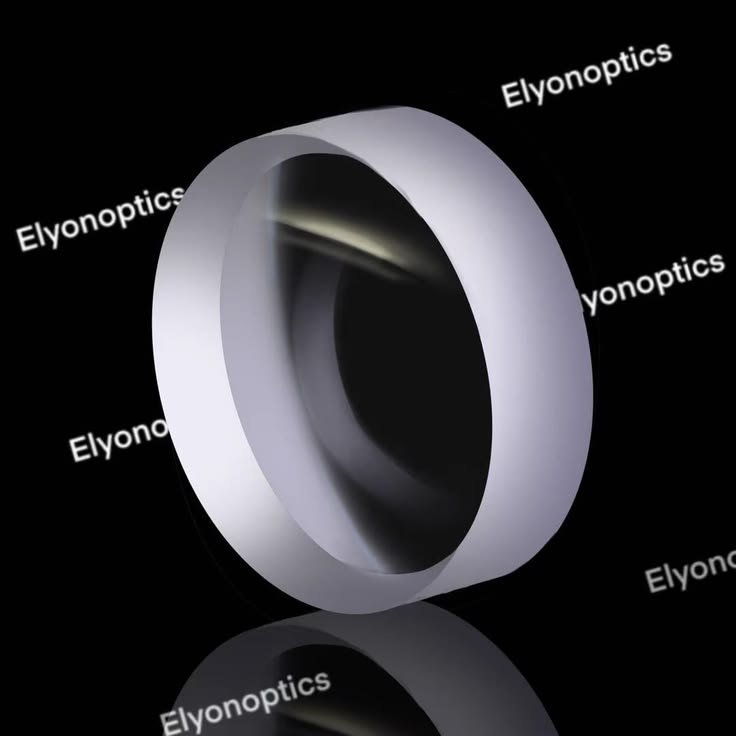
A thin film optical filter is an optical component created by depositing multiple thin layers of materials onto a substrate.
These thin film layers are designed to control the behavior of light based on wavelength.
Unlike traditional filters that mainly rely on absorbing materials, thin film optical filters use interference effects between different layers to achieve wavelength selection.
Common functions include:
- Selecting specific wavelengths
- Blocking unwanted light
- Improving signal quality
- Reducing optical interference
Thin film optical filters are commonly used in:
- Cameras
- Optical sensors
- Laser systems
- Medical instruments
- Scientific equipment
How Does a Thin Film Optical Filter Work?
The working principle of a thin film optical filter is based on optical interference.
A filter usually contains multiple layers of materials with different refractive indexes.
When light enters the filter:
- Light interacts with each thin film layer
- Reflected waves from different layers combine
- Specific wavelengths are enhanced or reduced
- Desired light transmission is achieved
By adjusting:
- Film thickness
- Material selection
- Layer quantity
- Optical design
Manufacturers can create filters for different wavelength requirements.
Thin Film Optical Filter Manufacturing Process
The performance of an optical filter depends heavily on the precision of the coating process.
Substrate Preparation
Before coating, the substrate surface must be carefully cleaned.
Common substrate materials include:
- Optical glass
- Quartz
- Sapphire
- Silicon
A clean surface improves coating adhesion and uniformity.
Thin Film Deposition
During the deposition process, optical materials are deposited layer by layer onto the substrate.
Common technologies include:
- Physical Vapor Deposition (PVD)
- Magnetron sputtering
- Electron beam evaporation
These processes allow precise control of coating thickness and optical properties.
Optical Performance Testing
After production, thin film optical filters are tested for:
- Transmission performance
- Reflection characteristics
- Wavelength accuracy
- Coating stability
Types of Thin Film Optical Filters
Bandpass Optical Filter
Bandpass filters allow a specific wavelength range to pass while blocking other wavelengths.
Applications include:
- Fluorescence imaging
- Medical instruments
- Optical sensors
Long Pass Optical Filter
Long pass filters allow longer wavelengths to pass while blocking shorter wavelengths.
Applications include:
- Imaging systems
- Detection equipment
- Optical analysis systems
Short Pass Optical Filter
Short pass filters transmit shorter wavelengths while reducing longer wavelengths.
Applications include:
- Optical measurement systems
- Scientific instruments
Notch Optical Filter
Notch filters block a specific wavelength range while allowing other wavelengths to pass.
Applications include:
- Laser protection
- Optical communication
- Measurement equipment
Materials Used in Thin Film Optical Filters
Material selection determines the optical performance of the filter.
Silicon Dioxide (SiO₂)
Silicon dioxide is commonly used as a low refractive index material.
It provides:
- Good transparency
- Chemical stability
- Reliable optical properties
Titanium Dioxide (TiO₂)
Titanium dioxide is widely used as a high refractive index material.
It helps create multilayer structures with accurate wavelength control.
Tantalum Pentoxide (Ta₂O₅)
Tantalum pentoxide is often used in advanced optical filter designs.
It provides suitable optical properties for applications requiring precise wavelength control.
Applications of Thin Film Optical Filter
Camera and Imaging Systems
Modern imaging equipment requires accurate control of incoming light.
Thin film optical filters are used in:
- Camera modules
- Industrial cameras
- Machine vision systems
They help improve image quality by controlling unwanted wavelengths.
SRNC focuses on vacuum coating and optical thin film technologies for optical components.
More information:
https://srnc.net/optical-coating/
Medical Equipment
Medical imaging systems often require selective wavelength control.
Applications include:
- Fluorescence imaging
- Diagnostic equipment
- Laboratory instruments
Optical filters help improve detection accuracy by allowing specific light signals to pass.
Laser Systems
Laser applications require precise wavelength management.
Thin film optical filters are used in:
- Laser systems
- Beam control components
- Optical measurement equipment
They help maintain stable optical performance.
Semiconductor Inspection
Semiconductor manufacturing relies on precise optical inspection systems.
Thin film optical filters are used in:
- Inspection equipment
- Optical measurement systems
- Detection devices
They help improve measurement accuracy and system reliability.
Thin Film Optical Filter and Optical Coating Technology
Thin film optical filters are an important application of optical coating technology.
Through multilayer optical coating design, manufacturers can create filters with specific wavelength characteristics.
Vacuum coating technology enables precise deposition of thin film materials and supports:
- Accurate layer thickness control
- Stable coating performance
- Uniform film structures
SRNC provides vacuum coating and thin film coating technologies for optical components and functional surfaces.
Learn more:
https://srnc.net/
Factors Affecting Thin Film Optical Filter Performance
Several factors influence filter performance:
- Optical material selection
- Film thickness accuracy
- Layer structure design
- Substrate quality
- Deposition process
Different applications require different filter designs.
For example:
- Cameras require image quality improvement.
- Laser systems require wavelength precision.
- Sensors require accurate signal detection.
Future Development of Thin Film Optical Filter Technology
As optical systems become more precise, the demand for thin film optical filters continues to grow.
Future developments include:
- More accurate wavelength control
- Smaller optical components
- Multifunctional filter structures
- Improved coating durability
Thin film optical filters will continue to support industries including imaging, electronics, medical technology, and scientific research.
Although the coating layers are extremely thin, they provide essential control over light and improve the performance of modern optical systems.