

Hard Coating Solution: Reliable Surface Protection for Optical and Electronic Components
As electronic devices become thinner, lighter, and more sophisticated, their surfaces are exposed to greater mechanical stress during everyday use. Camera lenses, sapphire windows, optical glass, and protective cover lenses must maintain excellent optical performance while resisting scratches and wear. A professional hard coating solution provides manufacturers with an effective way to improve durability without compromising appearance or optical clarity.
Using advanced vacuum thin-film deposition technology, hard coatings create an ultra-thin protective layer that significantly increases surface hardness, wear resistance, and long-term reliability. Whether for consumer electronics, automotive optics, or industrial imaging systems, these coatings help extend product life while maintaining consistent performance.
What Is a Hard Coating Solution?
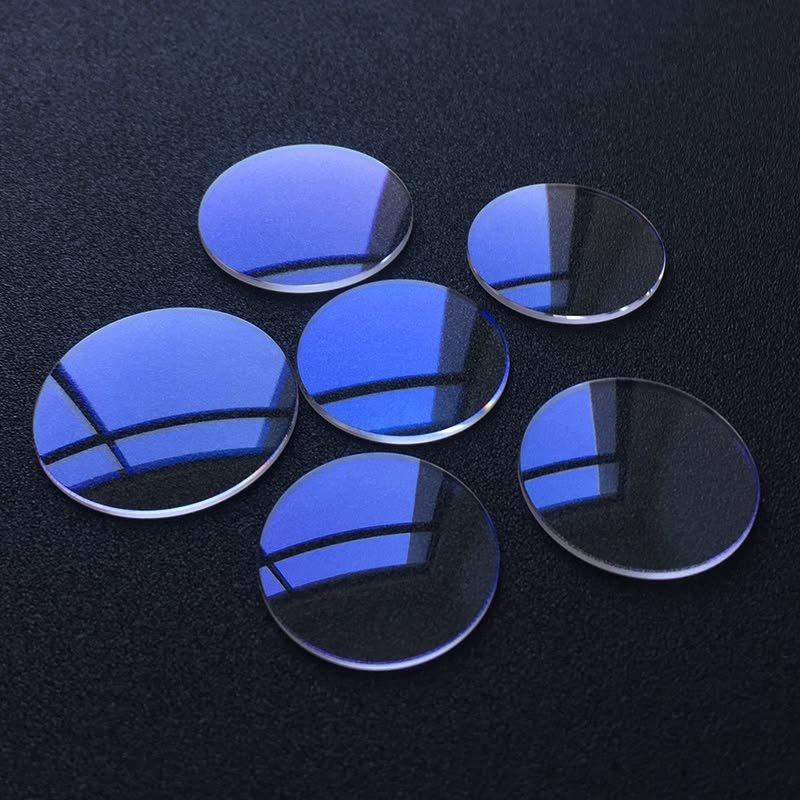
A hard coating solution is a specialized thin-film coating process designed to strengthen the surface of optical and electronic components. Unlike conventional protective finishes, vacuum-deposited hard coatings offer exceptional adhesion, precise thickness control, and excellent transparency.
Typical coated materials include:
- Sapphire
- Optical glass
- Camera cover glass
- Precision optical lenses
- Ceramic components
- Transparent protective windows
These coatings are only nanometers thick, allowing manufacturers to improve durability without changing the size or optical characteristics of the component.
Key Benefits of a Hard Coating Solution
Superior Scratch Resistance
Hard coatings protect optical surfaces from scratches caused by dust particles, cleaning cloths, metal objects, and daily handling. This helps maintain both appearance and optical performance over the product’s lifetime.
Outstanding Wear Resistance
Repeated use gradually damages untreated surfaces. Hard coatings significantly improve abrasion resistance, reducing surface degradation even in demanding environments.
Excellent Optical Performance
A high-quality hard coating maintains excellent light transmission while minimizing optical distortion, making it suitable for high-resolution imaging applications.
Long-Term Surface Stability
Hard coatings help protect components against:
- Mechanical abrasion
- Humidity
- Dust contamination
- Temperature variation
- Routine cleaning
This results in improved product reliability and longer service life.
Advanced Vacuum Coating Technology
Precision Thin-Film Deposition
Professional hard coating solutions are typically produced using:
- Magnetron sputtering
- Plasma-assisted deposition
- Multi-layer thin-film coating
These technologies provide:
- Uniform coating thickness
- Excellent adhesion
- Stable coating performance
- High manufacturing consistency
High-Precision Process Control
Vacuum coating systems enable nanometer-level thickness control, ensuring every component receives a consistent protective layer while meeting strict optical and mechanical specifications.
Applications Across Multiple Industries
Smartphone Camera Modules
Camera cover glass must withstand constant exposure to dust, fingerprints, and accidental contact while maintaining excellent image quality. Sapphire Super Hard Coating provides enhanced scratch resistance and long-lasting durability for sapphire and optical glass components used in premium smartphone camera modules.
Consumer Electronics
Hard coating solutions are widely applied to:
- Smartphones
- Smartwatches
- Tablets
- Wearable devices
- AR and VR equipment
Optical Components
Precision optical products benefit from hard coatings that protect surfaces while maintaining high light transmission, including:
- Optical lenses
- Protective windows
- Optical filters
- Sensor cover glass
Automotive Optics
Automotive cameras, LiDAR systems, and ADAS sensors require durable optical surfaces capable of performing reliably under harsh environmental conditions.
Medical and Industrial Equipment
Hard-coated optical components improve the durability of medical imaging devices, microscopes, laser equipment, and industrial vision systems.
Complete Optical Coating Solutions
Many optical components require multiple coating technologies to achieve the highest performance.
For smartphone imaging systems, Functional Coating for Cell Phone Camera improves light transmission and minimizes reflection, complementing the surface protection provided by hard coatings.
Manufacturers seeking comprehensive vacuum coating solutions can integrate hard coatings with optical and functional thin films to optimize durability, image quality, and manufacturing efficiency.
Why Choose SRNC Hard Coating Solutions?
An effective hard coating solution should deliver more than just increased surface hardness. It should also provide stable manufacturing quality and long-term reliability.
SRNC’s vacuum coating capabilities offer:
- High scratch resistance
- Excellent wear protection
- Outstanding coating adhesion
- Uniform thin-film deposition
- High optical transparency
- Precision process control
- Custom coating development
- Mass production capability
These advantages make SRNC an ideal partner for manufacturers developing premium consumer electronics and optical components.
Future Trends in Hard Coating Technology
The demand for advanced hard coatings continues to grow as electronic devices become more compact and sophisticated. Future developments include:
- Ultra-high hardness coatings
- Multi-functional protective films
- Improved anti-fingerprint performance
- Enhanced optical transmission
- Sustainable vacuum coating processes
- Next-generation thin-film materials
These innovations will support the continued evolution of smartphones, automotive imaging systems, wearable electronics, and precision optical devices.
Industry Resources
To learn more about optical coating and thin-film technologies, visit:
These organizations provide valuable technical information on optics, photonics, and advanced coating technologies.
Frequently Asked Questions
What is a hard coating solution?
A hard coating solution is a precision vacuum thin-film process that improves scratch resistance, wear resistance, and surface durability while maintaining excellent optical performance.
Which materials can receive hard coatings?
Hard coatings are commonly applied to sapphire, optical glass, camera cover glass, optical lenses, ceramic materials, and precision optical components.
Does hard coating affect optical clarity?
No. High-quality hard coatings are designed to maintain high light transmission and excellent optical performance while protecting the surface.
Which industries use hard coating solutions?
Consumer electronics, automotive optics, medical equipment, industrial imaging, wearable devices, and precision optical manufacturing all benefit from hard coating technology.
Why choose vacuum coating for hard coatings?
Vacuum coating provides superior adhesion, precise thickness control, excellent coating uniformity, and consistent quality for high-volume production.
Conclusion
As optical and electronic products demand greater durability without sacrificing performance, a professional hard coating solution has become an essential part of modern manufacturing. By improving scratch resistance, enhancing wear protection, and preserving optical clarity, advanced hard coatings help extend the service life of high-value components across a wide range of industries.
With Sapphire Super Hard Coating, manufacturers can protect sapphire substrates, optical glass, and precision camera components while maintaining exceptional optical performance. Combined with Functional Coating for Cell Phone Camera and comprehensive vacuum coating solutions, SRNC delivers reliable thin-film technologies for next-generation consumer electronics and precision optical applications.