

Vacuum Deposition Technology: Process, Types, and Applications in Thin Film Coating
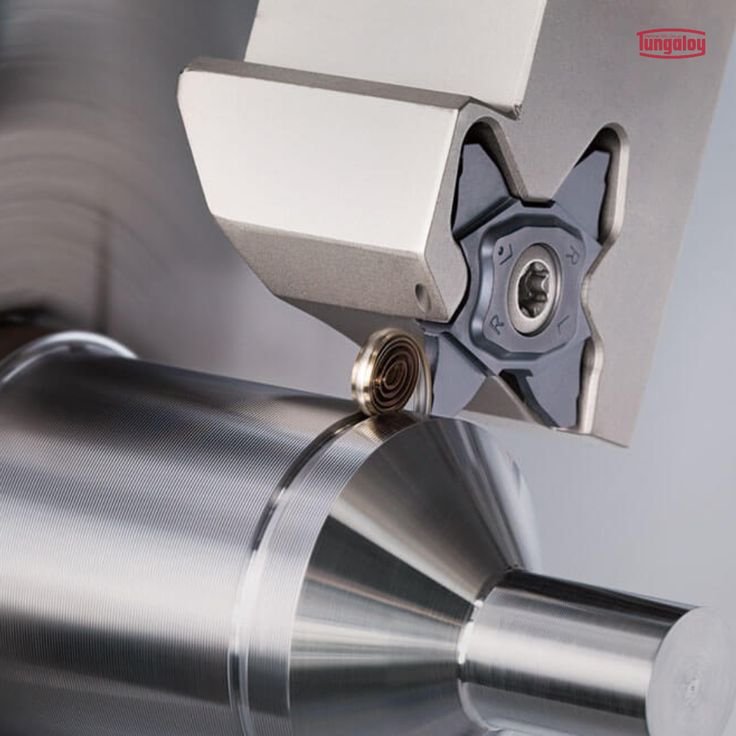
Modern manufacturing continues to demand higher precision, better performance, and more advanced surface properties. Many products require functional layers that are only a few nanometers or micrometers thick but can significantly improve durability, optical performance, or electrical characteristics.
Vacuum deposition is one of the key technologies used to create these thin functional layers. By depositing materials onto a substrate inside a controlled vacuum environment, manufacturers can achieve precise and uniform coatings for applications ranging from optical components and electronics to industrial tools.
Unlike traditional surface treatment methods, vacuum deposition provides better control over film thickness, material structure, and coating performance, making it an important technology in advanced manufacturing.
For industries requiring precision thin film technologies, SRNC Vacuum Coating Solutions provides coating solutions related to optical components, functional films, and advanced surface treatment applications.
What Is Vacuum Deposition?
Vacuum deposition is a process that creates a thin film layer by depositing material atoms or molecules onto a substrate surface inside a vacuum chamber.
During the process, the coating material is converted into a vapor, plasma, or ionized state. These particles then move through the vacuum environment and gradually form a thin layer on the target surface.
The vacuum environment plays an important role because it reduces interference from air molecules and contaminants. This allows coating particles to move more freely and create a more consistent film structure.
Vacuum deposition is widely used for materials such as:
- Metals
- Metal alloys
- Oxides
- Nitrides
- Ceramic materials
Different materials and deposition methods can provide different properties, including improved hardness, optical control, conductivity, and protection.
How Does the Vacuum Deposition Process Work?
Although different deposition technologies have their own characteristics, the general process includes several important stages.
1. Substrate Preparation
Before deposition begins, the substrate surface must be carefully prepared.
Surface cleanliness directly affects coating adhesion and quality. Dust, oil, moisture, or other contaminants may create defects or reduce the durability of the deposited film.
Depending on the material, substrates may include:
- Optical glass
- Metal components
- Semiconductor materials
- Ceramic parts
- Plastic components
Proper cleaning and preparation help create a stable foundation for the thin film layer.
2. Vacuum Chamber Preparation
After preparation, components are placed inside a vacuum deposition chamber.
The chamber is then evacuated to remove air and create a low-pressure environment. This step allows deposition particles to travel from the source material to the substrate with fewer collisions.
The vacuum level and process conditions vary depending on the coating method and application requirements.
3. Material Deposition
The main stage of vacuum deposition involves transferring coating materials onto the substrate.
Several technologies are commonly used.
Evaporation Deposition
In evaporation deposition, the source material is heated until it becomes vapor. The vapor then moves through the vacuum chamber and condenses on the substrate surface.
This method is commonly used for:
- Optical coatings
- Reflective films
- Decorative coatings
Sputtering Deposition
Sputtering uses energetic ions to remove atoms from a target material. These atoms are then deposited onto the substrate to form a thin film.
Sputtering is widely used because it provides good coating uniformity and can process various materials.
Applications include:
- Display components
- Optical filters
- Electronic devices
Physical Vapor Deposition (PVD)
PVD is a broader category of vacuum deposition technologies that use physical processes to create thin films.
PVD coatings are often applied to improve:
- Wear resistance
- Surface hardness
- Corrosion resistance
This makes PVD popular in industries such as tooling, automotive parts, and precision manufacturing.
Applications of Vacuum Deposition Technology
Optical Coating Applications
Optical industries rely heavily on vacuum deposition because precise control of thin films is essential for controlling light behavior.
Applications include:
- Camera lenses
- Optical windows
- Sensors
- Laser components
- Imaging systems
Different coating designs can reduce reflection, improve transmission, or provide protective functions.
For example, anti-reflective coatings are created by controlling the thickness and material structure of deposited layers to improve optical performance.
Consumer Electronics Industry
Many modern electronic products use vacuum deposition technology.
Examples include:
- Smartphone camera modules
- Display components
- Touch panels
- Electronic sensors
Vacuum deposition allows manufacturers to add functional coatings without significantly changing the size or shape of components.
Semiconductor and Electronic Components
Thin film deposition is essential in semiconductor manufacturing and electronic component production.
Deposited layers can provide functions such as:
- Electrical conductivity
- Insulation
- Protection
- Signal control
As electronic devices become smaller and more powerful, precise deposition technologies become increasingly important.
Industrial Tools and Components
Vacuum deposition is also widely used for industrial applications.
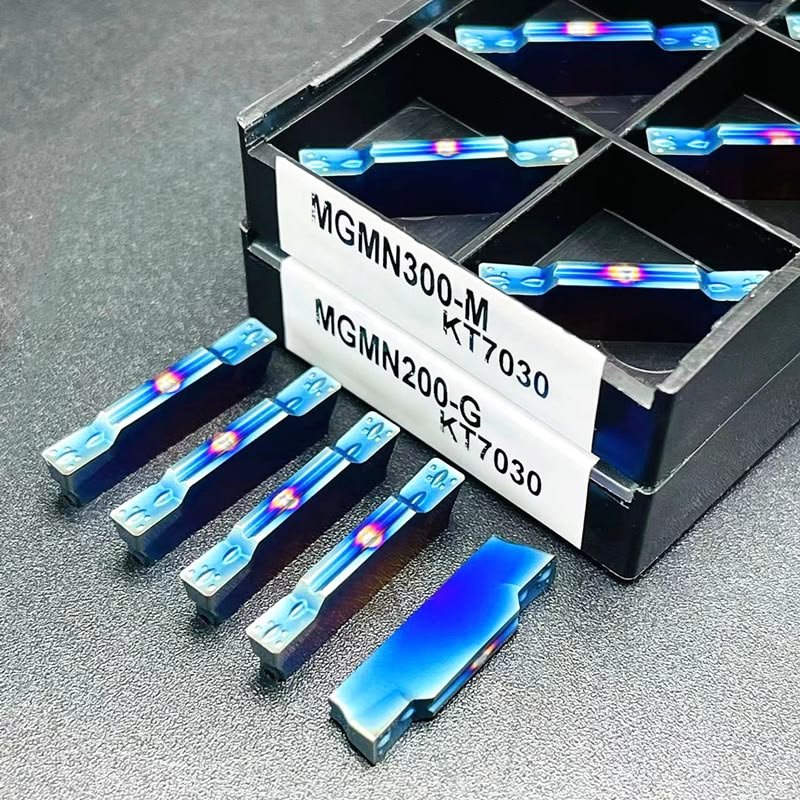
Hard coatings created through PVD processes can improve the performance of:
- Cutting tools
- Molds
- Mechanical components
These coatings help reduce wear and extend service life under demanding working conditions.
Advantages of Vacuum Deposition
Vacuum deposition technology provides several important advantages compared with conventional coating methods.
Precise Film Thickness Control
Manufacturers can control deposited layer thickness accurately, which is especially important for optical and electronic applications.
High Coating Quality
The controlled vacuum environment helps reduce contamination and improves film consistency.
Wide Material Selection
Different coating materials can be combined to achieve specific performance requirements.
Suitable for Precision Components
Because the deposited layer is extremely thin, vacuum deposition can improve surface properties while maintaining component dimensions.
Vacuum Deposition and Future Manufacturing
As industries move toward miniaturization and higher performance, thin film technologies will continue to play an important role.
The demand for advanced optical devices, smart electronics, and precision components is increasing, creating more opportunities for vacuum deposition applications.
Future developments will focus on improving deposition efficiency, coating durability, and process control to meet increasingly complex manufacturing requirements.
Conclusion
Vacuum deposition is a fundamental technology for producing advanced thin film coatings. Through controlled material deposition in a vacuum environment, manufacturers can improve optical performance, durability, electrical properties, and surface functionality.
From optical components and consumer electronics to industrial applications, vacuum deposition provides a reliable method for creating high-performance coatings.
For more information about thin film and coating technologies, SRNC Thin Film Coating Technology offers insights into advanced coating applications and surface treatment solutions.