

PVD Coating: Advanced Physical Vapor Deposition Technology for Precision Components
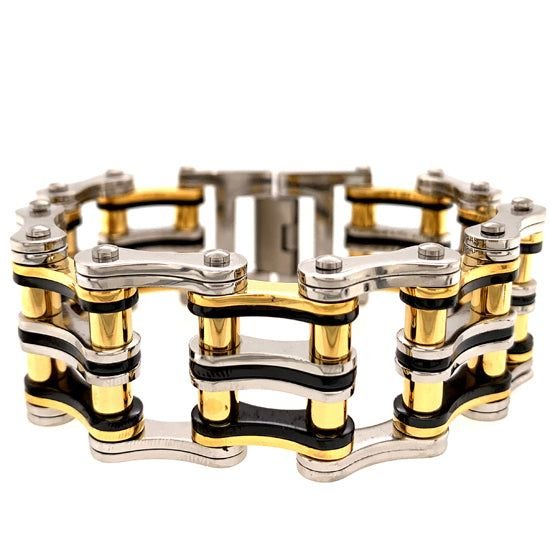
Modern manufacturing industries require advanced surface treatment technologies to improve component performance, durability, and appearance.
PVD coating (Physical Vapor Deposition coating) is one of the most widely used advanced coating technologies for creating thin, durable, and functional surface layers on different materials.
By depositing metals, ceramics, and compound materials onto component surfaces inside a controlled vacuum environment, PVD coating can significantly improve:
- Wear resistance
- Surface hardness
- Corrosion resistance
- Decorative appearance
- Functional performance
Today, PVD coating technology is widely used in:
- Precision components
- Optical applications
- Consumer electronics
- Industrial parts
- Decorative surfaces
- Tooling applications
What Is PVD Coating?
PVD coating is an advanced vacuum coating technology that uses physical processes to deposit a thin coating layer onto a substrate surface.
During the PVD coating process, solid coating materials are transformed into vaporized particles inside a vacuum chamber.
These particles then travel through the vacuum environment and form a thin film layer on the customer-supplied component.
Compared with traditional surface treatments, PVD coating provides:
- Precise coating thickness control
- Excellent surface uniformity
- Strong adhesion
- High-performance surface properties
How Does PVD Coating Work?
The PVD coating process generally includes several important steps.
1. Component Cleaning and Preparation
Before coating, components must be carefully cleaned.
Surface preparation removes:
- Oil
- Dust
- Contamination
- Processing residues
A clean surface improves:
- Coating adhesion
- Surface quality
- Long-term performance
2. Vacuum Chamber Preparation
The components are placed inside a PVD vacuum chamber.
The chamber is evacuated to create a controlled environment.
This allows:
- Cleaner deposition
- Better coating purity
- More precise process control
3. Target Material Vaporization
During the PVD process, coating materials are converted into vapor or ionized particles.
Common coating materials include:
- Titanium
- Chromium
- Aluminum
- Zirconium
- Carbon-based materials
4. Thin Film Deposition
The vaporized particles are deposited onto the component surface.
Through controlled deposition, manufacturers can create coatings with specific:
- Thickness
- Hardness
- Color
- Functional properties
Common Types of PVD Coatings
Titanium Nitride (TiN) Coating
TiN is one of the most recognized PVD coatings.
Characteristics:
- Gold appearance
- Good hardness
- Wear resistance
Applications:
- Industrial tools
- Decorative components
- Precision parts
Chromium Nitride (CrN) Coating
CrN provides:
- Good corrosion resistance
- High surface hardness
- Smooth surface finish
Applications:
- Mechanical components
- Industrial parts
Titanium Carbon Nitride (TiCN) Coating
TiCN offers:
- Higher hardness
- Reduced friction
- Improved wear performance
Applications:
- Precision tools
- High-performance components
Aluminum Titanium Nitride (AlTiN) Coating
AlTiN is designed for demanding applications requiring:
- High temperature resistance
- Excellent wear protection
Advantages of PVD Coating
High Wear Resistance
One of the biggest advantages of PVD coating is improved resistance against:
- Friction
- Abrasion
- Surface damage
This makes PVD suitable for components requiring long service life.
Improved Surface Hardness
PVD coatings can significantly enhance surface hardness without changing the original dimensions of components.
This is important for:
- Precision parts
- Industrial components
- Functional surfaces
Excellent Decorative Finishes
Besides functional performance, PVD coating can provide attractive finishes.
Common applications include:
- Consumer electronics
- Decorative metal parts
- Premium hardware
Benefits:
- Stable appearance
- High-quality surface finish
- Better durability compared with traditional decorative coatings
Environmentally Friendly Process
Compared with traditional electroplating processes, PVD coating uses a vacuum-based deposition method and generally produces less chemical waste.
This makes it an attractive option for companies seeking advanced surface treatment solutions.
PVD Coating Applications
Consumer Electronics Coating
PVD coating is widely used for electronic components requiring premium appearance and durability.
Applications include:
- Electronic housings
- Decorative metal parts
- Device components
Benefits:
- Scratch resistance
- Premium appearance
- Surface protection
Optical Components
PVD and vacuum coating technologies support optical applications.
Examples:
- Optical glass
- Camera-related components
- Precision surfaces
Benefits:
- Functional surface improvement
- Reflection control
- Enhanced performance
Industrial Components
PVD coating is used for:
- Precision mechanical parts
- Machine components
- Wear-resistant surfaces
Benefits:
- Improved durability
- Reduced surface wear
Cutting Tools
PVD coating is commonly applied to:
- Milling tools
- Drill components
- Cutting tools
Benefits:
- Increased tool life
- Reduced friction
- Better performance
PVD Coating vs Other Surface Treatments
PVD Coating vs Electroplating
| Feature | PVD Coating | Electroplating |
|---|---|---|
| Process | Vacuum deposition | Chemical/electrical deposition |
| Coating thickness | Thin and precise | Usually thicker |
| Hardness | High | Depends on material |
| Chemical usage | Lower | Requires plating solutions |
| Applications | Precision and functional parts | Metal finishing and protection |
PVD Coating vs CVD Coating
| Feature | PVD | CVD |
|---|---|---|
| Deposition method | Physical process | Chemical reaction |
| Temperature | Generally lower | Usually higher |
| Application | Precision components | Industrial coatings |
| Material compatibility | Wide range | Specific applications |
PVD Coating Processing for Customer-Supplied Components
At SRNC, we specialize in professional PVD coating processing for customer-supplied components.
Our service model:
Customer provides components → SRNC performs customized PVD coating treatment.
We do not manufacture:
- Finished electronic products
- Cutting tools
- Metal components
Instead, we focus on applying advanced PVD coating solutions to improve:
- Surface durability
- Appearance
- Functional performance
- Wear resistance
Our coating processing capabilities support:
- Electronic product components
- Optical-related parts
- Precision metal components
- Industrial applications
- Decorative surfaces
Factors Affecting PVD Coating Quality
Several factors influence final coating performance.
Substrate Material
Different materials require different coating solutions.
Examples:
- Stainless steel
- Aluminum
- Glass
- Ceramic
- Sapphire
Surface Preparation
A properly prepared surface improves:
- Adhesion
- Uniformity
- Coating reliability
Coating Design
Important factors include:
- Material selection
- Layer structure
- Thickness requirements

Future Trends of PVD Coating Technology
PVD coating continues to develop as industries demand higher-performance surfaces.
Future trends include:
- Multi-layer coatings
- Functional thin films
- Optical PVD coatings
- Decorative applications
- More sustainable coating solutions
PVD technology will continue supporting innovation in:
- Electronics
- Optics
- Precision manufacturing
- Industrial engineering
Conclusion
PVD coating is an advanced surface treatment technology that improves component performance through precise thin-film deposition.
With advantages including high hardness, wear resistance, excellent appearance, and functional customization, PVD coating has become an important solution for modern manufacturing industries.
For companies seeking professional coating services, SRNC provides customized PVD coating processing for customer-supplied components, helping manufacturers improve surface performance while maintaining original component specifications.