

Vacuum Coating Technology: Advanced Thin Film Solutions for Optical, Electronic, and Industrial Applications
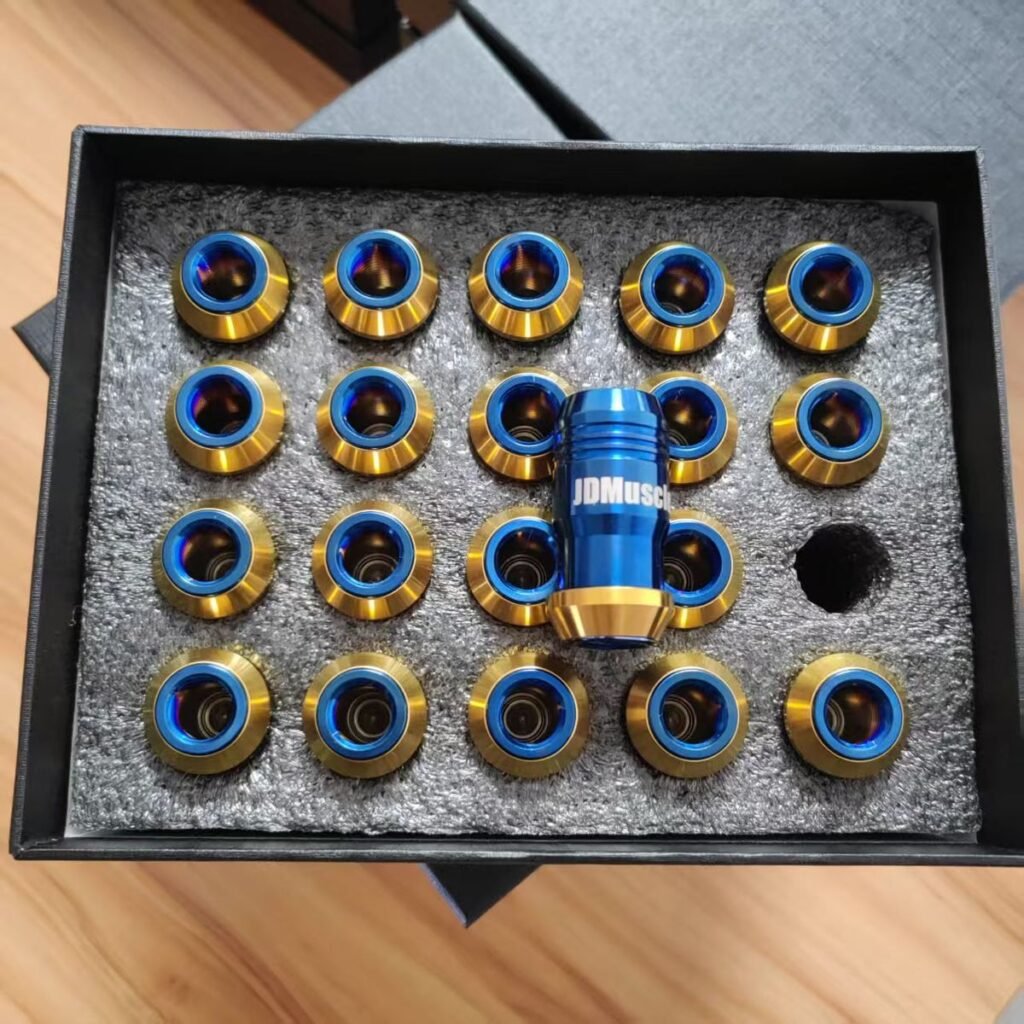
Modern manufacturing industries increasingly rely on advanced surface technologies to improve product performance, durability, and functionality.
Among these technologies, vacuum coating technology has become one of the most important methods for creating high-performance thin-film coatings on precision components.
By depositing extremely thin layers of metals, ceramics, and other materials inside a controlled vacuum environment, manufacturers can enhance surface properties while maintaining the original dimensions and precision of the component.
Vacuum coating technology is widely used in industries including:
- Optical manufacturing
- Consumer electronics
- Display technology
- Precision engineering
- Industrial components
For companies requiring improved surface performance, vacuum coating provides a flexible and highly controlled solution.
What Is Vacuum Coating Technology?
Vacuum coating technology is an advanced surface treatment method that applies a thin coating layer onto a component inside a vacuum chamber.
Unlike traditional coating processes that use liquid solutions, vacuum coating uses a controlled vacuum environment to deposit materials at the atomic or molecular level.
The process enables manufacturers to achieve:
- High coating purity
- Excellent uniformity
- Precise thickness control
- Advanced functional properties
Depending on the application, vacuum coating can improve:
- Optical performance
- Surface durability
- Wear resistance
- Appearance
- Functional characteristics
How Vacuum Coating Technology Works
The vacuum coating process generally includes several important stages.
1. Surface Preparation
Before coating, components require careful cleaning and preparation.
The surface must be free from:
- Dust
- Oil
- Contaminants
- Processing residues
Proper preparation improves:
- Coating adhesion
- Surface uniformity
- Long-term reliability
2. Vacuum Chamber Preparation
The components are placed inside a specialized vacuum chamber.
Air is removed to create a controlled low-pressure environment.
This environment helps:
- Reduce contamination
- Improve coating purity
- Control material movement
3. Coating Material Activation
The coating material is transformed into a vapor, plasma, or ionized state.
Common methods include:
- Physical Vapor Deposition (PVD)
- Sputtering
- Vacuum evaporation
- Ion plating
4. Thin Film Deposition
Activated coating particles travel through the vacuum environment and attach to the component surface.
Layer by layer, a thin coating film is formed.
The final coating performance depends on:
- Material selection
- Layer structure
- Thickness control
- Process parameters
Main Types of Vacuum Coating Technology
PVD Vacuum Coating Technology
Physical Vapor Deposition (PVD) is one of the most widely used vacuum coating technologies.
PVD creates thin coatings through physical vaporization and deposition processes.
Common PVD coatings include:
- Titanium Nitride (TiN)
- Chromium Nitride (CrN)
- Titanium Carbon Nitride (TiCN)
- Aluminum Titanium Nitride (AlTiN)
Applications:
- Cutting tools
- Precision components
- Electronic parts
- Decorative surfaces
Advantages:
- High hardness
- Wear resistance
- Excellent surface finish
- Precise coating control
Optical Vacuum Coating Technology
Optical vacuum coating focuses on controlling how light interacts with surfaces.
Applications include:
- Optical glass
- Camera lenses
- Display components
- Sapphire components
- Quartz components
Functions include:
- Anti-reflective coating
- Reflection control
- Light transmission improvement
Sputtering Technology
Sputtering is a vacuum deposition technology that uses plasma energy to remove atoms from a target material.
Advantages:
- Excellent uniformity
- Precise thin-film control
- Suitable for advanced optical and electronic applications
Advantages of Vacuum Coating Technology
Precise Surface Engineering
Vacuum coating allows manufacturers to customize:
- Coating thickness
- Material composition
- Layer structure
This makes it suitable for demanding applications.
Improved Surface Performance
Depending on coating materials, vacuum coatings can provide:
- Higher wear resistance
- Better optical performance
- Enhanced durability
- Functional surface properties
Better Appearance Quality
Vacuum coating technology can create consistent premium finishes.
Applications include:
- Consumer electronics
- Decorative components
- High-end products
Wide Material Compatibility
Vacuum coating can be applied to different substrates, including:
- Glass
- Metal
- Ceramic
- Sapphire
- Quartz
Applications of Vacuum Coating Technology
Optical Industry
Vacuum coating is widely used in optical applications.
Examples:
- Camera lens coating
- Optical windows
- Precision glass components
Benefits:
- Reduced reflection
- Improved transmission
- Better optical performance
Consumer Electronics
Modern electronic products require advanced surface treatment.
Applications include:
- Smartphone components
- Display glass
- Electronic housings
- Wearable device parts
Benefits:
- Premium appearance
- Surface protection
- Functional enhancement
Industrial Components
Vacuum coating supports demanding industrial applications.
Examples:
- Precision parts
- Machine components
- Tooling components
Benefits:
- Improved durability
- Reduced wear
- Extended service life
Vacuum Coating Technology vs Traditional Coating Methods
| Feature | Vacuum Coating Technology | Traditional Coating |
|---|---|---|
| Processing environment | Vacuum chamber | Liquid or chemical environment |
| Coating control | High precision | General control |
| Layer thickness | Thin film | Usually thicker |
| Material options | Metals, ceramics, compounds | Mainly liquid-based materials |
| Applications | Advanced components | General protection and decoration |
Vacuum Coating Technology for Customer-Supplied Components
At SRNC, we specialize in advanced surface coating processing for customer-supplied components.
Our service model is simple:
Customer provides components → SRNC performs professional coating processing.
We do not manufacture:
- Optical products
- Electronic devices
- Glass products
- Industrial components
Instead, we focus on applying customized coating solutions to improve:
- Optical performance
- Surface durability
- Functional properties
- Product appearance
Our vacuum coating technology supports applications including:
- Optical components
- Electronic product parts
- Glass and crystal materials
- Precision metal components
- Functional surface enhancement projects
Factors Affecting Vacuum Coating Quality
Several factors determine final coating performance:
Substrate Material
Different materials require different coating solutions.
Examples:
- Glass
- Sapphire
- Quartz
- Metal
- Ceramic
Coating Design
Important factors include:
- Material selection
- Layer structure
- Thickness requirements
Process Control
Stable control of:
- Vacuum conditions
- Temperature
- Deposition parameters
is essential for consistent quality.
Future Development of Vacuum Coating Technology
Vacuum coating technology continues to advance as industries demand higher-performance surfaces.
Future trends include:
- Multi-layer thin films
- Advanced optical coatings
- Functional surface engineering
- Environment-friendly processes
- Customized coating solutions
These developments will continue supporting:
- Electronics
- Optics
- Precision manufacturing
- Industrial engineering
Conclusion
Vacuum coating technology is a key surface engineering solution that enables manufacturers to improve the performance, appearance, and functionality of precision components.
Through controlled thin-film deposition in a vacuum environment, manufacturers can achieve advanced surface properties for optical, electronic, and industrial applications.
For companies requiring professional coating processing services, SRNC provides customized vacuum coating solutions for customer-supplied components, helping customers achieve reliable coating performance while maintaining component accuracy.