

Ceramic Coating Solutions for Enhanced Wear Resistance and Surface Protection
Modern manufacturing industries increasingly require components that can withstand harsh operating conditions while maintaining stable performance over long periods.
Mechanical wear, friction, high temperatures, and chemical exposure can significantly affect component service life. To address these challenges, manufacturers often rely on advanced ceramic coating technologies to improve surface durability and functional performance.
Ceramic coatings provide a protective surface layer that enhances the properties of existing components without changing their original design or dimensions.
From precision industrial parts to electronic components and high-performance tools, ceramic coating technology plays an important role in modern surface engineering.
What Is Ceramic Coating?
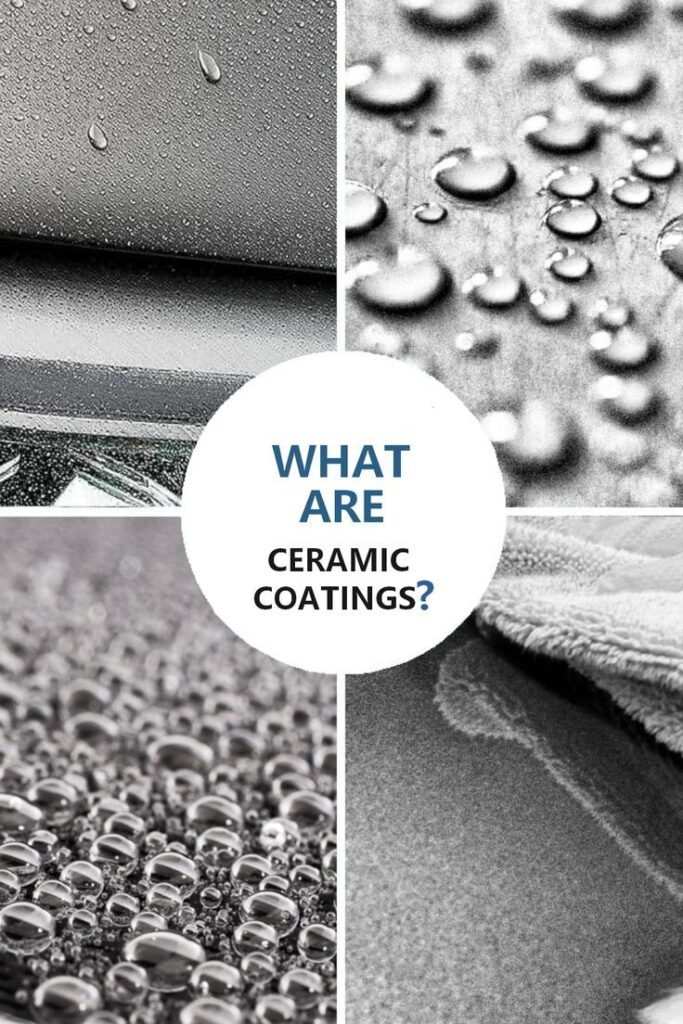
Ceramic coating is an advanced surface treatment process that applies a thin ceramic-based layer onto the surface of a component.
Unlike traditional bulk ceramic materials, ceramic coatings create a functional surface layer while maintaining the original properties of the base material.
Depending on the application, ceramic coatings can provide:
- Improved wear resistance
- Higher surface hardness
- Reduced friction
- Thermal protection
- Chemical resistance
- Extended component life
The final coating structure depends on the material, operating environment, and performance requirements of the component.
Why Components Need Ceramic Coating
Many industrial and electronic components operate under demanding conditions where conventional surfaces may experience premature wear.
Common challenges include:
- Continuous friction
- Mechanical contact
- High operating temperatures
- Corrosive environments
- Repeated production cycles
Without suitable surface protection, components may suffer from:
- Reduced service life
- Increased maintenance requirements
- Performance degradation
Ceramic coating provides an effective way to enhance surface properties while maintaining component accuracy.
Common Applications of Ceramic Coating
Cutting Tools and Industrial Tools
Ceramic coatings are widely used in precision machining applications.
Applications include:
- Milling tools
- Drilling tools
- Cutting inserts
- Industrial tooling components
Benefits include:
- Improved wear resistance
- Reduced friction
- Longer tool performance
- Better machining stability
Electronic Components
Electronic products often require surfaces that combine durability and functional performance.
Ceramic coating applications may include:
- Precision metal components
- Electronic housings
- Functional parts
- Wear-sensitive components
Coatings help improve:
- Surface protection
- Environmental resistance
- Long-term reliability
Precision Mechanical Components
Many industrial components require additional protection against mechanical stress.
Applications include:
- Machine parts
- Precision hardware
- Industrial equipment components
Ceramic coatings help improve resistance against wear and harsh operating conditions.
Benefits of Ceramic Coating
Excellent Wear Resistance
One of the primary advantages of ceramic coatings is their ability to protect surfaces from abrasion and mechanical wear.
This makes them suitable for components exposed to repeated contact and friction.
Improved Surface Hardness
Ceramic coatings can significantly improve surface hardness, helping components maintain performance under demanding conditions.
Reduced Friction
Certain ceramic coating systems reduce friction between contacting surfaces, improving efficiency and reducing surface damage.
Thermal and Chemical Protection
Ceramic coatings can provide additional protection in environments involving:
- Heat exposure
- Chemical contact
- Industrial processing conditions
Types of Ceramic Coating Solutions
Wear Resistant Ceramic Coating
Designed for applications requiring improved hardness and durability.
Common uses:
- Cutting tools
- Industrial components
- Precision parts
Thermal Resistant Ceramic Coating
Used in applications where components experience elevated temperatures.
Functional Ceramic Coating
Developed for applications requiring specific surface characteristics, such as friction reduction or environmental protection.
Factors to Consider When Selecting Ceramic Coating
Choosing the right ceramic coating requires understanding the complete application environment.
Important factors include:
- Base material
- Operating temperature
- Mechanical load
- Required hardness
- Friction requirements
- Surface specifications
- Production conditions
A suitable coating solution should match the customer’s component requirements rather than applying a standard coating to every application.
Ceramic Coating Processing for Customer-Supplied Components
Many manufacturers produce their own precision components but require specialized coating processing to improve surface performance.
At SRNC, we specialize in advanced surface coating processing for customer-supplied components.
We do not manufacture ceramic parts, cutting tools, or finished products. Instead, customers provide their own components, and SRNC applies customized coating solutions designed to improve wear resistance, surface durability, and functional performance.
Our coating processing services support applications including:
- Precision metal components
- Industrial tooling parts
- Electronic-related components
- Wear-resistant applications
- Functional surface enhancement projects
By focusing on coating technology, SRNC helps customers achieve consistent surface performance while maintaining the original precision requirements of their components.
Future Trends in Ceramic Coating Technology
As industries continue to demand higher efficiency and longer component life, ceramic coating technologies are evolving toward more advanced solutions.
Future developments will focus on:
- Higher wear resistance
- Lower friction performance
- Improved thermal stability
- Multifunctional surface properties
- Greater application flexibility
These advancements will continue supporting industries including manufacturing, electronics, automation, and precision engineering.
Conclusion
Ceramic coating is an important surface engineering technology that helps manufacturers improve component durability, wear resistance, and long-term performance.
By applying advanced ceramic coatings to customer-supplied components, manufacturers can enhance surface properties while maintaining the original design and precision requirements.
For companies seeking professional coating processing services, SRNC provides customized surface coating solutions developed according to specific application requirements.