

Hard Coating for Glass: Enhancing Smartphone Back Panels with Lasting Protection and Premium Finishes
Glass has become the preferred material for premium smartphone back panels thanks to its elegant appearance, wireless charging compatibility, and high-end feel. However, untreated glass surfaces are vulnerable to scratches, fingerprints, and everyday wear. To overcome these challenges, manufacturers increasingly adopt hard coating for glass to improve durability while preserving the beauty of the device.
Using advanced vacuum coating technology, hard coatings create an ultra-thin protective layer that strengthens glass surfaces without affecting transparency, color, or texture. The result is a smartphone back panel that resists scratches, maintains its original finish, and delivers a premium tactile experience throughout the product’s lifecycle.
What Is Hard Coating for Glass?
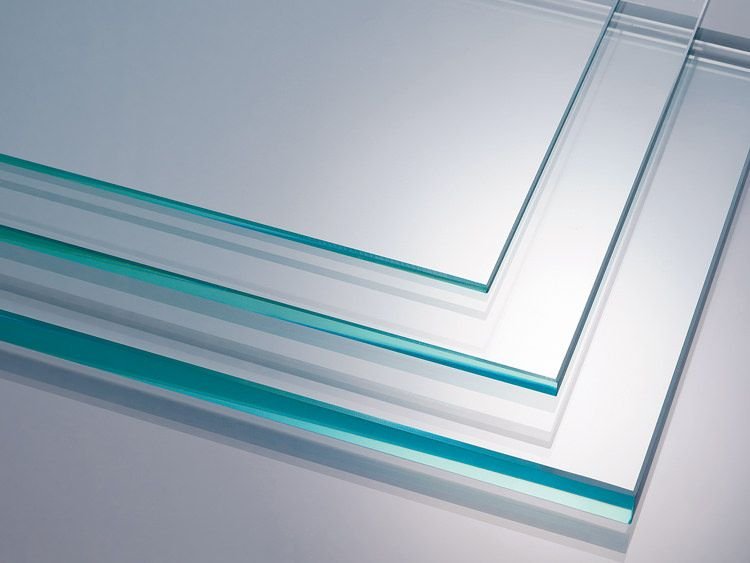
Hard coating for glass is a thin protective film deposited onto glass surfaces using precision vacuum coating processes. The coating significantly increases surface hardness while maintaining the smooth appearance and optical quality of the glass.
For smartphone manufacturers, hard coating provides an ideal balance between aesthetics and durability. It can be applied to:
- Smartphone glass back panels
- Decorative glass covers
- Smartwatch glass housings
- Tablet rear covers
- Consumer electronic glass components
- Smart home device panels
Because the coating is extremely thin, it preserves the original design while providing long-lasting surface protection.
Benefits of Hard Coating for Glass
Excellent Scratch Resistance
Daily contact with keys, coins, and other abrasive objects can easily damage glass surfaces. Hard coating greatly reduces visible scratches, helping smartphones retain their premium appearance.
Superior Wear Resistance
Repeated handling gradually wears untreated glass. Hard coating protects the surface from abrasion, ensuring long-term durability.
Premium Decorative Appearance
Glass remains one of the most attractive materials for consumer electronics. Hard coating helps maintain decorative finishes such as:
- Matte glass
- Frosted textures
- Satin finishes
- Gradient colors
- Metallic effects
These finishes remain consistent even after prolonged use.
Improved Resistance to Fingerprints
Hard coating can be combined with anti-fingerprint surface treatments, reducing smudges and making devices easier to clean.
Advanced Vacuum Coating Technology
Precision Thin-Film Deposition
Modern hard coatings are produced using advanced vacuum technologies, including:
- Magnetron sputtering
- Plasma-enhanced deposition
- Multi-layer thin-film coating
These processes ensure:
- Uniform coating thickness
- Strong adhesion
- Excellent production consistency
- High manufacturing efficiency
Long-Term Surface Stability
Vacuum-deposited coatings provide reliable protection while maintaining the original appearance of glass throughout years of everyday use.
Applications Across Consumer Electronics
Smartphone Back Panels
One of the primary applications of hard coating for glass is premium smartphone back panels.
Manufacturers looking to improve scratch resistance while creating elegant matte or textured finishes often choose Texture Coating for Cell Phone Back Panel. This advanced coating solution enhances both durability and visual appeal, helping brands create premium smartphones with distinctive surface textures.
Tablets and Laptop Covers
Large glass surfaces used in tablets and premium notebooks benefit from hard coatings that resist scratches while maintaining an attractive finish.
Wearable Devices
Smartwatches and wearable electronics require durable glass housings capable of withstanding continuous daily contact.
Smart Home Products
Glass control panels used in smart appliances and home automation systems benefit from improved wear resistance and easier maintenance.
Combining Decorative and Functional Coatings
Modern smartphones rely on multiple coating technologies to optimize different components.
While hard coatings protect exterior glass surfaces, Functional Coating for Cell Phone Camera enhances camera performance by improving light transmission and reducing reflections for mobile imaging systems.
Manufacturers seeking complete vacuum coating solutions can integrate decorative, protective, and optical coatings into one efficient production process, ensuring consistent product quality across multiple components.
Choosing the Right Hard Coating Partner
Selecting the right coating supplier is critical for achieving consistent product quality.
Industry Experience
Choose a supplier with expertise in:
- Smartphone manufacturing
- Decorative vacuum coating
- Glass surface treatment
- Consumer electronics
Advanced Manufacturing Equipment
Reliable manufacturers utilize automated vacuum coating systems capable of producing highly consistent coatings for mass production.
Quality Assurance
Comprehensive testing typically includes:
- Scratch resistance testing
- Surface hardness measurement
- Abrasion testing
- Adhesion testing
- Environmental durability evaluation
- Appearance inspection
Future Trends
As smartphone designs continue to evolve, demand for hard-coated glass surfaces continues to grow.
Future developments include:
- Ultra-matte glass finishes
- Anti-fingerprint coatings
- Self-cleaning surfaces
- Sustainable coating materials
- Personalized decorative textures
- Eco-friendly manufacturing technologies
These innovations will further enhance both durability and user experience for next-generation consumer electronics.
Industry Resources
For more information about advanced coating technologies, visit:
These organizations provide technical resources covering vacuum deposition, thin-film coatings, and advanced materials engineering.
Frequently Asked Questions
What is hard coating for glass?
Hard coating for glass is a vacuum-deposited protective layer that increases scratch resistance, improves wear performance, and enhances the durability of glass surfaces.
Why is hard coating used on smartphone back panels?
It protects glass from scratches, abrasion, fingerprints, and everyday wear while maintaining a premium appearance.
Can hard coating change the appearance of glass?
No. High-quality hard coatings preserve transparency, color, and decorative finishes while improving surface durability.
Which products benefit from hard coating for glass?
Smartphones, tablets, smartwatches, laptops, smart home devices, and decorative glass panels all benefit from hard coating technology.
Why choose vacuum coating for glass protection?
Vacuum coating provides excellent adhesion, precise thickness control, uniform quality, and environmentally friendly manufacturing, making it ideal for premium consumer electronics.
Conclusion
As premium smartphones continue to feature elegant glass back panels, hard coating for glass has become a key technology for balancing beauty with durability. By improving scratch resistance, wear protection, and decorative performance, hard coatings help manufacturers deliver devices that remain attractive throughout everyday use.
With advanced Texture Coating for Cell Phone Back Panel technology, together with Functional Coating for Cell Phone Camera and comprehensive vacuum coating solutions, manufacturers can create premium consumer electronics that combine sophisticated design, reliable protection, and long-lasting value.