

Optical Coating for Camera Lens: Improving Light Performance and Surface Durability
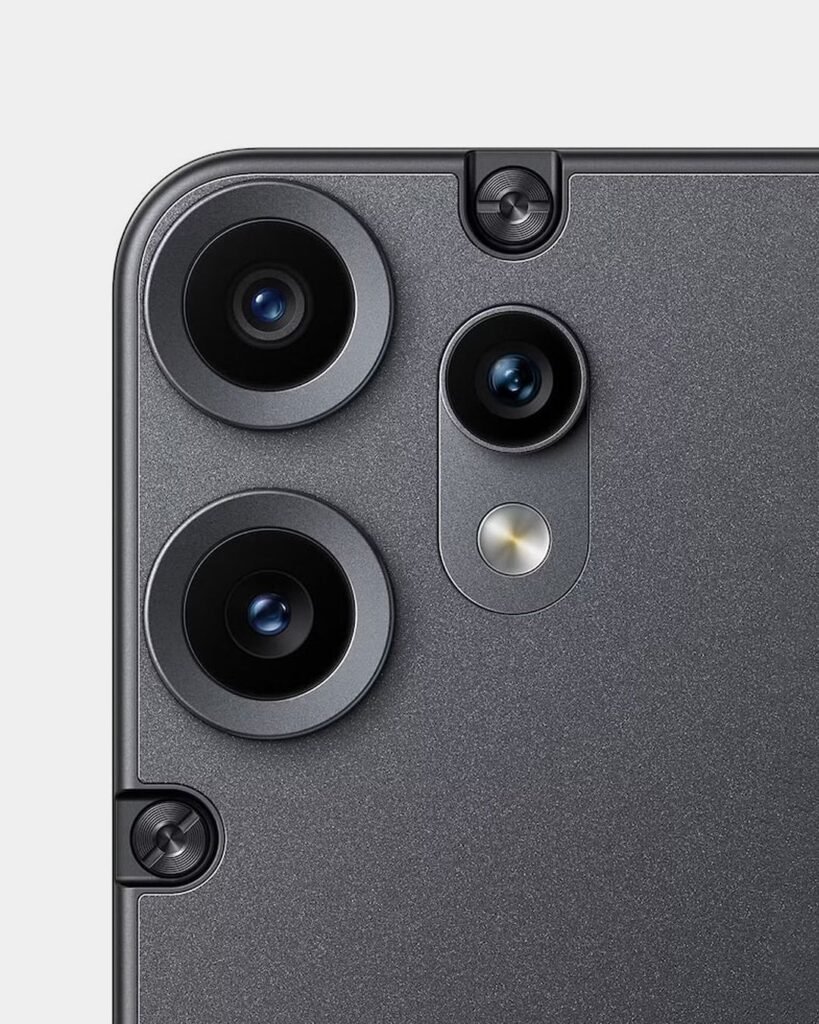
Camera lens technology continues to advance rapidly as manufacturers demand higher image quality, improved durability, and more reliable optical performance. From smartphones and digital cameras to industrial imaging systems, optical components must achieve precise light control while maintaining long-term surface protection.
Optical coating for camera lens applications has become an essential technology for improving lens performance. By applying carefully engineered thin-film layers to lens surfaces, manufacturers can reduce unwanted reflection, increase light transmission, and protect optical components from environmental exposure.
Unlike traditional surface treatments, optical coatings modify the interaction between light and the lens surface, allowing manufacturers to achieve better imaging performance without changing the original lens structure.
What Is Optical Coating for Camera Lens?
Optical coating for camera lens refers to a specialized thin-film surface treatment applied to lens elements to control light behavior and improve optical performance.
During the coating process, extremely thin layers of optical materials are deposited onto the lens surface using advanced vacuum coating technologies. These layers are precisely controlled to achieve specific optical characteristics.
Depending on the application requirements, camera lens coatings can provide:
- Reduced light reflection
- Improved light transmission
- Better image clarity
- Enhanced scratch resistance
- Increased surface protection
- Improved environmental stability
The coating design depends on the lens material, wavelength requirements, and intended application.
Why Camera Lenses Need Optical Coating
A camera lens must manage large amounts of incoming light while maintaining image accuracy. However, when light reaches the lens surface, part of the light may be reflected instead of passing through.
This reflection can cause:
- Reduced image brightness
- Lower contrast
- Glare and unwanted optical effects
- Reduced imaging performance
Advanced optical coatings help control these issues by optimizing the way light interacts with the lens surface.
For modern cameras, especially compact mobile camera systems, even small improvements in optical efficiency can significantly influence final image quality.
Common Applications of Camera Lens Optical Coating
Smartphone Camera Lens Coating
Modern smartphones rely on highly compact camera systems where optical performance must be achieved within limited space.
Optical coatings help improve:
- Image clarity
- Light transmission
- Reflection control
- Surface protection
These coatings are widely used in camera lens covers, optical windows, and related precision components.
Digital Camera and Imaging Equipment
Professional cameras and imaging systems require stable optical performance under different lighting conditions.
Optical coatings help maintain consistent image quality by controlling reflection and improving light efficiency.
Industrial and Medical Imaging Systems
Industrial inspection cameras and medical imaging equipment require high precision and reliability.
Optical coatings help protect sensitive lens surfaces while maintaining accurate optical performance.
Benefits of Optical Coating for Camera Lens
Improved Light Transmission
One of the primary purposes of optical coating is increasing the amount of useful light passing through the lens.
This helps improve image brightness and overall optical efficiency.
Reduced Reflection and Glare
Anti-reflective optical coatings minimize unwanted reflections, helping cameras produce clearer images with improved contrast.
Enhanced Surface Durability
Camera lenses are frequently exposed to dust, fingerprints, cleaning processes, and environmental conditions.
Protective coatings improve resistance against scratches and surface damage.
Longer Component Service Life
A durable coating layer helps maintain optical performance over time, reducing the risk of surface degradation.
Types of Optical Coatings Used for Camera Lenses
Different camera applications require different coating technologies.
Anti-Reflective Coating (AR Coating)
AR coatings are designed to reduce surface reflection and improve light transmission.
They are commonly used in:
- Camera lenses
- Optical windows
- Imaging components
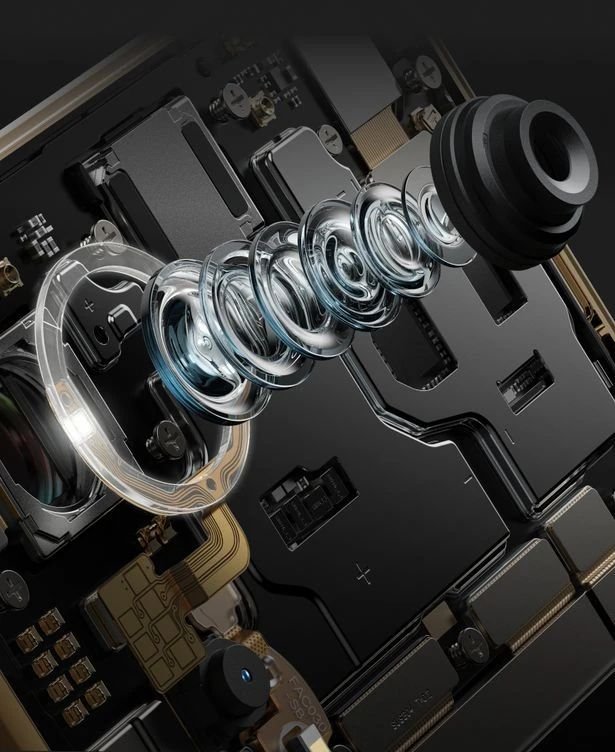
Multi-Layer Thin Film Optical Coating
Multi-layer coatings allow engineers to precisely control optical performance across different wavelengths.
These coatings are commonly used in high-performance optical applications.
Protective Functional Coating
Some camera lens applications require additional protection against:
- Scratches
- Fingerprints
- Contamination
- Environmental exposure
Functional coatings can combine optical performance with surface protection.
Factors to Consider When Selecting Camera Lens Coating
Choosing the right optical coating requires consideration of several factors:
- Lens material
- Optical wavelength range
- Required transmission performance
- Environmental conditions
- Mechanical durability
- Surface appearance
- Production requirements
A coating solution designed for smartphone cameras may differ significantly from one used in industrial optical systems.
Therefore, coating selection should always be based on the specific application requirements.
Optical Coating Processing for Customer-Supplied Camera Components
Many manufacturers produce their own optical components but require specialized coating processing before final assembly.
At SRNC, we specialize in advanced surface coating processing for customer-supplied components.
We do not manufacture camera lenses or optical products. Instead, customers provide their own components, and SRNC applies customized coating solutions designed to improve optical performance, surface durability, and functional characteristics.
Our coating processing services support applications including:
- Camera-related components
- Optical parts
- Consumer electronics components
- Precision metal components
- Decorative surfaces requiring advanced protection
By focusing on coating technology, SRNC helps customers achieve consistent surface performance while maintaining the original design requirements of their components.
Future Trends in Camera Lens Optical Coating
As camera systems continue to become smaller and more powerful, optical coating technology is evolving toward multifunctional solutions.
Future camera lens coatings are expected to combine:
- Anti-reflection performance
- Scratch resistance
- Anti-fingerprint properties
- Hydrophobic protection
- Improved environmental durability
These advanced coating systems will continue supporting innovation in smartphones, imaging devices, automotive cameras, and industrial vision technology.
Conclusion
Optical coating for camera lens applications plays an important role in improving image quality, protecting optical surfaces, and extending component life.
Through advanced thin-film and vacuum coating technologies, manufacturers can achieve better optical performance while maintaining precision and reliability.
For companies requiring professional coating processing for customer-supplied optical components, SRNC provides customized surface coating solutions designed according to specific technical requirements and application needs.
Frequently Asked Questions
What does optical coating do for a camera lens?
Optical coating improves light transmission, reduces reflection, enhances image quality, and protects the lens surface from environmental damage.
Are camera lens coatings only used for smartphones?
No. Optical coatings are used in smartphones, digital cameras, medical imaging systems, automotive cameras, and industrial optical equipment.
Can optical coatings improve lens durability?
Yes. Many optical coatings provide additional protection against scratches, contamination, and daily surface wear.
Does SRNC manufacture camera lenses?
No. SRNC specializes in coating processing for customer-supplied components. Customers provide their own optical or precision parts, and SRNC applies customized coating solutions to improve optical performance, durability, and surface quality.