

Phone Camera Coating Solutions for Improved Optical Performance and Surface Protection
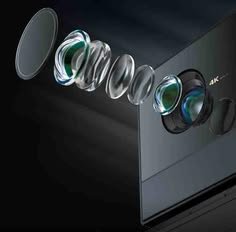
Smartphone cameras have become one of the most important features influencing product design and user experience. As mobile photography technology continues to advance, camera components require higher levels of optical performance, durability, and surface protection.
Modern phone camera coating technology helps manufacturers improve the performance and reliability of camera-related components by controlling light reflection, protecting surfaces, and enhancing resistance against daily wear.
From camera lens covers and decorative rings to precision optical components, advanced coating solutions play an important role in maintaining both appearance and functionality.
What Is Phone Camera Coating?
Phone camera coating refers to specialized surface treatment processes applied to smartphone camera-related components to improve optical characteristics and surface durability.
These coatings are typically developed using advanced thin-film and vacuum coating technologies, allowing manufacturers to create extremely thin and uniform layers without affecting the original dimensions of the component.
Depending on the application, phone camera coatings can provide:
- Reduced light reflection
- Improved optical clarity
- Enhanced scratch resistance
- Better surface durability
- Protection against fingerprints and contamination
- Improved appearance of camera components
The final coating design depends on the material, application requirements, and expected performance.
Why Camera Components Need Advanced Coatings
Smartphone camera modules operate in demanding environments where even small surface imperfections can influence image quality.
Camera components are exposed to:
- Frequent handling
- Dust and fingerprints
- Surface friction
- Environmental conditions
- Repeated cleaning
Without appropriate surface protection, camera components may experience reduced appearance quality or performance degradation over time.
Advanced coating technology helps manufacturers maintain reliable performance while improving the durability of visible camera surfaces.
Common Applications of Phone Camera Coating
Camera Lens Cover Coating
The camera lens cover is directly exposed to external conditions and requires excellent transparency, protection, and durability.
Specialized coatings can help improve:
- Scratch resistance
- Surface cleanliness
- Optical performance
- Long-term appearance
Camera Decorative Ring Coating
Modern smartphones often use decorative metal rings around camera modules to create a premium appearance.
Surface coatings help achieve:
- Premium metallic finishes
- Improved wear resistance
- Better color consistency
- Enhanced surface protection
Optical Window Coating
Certain camera-related optical components require precise surface treatment to control reflection and improve light transmission.
Thin-film optical coatings can optimize performance for advanced imaging applications.
Benefits of Phone Camera Coating
Improved Optical Performance
Optical coatings can reduce unwanted reflection and improve light transmission, helping camera systems achieve clearer and more accurate imaging performance.
Enhanced Scratch Resistance
Protective coatings help reduce surface damage caused by daily handling, cleaning, and contact with other objects.
Better Surface Appearance
Decorative coatings allow manufacturers to create premium finishes while maintaining consistent visual quality.
Increased Product Reliability
A stable coating layer helps protect sensitive components and supports longer product service life.
Types of Coatings Used for Phone Camera Components
Different camera applications require different coating functions.
Anti-Reflective Optical Coating
Designed to minimize reflection and improve light efficiency for optical components.
Wear Resistant Coating
Provides additional protection against scratches and repeated surface contact.
Anti-Fingerprint Coating
Reduces visible fingerprints and improves surface cleanliness.
Decorative Surface Coating
Creates premium finishes for visible camera components such as metal rings and housings.
The correct coating solution depends on the component material and the required performance characteristics.
Factors to Consider When Selecting Phone Camera Coating
Choosing the right coating requires careful consideration of:
- Component material
- Optical requirements
- Surface appearance
- Durability expectations
- Production consistency
- Final application environment
Because smartphone components require high precision, coating quality and process control are critical factors.
Professional Phone Camera Coating Processing for Customer-Supplied Components
Many smartphone component manufacturers produce camera-related parts but require specialized surface treatment before final assembly.
At SRNC, we specialize in advanced coating processing for customer-supplied components.
We do not manufacture smartphone cameras or camera components. Instead, customers provide their own parts, and SRNC applies customized coating solutions designed to improve optical performance, surface durability, and appearance.
Our coating processing capabilities support applications involving:
- Camera decorative rings
- Precision metal components
- Optical-related parts
- Consumer electronic components
- Decorative surfaces requiring advanced protection
By focusing on surface coating technology, SRNC helps customers achieve consistent coating results while maintaining the original precision and design requirements of their components.
Future Trends in Phone Camera Coating Technology
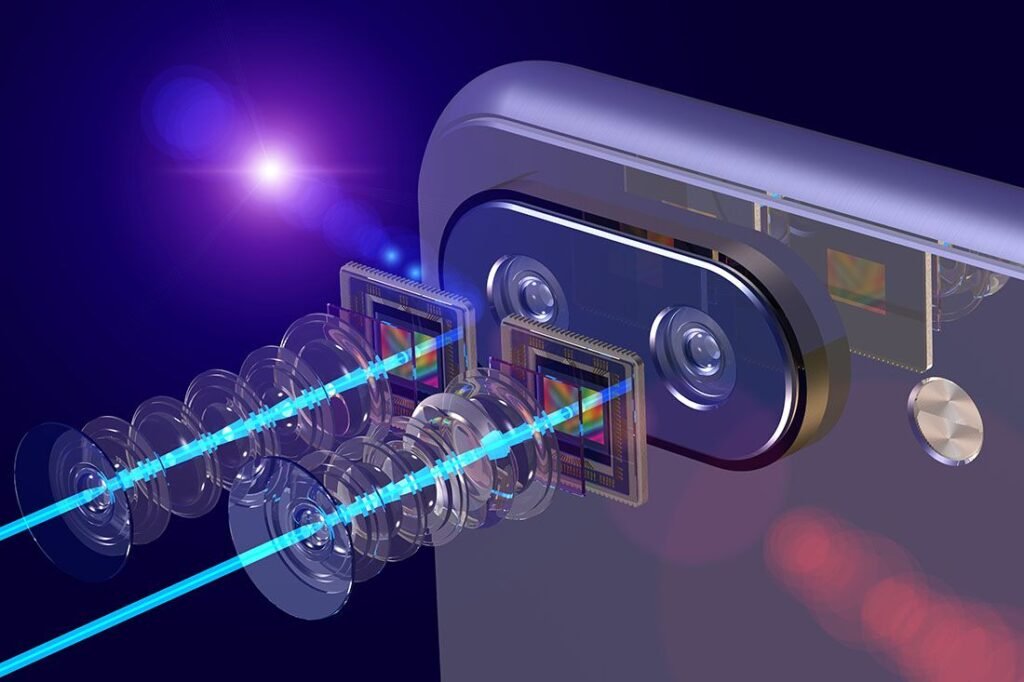
As smartphone cameras continue to develop with higher resolution, improved sensors, and more advanced imaging capabilities, coating requirements are also becoming more complex.
Future phone camera coating solutions will increasingly combine multiple functions:
- Anti-reflection performance
- Scratch resistance
- Fingerprint resistance
- Environmental protection
- Decorative appearance
Multifunctional coatings will continue to support the development of thinner, more powerful, and more durable mobile devices.
Conclusion
Phone camera coating has become an important part of modern smartphone manufacturing, helping improve optical performance, surface protection, and product appearance.
Through advanced coating technologies, manufacturers can enhance camera-related components while maintaining precise design requirements and long-term reliability.
For companies seeking professional coating processing for customer-supplied phone camera components, SRNC provides customized surface coating solutions designed around specific material requirements and performance goals.
Frequently Asked Questions
What components can receive phone camera coating?
Phone camera coating can be applied to camera lens covers, decorative camera rings, optical-related components, and precision metal parts used in smartphone camera assemblies.
Does phone camera coating affect image quality?
Properly designed optical coatings can improve light transmission and reduce unwanted reflection, helping maintain or improve imaging performance.
What coating technologies are used for phone cameras?
Common technologies include optical thin-film coating, vacuum coating, anti-reflective coating, wear-resistant coating, and decorative surface coating.
Does SRNC manufacture phone cameras?
No. SRNC specializes in surface coating processing for customer-supplied components. Customers provide their own camera-related parts, and SRNC applies customized coating solutions to improve optical performance, durability, and surface quality.