

Mobile Phone Coating Solutions for Enhanced Protection and Premium Surface Performance
Smartphones have become highly refined products where both appearance and durability play an important role in user experience. Modern mobile phone components must withstand daily handling while maintaining a premium appearance throughout their service life.
To meet these requirements, manufacturers increasingly rely on advanced mobile phone coating technologies to improve surface durability, decorative appearance, and functional performance.
From smartphone frames and back panels to camera rings and decorative metal components, specialized coatings allow manufacturers to enhance the quality of components without changing their original design or structure.
What Is Mobile Phone Coating?
Mobile phone coating refers to advanced surface treatment processes applied to smartphone-related components to improve their physical, decorative, and functional properties.
Depending on the application requirements, coatings can provide:
- Improved scratch resistance
- Enhanced wear protection
- Premium decorative finishes
- Better fingerprint resistance
- Increased surface durability
- Improved environmental protection
These coatings are usually applied as thin surface layers, allowing manufacturers to maintain the original dimensions and precision of the component.
Why Mobile Phone Components Need Advanced Coatings
Smartphones are frequently exposed to:
- Finger contact
- Friction during daily use
- Environmental moisture
- Minor impacts
- Chemical exposure from daily handling
Without proper surface protection, metal and decorative components may experience scratches, fingerprints, fading, or reduced visual quality.
A suitable coating solution helps manufacturers create products that remain attractive and functional over longer periods.
Common Applications of Mobile Phone Coating
Advanced coating technologies are widely used on various smartphone components, including:
Smartphone Back Panels
The rear housing is one of the most visible parts of a mobile phone. Decorative and protective coatings help achieve premium finishes while improving resistance against daily wear.
Camera Decorative Rings
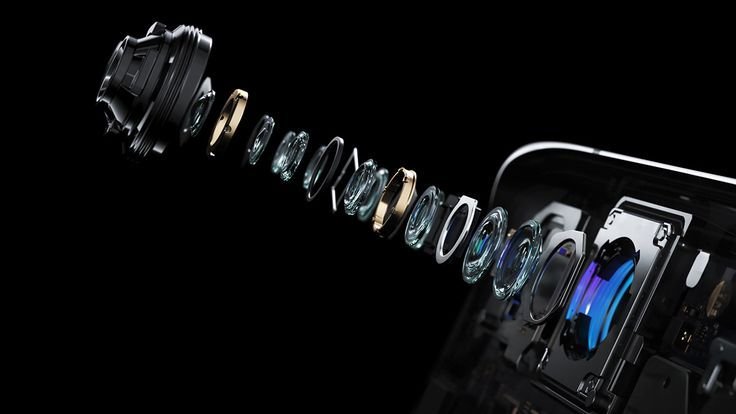
Camera modules require both visual appeal and surface protection. Coatings can enhance appearance while helping maintain durability around frequently handled areas.
Metal Frames and Structural Components
Aluminum, stainless steel, and other metal components often require surface treatment to improve hardness, appearance, and resistance to scratches.
Display-Related Components
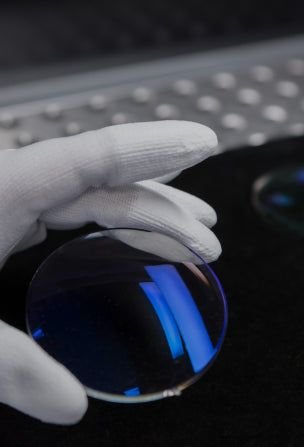
Certain optical and functional coatings can improve surface performance for glass and transparent components used in mobile devices.
Benefits of Mobile Phone Coating
Enhanced Surface Durability
Protective coatings help reduce damage caused by everyday contact, improving the long-term appearance of smartphone components.
Premium Appearance
Modern coating technologies allow manufacturers to achieve various finishes, textures, and colors while maintaining a high-end product appearance.
Improved Fingerprint Resistance
Functional coatings can reduce visible fingerprints and oil marks, helping devices maintain a cleaner appearance.
Better User Experience
A well-designed surface finish improves both the visual and tactile experience of the final product.
Types of Coatings Used for Mobile Phone Components
Different smartphone applications require different coating characteristics.
Common coating categories include:
Decorative Coating
Used to create premium visual effects, colors, and surface finishes.
Wear Resistant Coating
Designed to improve resistance against scratches and repeated contact.
Anti-Fingerprint Coating
Helps reduce fingerprints and makes surfaces easier to clean.
Optical Functional Coating
Used for applications where light transmission, reflection control, or optical performance is important.
The appropriate coating depends on the material, design requirements, and expected product performance.
Selecting the Right Mobile Phone Coating Solution
Manufacturers should consider several factors before choosing a coating process:
- Base material of the component
- Required appearance
- Durability expectations
- Surface texture
- Production requirements
- Final product environment
A successful coating solution requires understanding both the technical requirements and the intended use of the component.
Mobile Phone Coating Processing for Customer-Supplied Components
Many smartphone manufacturers and component suppliers produce their own parts but require specialized coating processing before final assembly.
At SRNC, we specialize in advanced surface coating processing for customer-supplied components.
We do not manufacture mobile phones or smartphone parts. Instead, customers provide their own components, and SRNC applies customized coating solutions designed to improve appearance, durability, and functional surface performance.
Our coating processing capabilities support applications including mobile phone decorative panels, metal components, camera-related parts, and other precision components requiring consistent surface treatment.
By focusing exclusively on coating technology, we help customers achieve reliable results while maintaining the original design accuracy and quality requirements of their components.
Future Trends in Mobile Phone Surface Coating
As smartphones continue to become thinner, more durable, and more design-focused, surface coating technology will continue to evolve.
Future mobile phone coating solutions are expected to combine multiple functions, including:
- Higher scratch resistance
- Improved fingerprint protection
- More advanced decorative effects
- Better environmental durability
- Functional surface properties
These developments will allow manufacturers to create devices that offer both improved performance and stronger visual appeal.
Conclusion
Mobile phone coating plays an important role in improving the durability, appearance, and functionality of modern smartphone components.
Through advanced surface treatment technologies, manufacturers can enhance product quality while maintaining precise component design and performance requirements.
For companies requiring professional coating processing for customer-supplied mobile phone components, working with an experienced surface coating specialist helps ensure consistent quality, reliable processing, and solutions tailored to specific application needs.
Frequently Asked Questions
What components can receive mobile phone coating?
Mobile phone coatings can be applied to components such as metal frames, back panels, camera decorative rings, and other precision smartphone parts.
Does mobile phone coating change the size of components?
No. Advanced coating processes create very thin surface layers designed to improve performance while maintaining component dimensions.
What benefits can mobile phone coatings provide?
Depending on the coating type, benefits include improved scratch resistance, better appearance, fingerprint reduction, and enhanced surface durability.
Does SRNC manufacture mobile phone parts?
No. SRNC specializes in surface coating processing for customer-supplied components. Customers provide their own parts, and we apply customized coating solutions to improve appearance, durability, and functional performance.