

Functional Coating for Mobile Camera: Improving Smartphone Imaging with Advanced Optical Thin-Film Technology
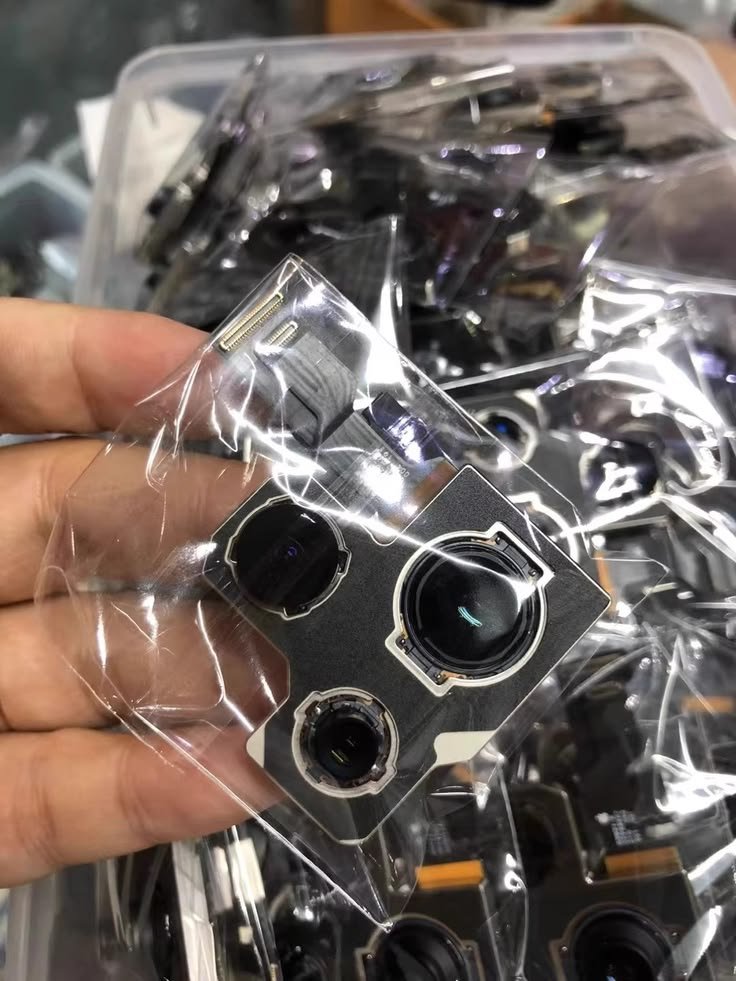
As smartphone photography continues to evolve, camera performance has become one of the most important factors influencing consumer purchasing decisions. Modern mobile devices now feature multiple camera modules, larger sensors, AI-powered image processing, and advanced computational photography. Behind these innovations, functional coating for mobile camera plays a crucial role in ensuring every lens delivers exceptional image quality and reliable long-term performance.
Precision functional coatings are applied to optical components through advanced vacuum deposition processes. These ultra-thin films improve light transmission, suppress unwanted reflections, protect delicate optical surfaces, and enhance environmental durability. For smartphone manufacturers and camera module suppliers, functional coatings are no longer optional—they are an essential part of producing premium imaging systems.
What Is Functional Coating for Mobile Camera?
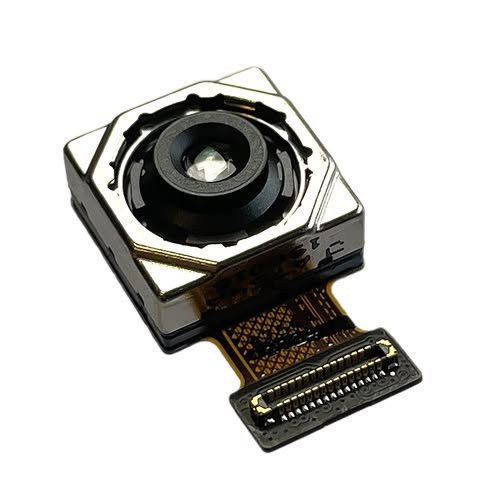
Functional coating for mobile camera refers to specialized optical thin films deposited onto camera lenses, protective cover glass, infrared filters, and other optical components inside smartphone camera modules. These coatings are designed to optimize optical performance while providing long-lasting surface protection.
Typical coated components include:
- Camera lens elements
- Camera cover glass
- Infrared cut filters
- Optical windows
- Lens protection glass
- Sensor protection components
The coating thickness is controlled at the nanometer level, allowing manufacturers to enhance optical performance without affecting the size or weight of the camera module.
Why Functional Coatings Matter
Higher Light Transmission
Every optical surface reflects a small percentage of incoming light. As smartphone cameras contain multiple lens elements, reflection losses can reduce image brightness and overall efficiency.
Functional coatings minimize these reflections, allowing more light to reach the image sensor. The result includes:
- Better low-light photography
- Improved image brightness
- Higher contrast
- More accurate color reproduction
Reduced Reflection and Lens Flare
Advanced multi-layer coatings help suppress:
- Lens flare
- Ghost images
- Internal reflections
- Glare
This produces sharper images with greater detail and improved visual clarity.
Enhanced Surface Protection
In addition to improving optical performance, functional coatings protect camera components against:
- Scratches
- Dust contamination
- Moisture
- Fingerprints
- Daily handling
This helps preserve imaging performance throughout the product’s service life.
Advanced Vacuum Coating Technologies
Magnetron Sputtering
Magnetron sputtering is one of the most widely adopted technologies for smartphone optical coatings. It produces dense, uniform films with excellent adhesion and stable optical properties.
Electron Beam Evaporation
Electron beam evaporation enables precise deposition of high-purity optical materials, making it suitable for camera lenses and optical filters requiring strict wavelength control.
Ion-Assisted Deposition
Ion-assisted deposition improves coating density, durability, and environmental stability, helping optical films maintain performance under demanding operating conditions.
Applications Across Multiple Industries
Smartphone Camera Modules
Smartphone manufacturers require advanced coatings to improve image quality while protecting delicate optical components.
Companies developing premium mobile imaging systems often rely on Functional Coating for Cell Phone Camera to increase light transmission, reduce reflectivity, and enhance the long-term reliability of camera modules used in flagship smartphones.
Consumer Electronics
Beyond smartphones, functional optical coatings are widely used in:
- Tablets
- Foldable phones
- Smart home cameras
- Video conferencing devices
- Portable imaging equipment
Automotive Vision Systems
ADAS cameras, surround-view systems, driver monitoring cameras, and autonomous vehicle sensors all require high-performance optical coatings to ensure reliable image capture under changing environmental conditions.
Medical Imaging Devices
Compact medical cameras, diagnostic instruments, and endoscopic imaging systems benefit from precision coatings that improve optical clarity and reduce reflection losses.
Industrial Machine Vision
Machine vision systems used in automated manufacturing and quality inspection rely on coated optical components to deliver consistent imaging accuracy and long-term durability.
Combining Functional and Protective Coatings
Many manufacturers integrate multiple coating technologies to maximize product performance.
For applications requiring enhanced scratch resistance and surface durability, Sapphire Super Hard Coating provides outstanding protection for optical glass and precision components while maintaining excellent transparency.
Manufacturers looking for comprehensive vacuum coating solutions can combine functional optical coatings with decorative and protective thin-film technologies for smartphones, wearable devices, automotive electronics, and industrial products.
How to Choose a Functional Coating Partner
Optical Engineering Expertise
A reliable supplier should have extensive experience in:
- Optical thin-film design
- Vacuum deposition processes
- Smartphone camera module manufacturing
- Precision optical engineering
Advanced Production Equipment
Modern manufacturing facilities should utilize automated coating systems capable of producing highly uniform films with excellent repeatability.
Strict Quality Control
Quality assurance typically includes:
- Optical transmission testing
- Reflectance measurement
- Adhesion testing
- Environmental reliability testing
- Surface defect inspection
- Coating thickness verification
Future Trends in Mobile Camera Coatings
As smartphone imaging technology continues to advance, functional coatings are evolving to support:
- Higher-resolution camera sensors
- AI-enhanced photography
- Periscope telephoto lenses
- Foldable smartphone cameras
- AR and VR imaging devices
- Computational photography
Future coating technologies will focus on multifunctional optical films that combine anti-reflection performance, scratch resistance, anti-smudge properties, and improved environmental sustainability.
Industry Resources
To learn more about optical thin films and photonics, visit:
These organizations provide valuable technical resources covering optical engineering, imaging technology, and vacuum coating innovation.
Frequently Asked Questions
What is functional coating for mobile camera?
It is a precision optical thin-film coating applied to smartphone camera components to improve light transmission, reduce reflections, and protect optical surfaces.
Why are functional coatings important for smartphone cameras?
They enhance image quality, minimize glare, improve color accuracy, and extend the lifespan of camera modules by protecting optical components.
Which technologies are used to apply functional coatings?
Common technologies include magnetron sputtering, electron beam evaporation, and ion-assisted deposition.
Can functional coatings improve low-light photography?
Yes. By increasing light transmission and reducing reflection losses, functional coatings help smartphone cameras capture brighter and clearer images in low-light environments.
Which industries benefit from functional optical coatings?
Consumer electronics, automotive vision systems, medical imaging, industrial machine vision, wearable devices, and smart home products all rely on advanced functional coatings.
Conclusion
As smartphone cameras continue to push the boundaries of mobile imaging, functional coating for mobile camera has become a foundational technology for achieving exceptional optical performance and long-term durability. Through advanced vacuum thin-film deposition, these coatings improve light transmission, reduce reflections, and protect sensitive optical components without compromising image quality.
By partnering with an experienced provider of Functional Coating for Cell Phone Camera solutions, manufacturers can develop next-generation camera modules that meet the growing demands of global consumer electronics markets while delivering reliable performance, premium image quality, and lasting product value.