

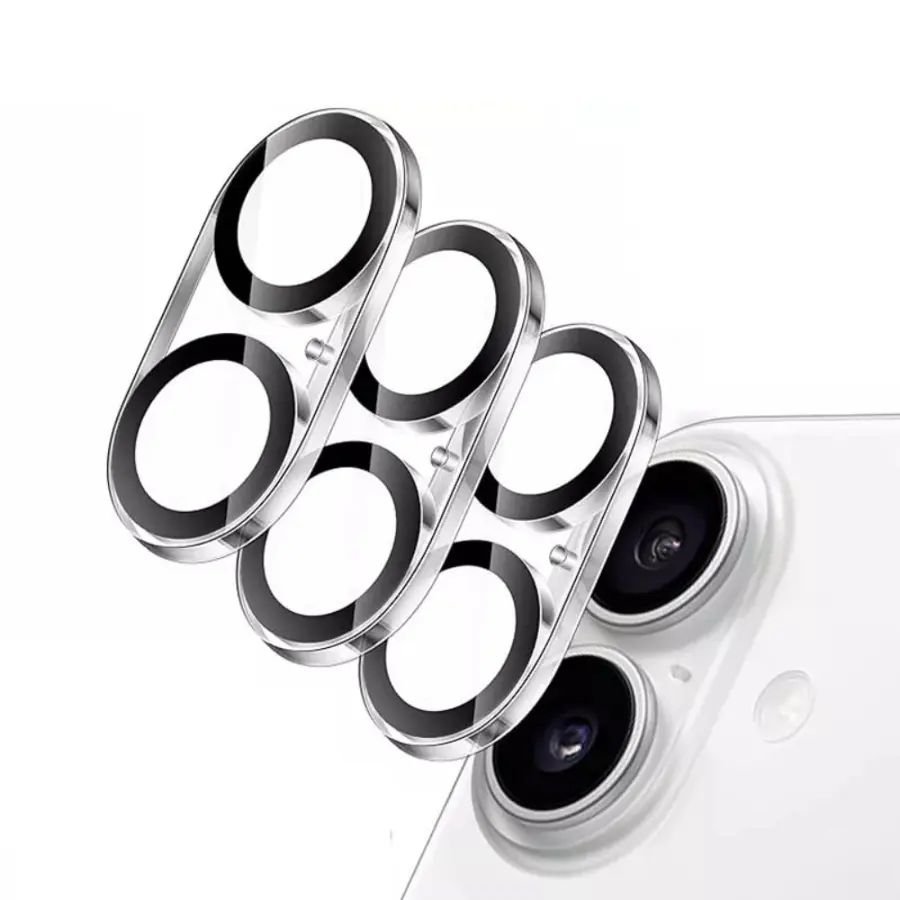
How to Choose a Reliable Camera Lens Coating Supplier for High-Performance Optical Components
As smartphone cameras continue to evolve toward higher resolutions, larger sensors, and advanced computational photography, the demand for precision optical coatings has never been greater. Selecting the right camera lens coating supplier is no longer simply about finding a manufacturing partner—it is about working with a company capable of delivering consistent optical performance, reliable quality, and scalable production.
Advanced vacuum coating technologies play a critical role in improving image clarity, reducing reflections, increasing light transmission, and protecting delicate optical components. Whether serving consumer electronics, automotive imaging systems, medical devices, or industrial vision equipment, an experienced supplier can significantly improve the performance and lifespan of optical products.
What Does a Camera Lens Coating Supplier Do?
A professional camera lens coating supplier specializes in applying precision thin-film coatings to optical components using advanced vacuum deposition technologies. These coatings are engineered to improve optical efficiency while enhancing durability and environmental resistance.
Typical coated components include:
- Smartphone camera lenses
- Camera cover glass
- Infrared filters
- Optical filters
- Lens protection windows
- Precision optical components
By carefully controlling coating thickness and material composition, suppliers can optimize optical performance for specific applications.
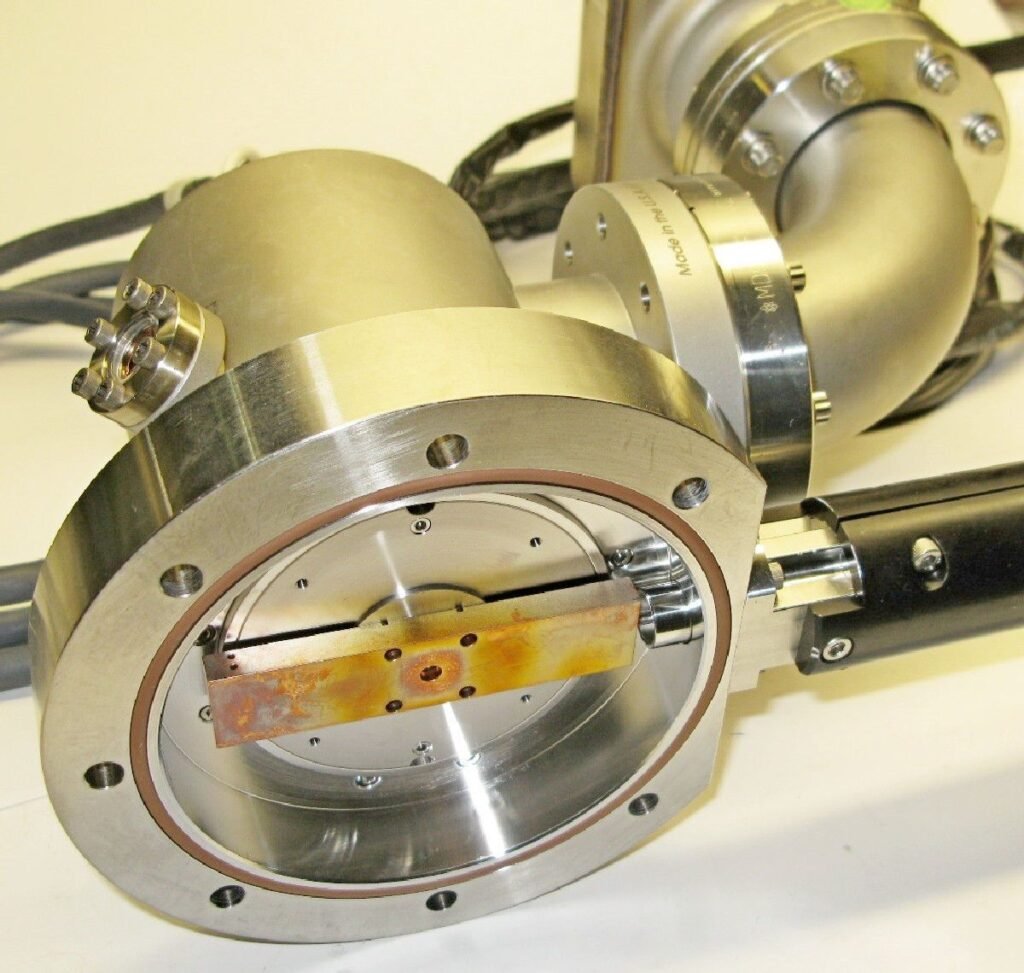
Key Technologies Used in Camera Lens Coating
Magnetron Sputtering
Magnetron sputtering is one of the most widely used vacuum coating methods for optical applications. It produces highly uniform coatings with excellent adhesion, making it ideal for large-scale production of smartphone camera components.
Electron Beam Evaporation
This process enables precise deposition of high-purity optical films, providing excellent transmission and stable optical performance.
Ion-Assisted Deposition
Ion-assisted deposition improves coating density and adhesion, helping optical films withstand demanding environmental conditions while maintaining long-term performance.
Why Optical Coatings Are Essential for Camera Lenses
Higher Light Transmission
Modern smartphone cameras contain multiple optical elements. Every lens surface reflects a small percentage of incoming light, reducing the amount that reaches the image sensor.
Advanced optical coatings minimize these losses, resulting in:
- Improved brightness
- Better low-light performance
- Enhanced color accuracy
- Sharper images
Reduced Reflection and Ghosting
Precision coatings significantly reduce:
- Lens flare
- Internal reflections
- Ghost images
- Glare
This produces cleaner images with higher contrast.
Improved Surface Durability
Functional optical coatings also increase resistance to:
- Scratches
- Dust
- Moisture
- Fingerprints
- Daily wear
Industries Served by Camera Lens Coating Suppliers
Consumer Electronics
Smartphones, tablets, action cameras, and wearable devices all rely on precision optical coatings to deliver high-quality imaging.
Manufacturers looking to improve camera performance often choose Functional Coating for Cell Phone Camera to enhance light transmission, reduce reflections, and increase the durability of smartphone camera modules.
Automotive Vision Systems
Advanced driver assistance systems (ADAS), surround-view cameras, and autonomous driving sensors require durable optical coatings capable of maintaining clear imaging under changing environmental conditions.
Medical Imaging Equipment
Medical cameras, diagnostic instruments, and endoscopic systems depend on high-transmission optical coatings for accurate visualization.
Industrial Machine Vision
Inspection systems, barcode scanners, and automated manufacturing equipment require coated optical components for consistent image quality and long service life.
Security and Surveillance
Modern surveillance cameras operate in challenging outdoor environments where protective optical coatings help maintain performance despite dust, humidity, and temperature changes.
How to Evaluate a Camera Lens Coating Supplier
Technical Expertise
An experienced supplier should possess strong capabilities in:
- Optical thin-film design
- Vacuum deposition technology
- Precision manufacturing
- Process optimization
Advanced Manufacturing Equipment
Look for facilities equipped with modern sputtering and evaporation systems capable of delivering repeatable, high-volume production.
Comprehensive Quality Control
Reliable suppliers perform rigorous testing, including:
- Optical transmission analysis
- Reflectance measurement
- Adhesion testing
- Environmental reliability testing
- Surface defect inspection
Customization Capabilities
Every camera module has unique optical requirements. A qualified supplier should be able to customize coating structures according to wavelength, substrate material, and product application.
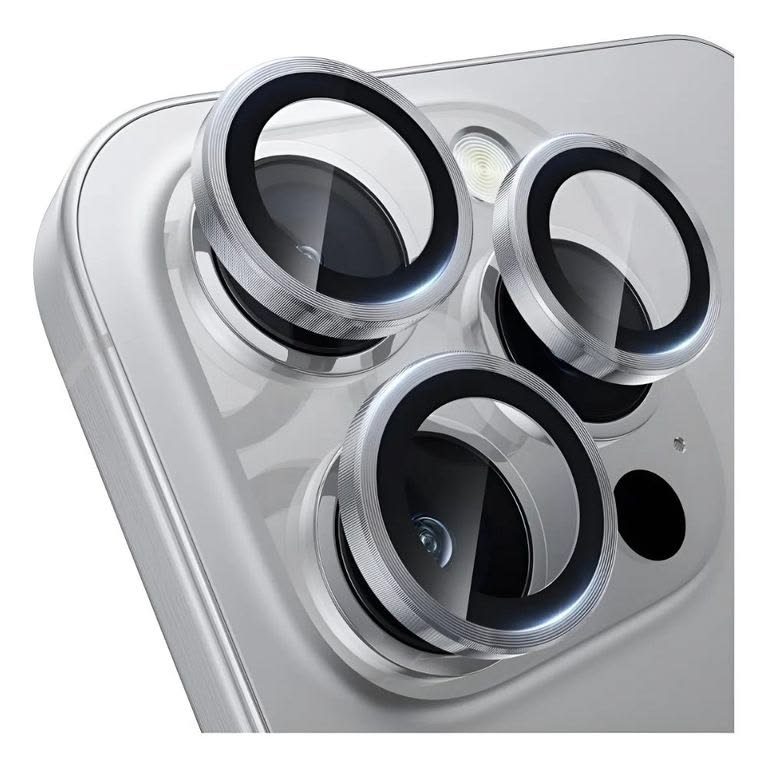
Integrated Surface Engineering Solutions
Many OEMs prefer suppliers that offer multiple vacuum coating technologies under one roof. For products requiring enhanced scratch resistance alongside optical performance, Sapphire Super Hard Coating provides excellent protection for optical glass, decorative panels, and high-touch surfaces.
Companies seeking broader vacuum coating solutions can benefit from integrated services covering functional, decorative, and optical coatings across consumer electronics, automotive components, and industrial products.
Global Market Trends
Demand for high-performance optical coatings continues to grow due to:
- Multi-camera smartphones
- AI-powered photography
- Foldable mobile devices
- Automotive smart sensing
- AR and VR technologies
- Intelligent industrial automation
As these markets expand, manufacturers increasingly seek suppliers capable of combining advanced coating technology with scalable production and strict quality control.
Industry Resources
To learn more about optical coating technologies and precision thin films, explore:
These organizations provide valuable insights into optical engineering, photonics, and emerging coating technologies.
Frequently Asked Questions
What does a camera lens coating supplier provide?
A camera lens coating supplier applies precision vacuum thin-film coatings to optical components, improving light transmission, reducing reflections, and enhancing durability.
Which industries require camera lens coatings?
Consumer electronics, automotive, medical imaging, industrial vision, and security systems all rely on advanced optical coatings.
What technologies are commonly used for optical coatings?
Magnetron sputtering, electron beam evaporation, and ion-assisted deposition are widely used to produce high-quality optical thin films.
Can optical coatings improve smartphone photography?
Yes. High-quality coatings reduce glare, increase light transmission, and improve image sharpness, especially in challenging lighting conditions.
How do I choose a reliable camera lens coating supplier?
Look for expertise in optical engineering, advanced manufacturing equipment, comprehensive quality control, and the ability to provide customized coating solutions.
Conclusion
Choosing the right camera lens coating supplier is essential for manufacturers developing high-performance imaging systems. Precision vacuum coatings not only improve optical clarity and transmission but also enhance durability and long-term reliability across a wide range of applications.
By partnering with an experienced supplier offering advanced optical engineering, customized thin-film solutions, and comprehensive quality assurance, businesses can develop camera modules that meet the growing demands of today’s global consumer electronics, automotive, medical, and industrial markets.