

Hard Coating for Cutting Tools: Improving Wear Resistance and Tool Life
Modern manufacturing demands higher machining efficiency, tighter tolerances, and longer tool life than ever before. Whether machining steel, stainless steel, aluminum alloys, or hardened materials, cutting tools are exposed to extreme friction, heat, and mechanical stress during operation. Without adequate surface protection, even high-quality tools can experience rapid wear, reduced cutting performance, and frequent replacement.
This is why hard coating for cutting tools has become an essential surface engineering solution across industries such as precision machining, automotive manufacturing, aerospace, mold making, and general metalworking.
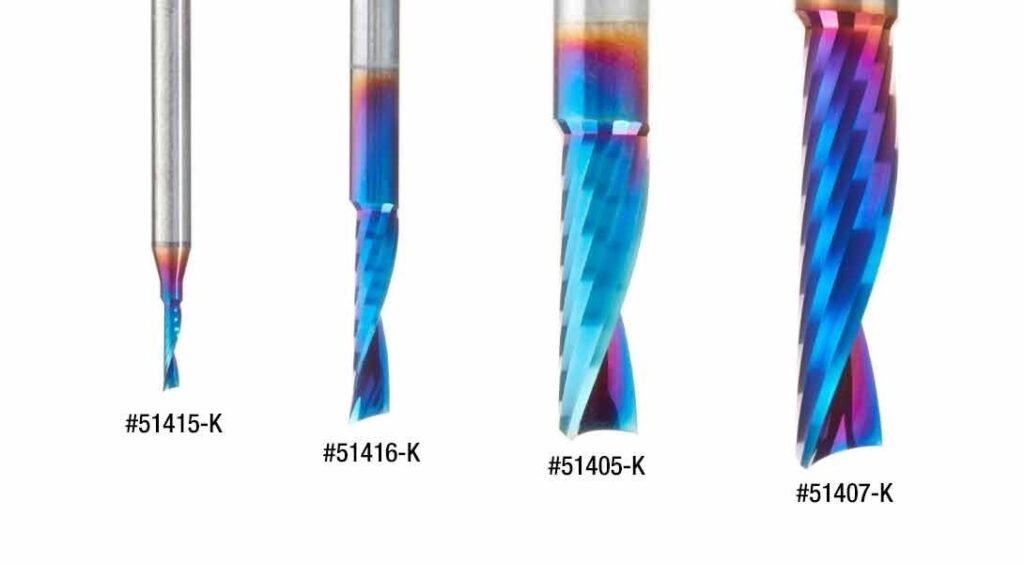
What Is Hard Coating for Cutting Tools?
Hard coating is a thin, high-performance protective layer applied to the surface of cutting tools using advanced deposition technologies such as Physical Vapor Deposition (PVD). Although only a few microns thick, the coating significantly improves the surface properties of the tool without changing its dimensions.
The purpose of the coating is to create a harder, smoother, and more durable cutting surface that performs reliably under demanding machining conditions.
Depending on the application, different coating materials may be selected to optimize wear resistance, heat resistance, oxidation resistance, or friction reduction.
Why Cutting Tools Require Hard Coatings
During machining, cutting edges experience continuous contact with workpiece materials. This creates heat, friction, and mechanical pressure that gradually wear away the tool surface.
Applying a hard coating helps reduce these effects by creating a protective barrier between the cutting edge and the workpiece.
Key benefits include:
- Increased surface hardness
- Improved wear resistance
- Lower coefficient of friction
- Better heat resistance
- Enhanced oxidation resistance
- Longer tool service life
These advantages allow manufacturers to increase productivity while reducing tooling costs.
Typical Applications
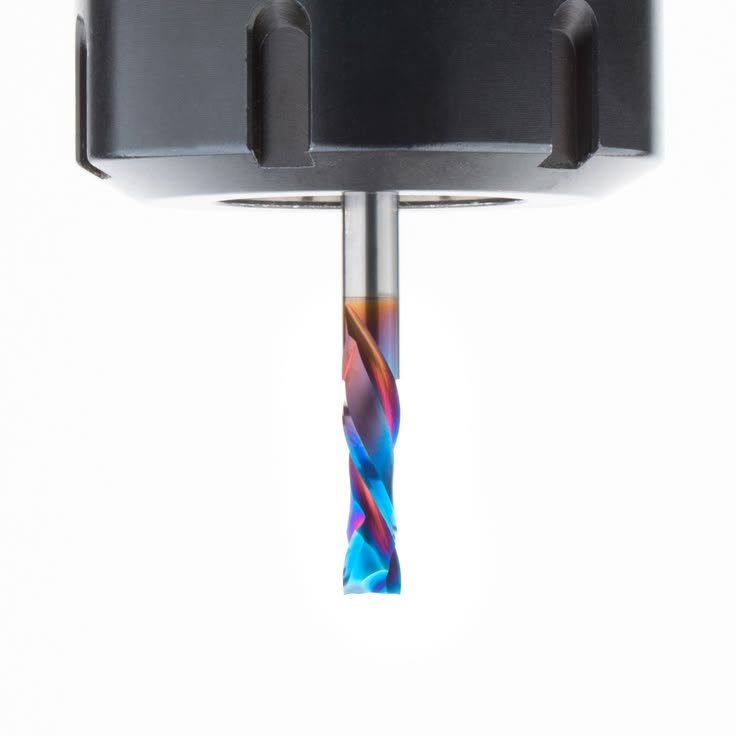
Hard coatings are widely applied to customer-supplied cutting tools used in various manufacturing industries, including:
- Drill bits
- End mills
- Milling cutters
- Reamers
- Taps
- Thread mills
- Carbide inserts
- Punches and dies
- Forming tools
- Precision molds
Different machining operations require different coating characteristics depending on cutting speed, workpiece material, and operating temperature.
How Hard Coatings Improve Machining Performance
Extended Tool Life
A hard coating significantly reduces abrasive wear, helping cutting tools maintain sharp edges for longer periods. This reduces tool replacement frequency and minimizes production downtime.
Higher Cutting Speeds
Improved heat resistance enables tools to operate at higher cutting speeds while maintaining stable performance.
Better Surface Finish
Lower friction between the cutting tool and the workpiece contributes to smoother machining results and improved surface quality.
Increased Production Efficiency
Longer tool life and reduced maintenance interruptions help improve manufacturing productivity and lower overall operating costs.
Factors to Consider When Selecting a Hard Coating
Choosing the appropriate coating depends on several technical factors, including:
- Tool material
- Workpiece material
- Machining process
- Operating temperature
- Required tool life
- Cutting speed
- Surface finish requirements
There is no universal coating suitable for every machining application. Selecting the right solution requires evaluating the complete operating environment.
Surface Coating Processing for Customer-Supplied Cutting Tools
Many manufacturers already produce or purchase precision cutting tools but require specialized surface treatment to improve their performance.
At SRNC, we focus exclusively on advanced coating processing for customer-supplied components. Rather than manufacturing drills, milling cutters, or tooling, we apply high-performance hard coatings designed to improve wear resistance, durability, and machining reliability.
Our coating processing services support a wide range of industrial applications where consistent coating quality and stable production performance are essential.
Why Professional Coating Processing Matters
The effectiveness of a hard coating depends not only on the coating material but also on surface preparation, process control, coating uniformity, and adhesion quality.
Professional coating processing helps ensure that every coated tool delivers consistent performance throughout its operating life while meeting the quality requirements of precision manufacturing.
Conclusion
As machining technology continues to advance, hard coating for cutting tools has become a key factor in improving productivity, extending tool life, and reducing manufacturing costs.
By applying the right coating solution to customer-supplied cutting tools, manufacturers can achieve better machining performance, improved surface quality, and greater operational efficiency. Working with an experienced coating processing specialist helps ensure reliable results and long-term value.