

Decorative PVD Coating for Consumer Electronics: Enhancing Appearance and Surface Durability
As consumer electronics continue to evolve, users expect products to deliver both advanced functionality and premium aesthetics. From smartphones and laptops to smart home devices and household appliances, surface appearance has become an important factor influencing purchasing decisions. Manufacturers are therefore looking for coating technologies that not only create an attractive finish but also improve durability.
Decorative PVD coating for consumer electronics has become one of the most effective surface engineering solutions for achieving these goals. By combining visual appeal with functional performance, PVD coatings help manufacturers create products that maintain their appearance throughout daily use.
What Is Decorative PVD Coating?
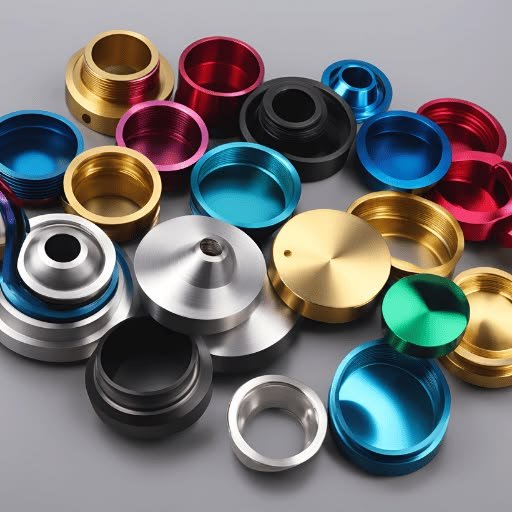
Decorative Physical Vapor Deposition (PVD) coating is a vacuum-based thin-film process that deposits a durable coating onto the surface of a component. Unlike traditional painting or electroplating, PVD creates a dense and uniform coating with excellent adhesion while maintaining precise dimensional accuracy.
The process can produce a wide range of colors and finishes, including metallic, matte, brushed, and customized decorative effects. At the same time, it improves surface hardness and resistance to wear, making it suitable for products that are frequently handled.
Why Consumer Electronics Require Decorative PVD Coating
Electronic devices are constantly exposed to fingerprints, scratches, friction, and environmental conditions during everyday use. Without proper surface protection, decorative metal parts may lose their appearance over time.
Decorative PVD coating helps manufacturers address these challenges by providing:
- Improved scratch resistance
- Enhanced wear resistance
- Consistent color appearance
- Better corrosion resistance
- Long-lasting decorative finishes
- Excellent coating adhesion
These benefits allow products to maintain a premium appearance while extending their service life.
Typical Applications
Decorative PVD coatings are widely used across the consumer electronics industry, including:
- Smartphone frames
- Smartphone back panels
- Camera decorative rings
- Laptop housings
- Tablet enclosures
- Smartwatch components
- Earbud charging cases
- Home appliance decorative panels
- Metal buttons and trim pieces
Each application may require different coating characteristics depending on the material, product design, and expected operating environment.
Advantages Over Conventional Surface Finishes
Compared with conventional decorative treatments, PVD coating offers several advantages.
Superior Durability
The coating forms a hard and compact surface layer that resists everyday scratches and abrasion more effectively than many traditional decorative finishes.
Premium Appearance
PVD technology delivers consistent colors and refined metallic textures that meet the design requirements of modern consumer electronics.
Environmental Benefits
As a vacuum coating process, PVD generally produces fewer chemical emissions than many conventional wet plating methods, making it an environmentally conscious manufacturing option.
Strong Adhesion
Proper surface preparation combined with advanced deposition technology ensures reliable coating adhesion on a variety of metal substrates.
Key Factors When Selecting a Decorative PVD Coating
Choosing the right decorative coating requires consideration of several technical factors:
- Base material compatibility
- Required color and surface texture
- Scratch resistance requirements
- Corrosion resistance
- Product operating environment
- Production volume
- Cosmetic quality standards
A coating solution should always be selected according to the functional and appearance requirements of the final product rather than relying on a single coating specification for every application.
Surface Coating Processing for Customer-Supplied Components
Many manufacturers already have finished metal components but require specialized surface treatment before final assembly. In these cases, coating quality directly affects both product performance and brand image.
At SRNC, we specialize in decorative and functional coating processing for customer-supplied components. We do not manufacture the parts themselves. Instead, we apply advanced coating technologies to improve surface appearance, durability, and functional performance across a wide range of applications.
Our coating processing services support projects involving consumer electronics, decorative hardware, home appliance panels, precision metal components, and other products where surface quality is critical.
Future Trends in Decorative Surface Engineering
As electronic devices become thinner, lighter, and more design-oriented, decorative coatings are expected to provide multiple functions beyond appearance. Manufacturers increasingly seek coatings that combine decorative finishes with properties such as anti-fingerprint performance, scratch resistance, wear resistance, and improved durability.
This trend is driving continuous innovation in PVD technology and expanding its role in next-generation consumer electronics.
Conclusion
Decorative PVD coating for consumer electronics has become an essential surface engineering technology for manufacturers seeking to improve both product appearance and durability. By combining attractive finishes with reliable mechanical performance, PVD coatings help brands create products that maintain their quality throughout daily use.
For manufacturers requiring coating processing for customer-supplied components, selecting an experienced coating specialist helps ensure consistent quality, reliable production, and surface performance that meets modern market expectations.