

Why Anti-Fingerprint Coatings Are Essential for Consumer Electronics
Modern consumer electronics are expected to deliver more than advanced functionality. Smartphones, tablets, laptops, smart home devices, and premium household appliances are also judged by their appearance and user experience. A clean, smooth, and durable surface has become an important part of product quality, making anti fingerprint coating an increasingly valuable surface treatment.
Everyday use exposes electronic devices to fingerprints, skin oils, dust, and repeated handling. Without adequate surface protection, these marks quickly reduce the visual appeal of a product and increase cleaning requirements. Anti-fingerprint coatings help solve this challenge by creating a surface that resists oil contamination while remaining attractive over time.
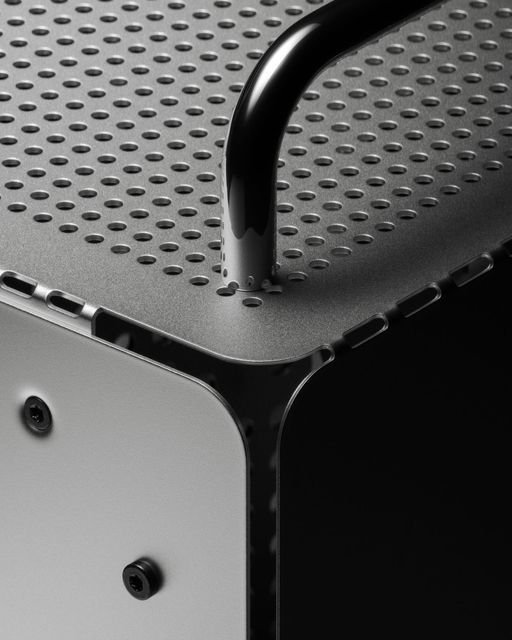
What Is an Anti Fingerprint Coating?
An anti fingerprint coating is a functional surface treatment designed to reduce the adhesion of oils, moisture, and other contaminants. By lowering the surface energy of the coated material, fingerprints are less likely to remain visible and are much easier to remove.
These coatings can be applied to a wide range of materials, including glass, aluminum, stainless steel, and decorative metal components. Depending on the application, they may also provide additional benefits such as improved scratch resistance, smoother touch, and better chemical durability.
Where Is Anti Fingerprint Coating Used?
As manufacturers continue to improve product quality, anti-fingerprint coatings are now widely used in:
- Smartphone frames and back panels
- Camera decorative rings
- Laptop and tablet housings
- Smart wearable devices
- Home appliance control panels
- Decorative metal trims
- Display and touch panel components
For premium products, maintaining a clean and consistent appearance is often as important as protecting the underlying material.

Benefits of Anti Fingerprint Coating
Cleaner Appearance
The coating significantly reduces visible fingerprints and smudges, helping products maintain a premium look even after frequent handling.
Improved User Experience
A smoother surface feels more comfortable during everyday use and requires less frequent cleaning, improving overall customer satisfaction.
Enhanced Surface Protection
Many anti-fingerprint coatings also provide additional resistance to minor scratches, wear, and chemical exposure, extending the life of decorative finishes.
Long-Term Product Value
By preserving both appearance and functionality, manufacturers can improve product quality while reducing maintenance concerns throughout the product’s lifecycle.
Choosing the Right Coating Process
Selecting an anti-fingerprint coating depends on several factors, including the substrate material, required durability, optical appearance, and production environment. The most effective solution is one that balances aesthetics with functional performance while remaining compatible with the manufacturing process.
Surface Coating Processing for Customer-Supplied Components
At SRNC, we specialize in advanced surface coating processing for customer-supplied components rather than manufacturing the parts themselves. Our coating solutions are developed to enhance both the appearance and functional performance of metal and decorative components used in consumer electronics, household appliances, and other precision industries.
Each project is evaluated according to the material, application, and performance objectives to ensure consistent coating quality and reliable production results.
Conclusion
As consumer expectations continue to rise, anti fingerprint coating has become an important technology for improving the appearance, durability, and user experience of electronic products. A well-designed coating not only keeps surfaces cleaner but also contributes to long-term product quality and brand value.
For manufacturers seeking reliable coating processing for customer-supplied components, selecting the right coating technology and an experienced processing partner can make a significant difference in the final product.