

Vacuum PVD Coating Solutions: Advanced Surface Engineering for High-Performance Manufacturing
As global industries continue to demand products with longer service life, higher durability, and premium aesthetics, advanced surface engineering has become an essential part of modern manufacturing. From consumer electronics and home appliances to automotive components and industrial machinery, manufacturers increasingly rely on vacuum PVD coating solutions to enhance both product performance and visual appeal.
Physical Vapor Deposition (PVD) is a highly controlled vacuum coating process that deposits ultra-thin films onto component surfaces. These coatings improve wear resistance, corrosion protection, hardness, optical performance, and decorative appearance while maintaining precise dimensional tolerances. Compared with many conventional finishing methods, vacuum PVD technology offers cleaner production, superior coating adhesion, and excellent consistency.
Today, vacuum PVD coating solutions support manufacturers worldwide in producing innovative, reliable, and high-value products across a wide range of industries.
What Are Vacuum PVD Coating Solutions?
Vacuum PVD coating solutions refer to a range of surface engineering technologies that apply thin protective or decorative films within a vacuum environment.
During the process, coating materials are vaporized and deposited onto a substrate at the molecular level, creating an exceptionally uniform and durable surface layer.
These solutions can be optimized for:
- Wear resistance
- Scratch protection
- Corrosion resistance
- Decorative finishes
- Optical performance
- Electrical conductivity
- Thermal stability
Because coating thickness is precisely controlled, PVD technology is particularly suitable for precision components used in advanced manufacturing.
How Vacuum PVD Coating Technology Works
Surface Preparation
Every successful coating process begins with proper substrate preparation.
Typical steps include:
- Precision cleaning
- Degreasing
- Surface polishing
- Activation treatment
Proper preparation ensures excellent coating adhesion.
Vacuum Deposition Process
After preparation, components are loaded into a high-vacuum chamber.
Common deposition technologies include:
- Magnetron sputtering
- Arc ion plating
- Electron beam evaporation
Within the vacuum chamber, coating materials become vaporized before bonding to the substrate surface.
Thin Film Formation
The vapor condenses onto the component to form a dense, uniform thin film.
Manufacturers carefully control:
- Film thickness
- Chamber pressure
- Temperature
- Deposition rate
These parameters ensure consistent coating quality across every production batch.
Why Manufacturers Choose Vacuum PVD Coating Solutions
Superior Wear Resistance
PVD coatings significantly increase surface hardness, reducing damage caused by:
- Friction
- Abrasion
- Daily handling
- Mechanical contact
This helps extend component lifespan.
Enhanced Corrosion Protection
Many products operate in environments exposed to:
- Moisture
- Chemicals
- Salt
- Humidity
PVD coatings create a durable protective barrier that minimizes corrosion and oxidation.
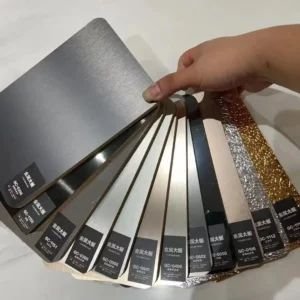
Premium Decorative Finishes
Vacuum coating technologies can produce attractive metallic finishes including:
- Gold
- Black
- Bronze
- Rose gold
- Silver
- Custom colors
These finishes remain attractive even after years of use.
Environmentally Friendly Manufacturing
Compared with traditional electroplating and chemical finishing processes, vacuum PVD technology generally:
- Uses fewer hazardous chemicals
- Produces less waste
- Supports sustainable manufacturing initiatives
Types of Vacuum PVD Coating Solutions
Decorative Coatings
Decorative coatings enhance product appearance while maintaining excellent durability.
Common applications include:
- Consumer electronics
- Appliance panels
- Decorative hardware
- Luxury products
Functional Coatings
Functional coatings improve specific performance characteristics such as:
- Hardness
- Wear resistance
- Conductivity
- Thermal performance
Optical Thin Film Coatings
Modern imaging systems rely heavily on precision optical coatings.
Manufacturers developing advanced smartphone cameras increasingly utilize Functional Coating for Cell Phone Camera solutions to improve light transmission, minimize reflections, enhance lens durability, and support superior imaging performance.
These coatings have become essential for today’s high-resolution camera technologies.
Protective Industrial Coatings
Industrial components benefit from coatings engineered for:
- Heavy wear
- Chemical exposure
- High temperatures
- Long-term reliability
Applications Across Global Industries
Consumer Electronics
Applications include:
- Smartphone frames
- Smartwatches
- Laptop housings
- Tablet components
PVD coatings improve both durability and premium appearance.
Home Appliances
Home appliance manufacturers increasingly use decorative coatings to enhance product quality.
Specialized Electrical Decorative Panel Coating solutions are widely applied to appliance control panels, decorative trims, and user interfaces where scratch resistance, corrosion protection, and refined aesthetics are essential.
Automotive Components
Automotive applications include:
- Interior trim
- Exterior decorative parts
- Sensors
- Metal assemblies
PVD coatings improve long-term durability while maintaining attractive finishes.
Industrial Equipment
Industrial manufacturers apply vacuum coatings to extend the service life of:
- Precision components
- Machine parts
- Mechanical assemblies
- Metal tools
Architectural Hardware
Architectural products benefit from decorative coatings that resist weathering, corrosion, and daily wear.
Key Advantages Over Traditional Surface Treatments
Compared with conventional finishing methods, vacuum PVD coating solutions offer several important advantages.
| Feature | Vacuum PVD Coating | Traditional Coatings |
|---|---|---|
| Wear Resistance | Excellent | Moderate |
| Corrosion Protection | Superior | Variable |
| Decorative Quality | Premium | Good |
| Environmental Impact | Lower | Higher |
| Coating Adhesion | Excellent | Moderate |
| Thickness Control | Precise | Less Consistent |
These advantages make vacuum PVD technology increasingly attractive across multiple industries.
Factors That Influence Coating Performance
Successful coating performance depends on several variables.
Substrate Material
Different materials require different coating systems.
Coating Material Selection
Material choice affects:
- Hardness
- Appearance
- Corrosion resistance
- Optical characteristics
Process Control
Critical parameters include:
- Vacuum quality
- Deposition temperature
- Chamber pressure
- Film thickness
Careful process management ensures reliable production.
Choosing the Right Vacuum PVD Coating Partner
Selecting an experienced supplier is essential for achieving consistent results.
Consider the following:
Technical Expertise
Look for experience in:
- Vacuum deposition
- Thin-film engineering
- Application-specific coating development
Manufacturing Capacity
The supplier should support:
- Prototype projects
- Medium-volume production
- Large-scale manufacturing
Quality Assurance
Reliable providers perform comprehensive inspections including:
- Thickness measurement
- Adhesion testing
- Corrosion testing
- Surface evaluation
Comprehensive Coating Capabilities
Working with a supplier that offers multiple coating technologies provides greater flexibility as product requirements evolve. Manufacturers seeking complete surface engineering services can explore Vacuum Coating Solutions for electronics, appliance panels, optical systems, decorative products, and industrial components.
Future Trends in Vacuum Coating Technology
Nano-Engineered Thin Films
Advanced nano-scale coatings continue improving durability while reducing material consumption.
Smarter Functional Surfaces
Emerging innovations include:
- Anti-fingerprint coatings
- Self-cleaning films
- Antimicrobial surfaces
High-Performance Electronics
Growing demand for AI devices, wearable technology, and smart products is accelerating coating innovation.
Sustainable Manufacturing
Vacuum coating technologies will continue supporting environmentally responsible manufacturing across global industries.
Frequently Asked Questions
What are vacuum PVD coating solutions?
They are vacuum-based coating technologies that apply durable thin films to improve product performance, protection, and appearance.
What materials can be PVD coated?
Common substrates include stainless steel, aluminum, titanium, brass, copper alloys, glass, ceramics, and selected engineering plastics.
Which industries use vacuum PVD coatings?
Consumer electronics, home appliances, automotive manufacturing, industrial equipment, medical devices, and architecture all utilize vacuum PVD coatings.
Can PVD coatings improve corrosion resistance?
Yes. They create a protective barrier that helps prevent corrosion and oxidation.
Are decorative PVD coatings durable?
High-quality decorative PVD coatings provide excellent scratch resistance and long-term color stability.
Can coatings be customized?
Yes. Manufacturers can tailor coating materials, finishes, colors, and performance characteristics.
Is vacuum PVD coating environmentally friendly?
Compared with many traditional finishing methods, vacuum PVD technology generally has a lower environmental impact.
How do I choose a vacuum PVD coating supplier?
Evaluate technical expertise, production capacity, quality management systems, customization capabilities, and industry experience.
Conclusion
Vacuum PVD coating solutions have become a cornerstone of modern manufacturing by delivering exceptional durability, corrosion resistance, premium aesthetics, and functional performance across a wide variety of industries. Whether used for consumer electronics, appliance panels, automotive components, or industrial equipment, these advanced thin-film technologies help manufacturers create products that meet the highest standards of quality and reliability.
As demand for sustainable manufacturing and high-performance surface engineering continues to grow, vacuum PVD coating solutions will remain one of the most effective technologies for enhancing product value and supporting innovation in global manufacturing.