

PVD Coating for Electronics: Enhancing Performance, Durability, and Design
The electronics industry continues to push the boundaries of innovation. Devices are becoming smaller, more powerful, and more sophisticated than ever before. As manufacturers strive to improve product quality and reliability, PVD coating for electronics has emerged as a critical technology that enhances both performance and appearance.
Physical Vapor Deposition (PVD) is a vacuum-based coating process that creates ultra-thin films on component surfaces. These coatings provide protection against wear, corrosion, contamination, and environmental damage while also improving optical and electrical performance. Today, PVD coatings are widely used in smartphones, camera modules, wearable devices, sensors, display systems, and many other electronic products.
As global demand for high-performance electronics continues to rise, PVD coating technology has become an essential part of modern electronic manufacturing.
What Is PVD Coating for Electronics?
PVD coating for electronics refers to the application of thin-film coatings using Physical Vapor Deposition technology specifically for electronic components and devices.
The process involves vaporizing coating materials inside a vacuum chamber and depositing them onto target surfaces with extreme precision.
These coatings can provide:
- Surface protection
- Electrical conductivity
- Optical enhancement
- Decorative finishes
- Corrosion resistance
- Wear resistance
Because PVD coatings are extremely thin and highly uniform, they are ideal for precision electronic applications where dimensional accuracy is critical.
Why Electronics Manufacturers Use PVD Coating
Surface Protection
Electronic components are often exposed to challenging environments.
PVD coatings help protect against:
- Moisture
- Corrosion
- Dust contamination
- Surface wear
- Chemical exposure
This protection improves product reliability and longevity.
Improved Product Appearance
Consumer electronics increasingly compete on design and aesthetics.
PVD coatings provide:
- Premium metallic finishes
- Consistent color quality
- Scratch-resistant surfaces
- Luxury appearance
These characteristics help manufacturers create visually appealing products.
Enhanced Functional Performance
PVD coatings can also improve technical performance by offering:
- Better optical transmission
- Reduced reflection
- Enhanced conductivity
- Thermal management properties
This makes them valuable in advanced electronic systems.
How PVD Coating Works in Electronic Manufacturing
Vacuum Deposition Process
The coating process begins inside a vacuum chamber.
The vacuum environment:
- Eliminates contaminants
- Improves coating purity
- Enhances adhesion
This controlled process ensures high-quality thin films.
Thin Film Formation
Coating materials are vaporized through technologies such as:
- Magnetron sputtering
- Arc evaporation
- Electron beam evaporation
The vapor condenses onto the component surface, forming a durable thin film.
Quality Control and Precision
Electronic components require exceptional precision.
Manufacturers closely control:
- Film thickness
- Deposition rate
- Chamber pressure
- Temperature
These factors ensure consistent coating performance.
Types of PVD Coatings Used in Electronics
Conductive Coatings
Conductive thin films are used in:
- Sensors
- Touch interfaces
- Electronic connectors
- Display technologies
These coatings enable electrical functionality while maintaining compact dimensions.
Optical Coatings
Optical coatings improve light transmission and reduce unwanted reflections.
Applications include:
- Camera lenses
- Optical sensors
- Imaging systems
Decorative PVD Coatings
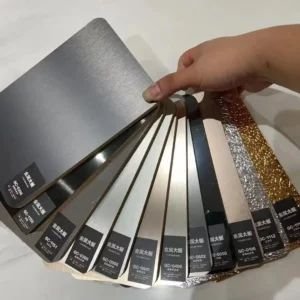
Decorative coatings provide premium surface finishes while maintaining durability.
Common uses include:
- Smartphone frames
- Smartwatch housings
- Consumer electronics casings
Protective Barrier Coatings
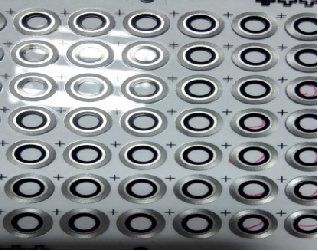
Barrier coatings protect sensitive components from environmental damage and contamination.
Applications of PVD Coating for Electronics
Smartphones and Mobile Devices
Smartphones are among the most common applications for PVD technology.
Coatings are used on:
- Frames
- Buttons
- Camera modules
- Internal components
The technology improves both appearance and durability.
Camera Modules and Optical Components
Camera performance has become one of the most important features in modern devices.
Manufacturers increasingly utilize specialized Functional Coating for Cell Phone Camera solutions to improve image quality, minimize reflections, and enhance lens durability.
These advanced coatings help deliver sharper images and more reliable camera performance.
Wearable Devices
Smartwatches and wearable electronics require coatings that combine aesthetics with durability.
Benefits include:
- Scratch resistance
- Corrosion protection
- Premium appearance
Consumer Electronics
Applications include:
- Tablets
- Laptops
- Gaming devices
- Smart home products
PVD coatings help maintain product quality under daily use.
Industrial Electronics
Industrial systems often operate in demanding environments.
Protective coatings help extend component lifespan and improve reliability.
Key Benefits of PVD Coating for Electronics
Improved Durability
PVD coatings provide excellent resistance to:
- Scratches
- Wear
- Environmental exposure
Enhanced Optical Performance
Optical coatings improve:
- Light transmission
- Imaging accuracy
- Reflection control
Corrosion Resistance
Protective films help electronic components withstand moisture and chemical exposure.
Premium Product Design
PVD coatings allow manufacturers to achieve high-end visual finishes that support brand positioning.
For premium electronic interfaces and appliance control systems, Electrical Decorative Panel Coating solutions offer a combination of attractive appearance and long-term durability.
PVD Coating vs Traditional Surface Finishes
| Feature | PVD Coating | Traditional Finishes |
|---|---|---|
| Durability | Excellent | Moderate |
| Wear Resistance | High | Lower |
| Environmental Impact | Low | Higher |
| Thickness Control | Precise | Less Precise |
| Optical Performance | Excellent | Limited |
| Decorative Quality | Premium | Standard |
These advantages make PVD technology increasingly popular in electronics manufacturing.
Factors That Affect Coating Performance
Several factors influence coating effectiveness:
Substrate Material
Different materials require different coating strategies.
Coating Composition
Material selection affects:
- Conductivity
- Optical performance
- Durability
Process Control
Key parameters include:
- Vacuum quality
- Temperature
- Deposition rate
- Film thickness
Consistent process control is essential for reliable results.
Choosing a Reliable PVD Coating Partner
When evaluating coating providers, manufacturers should consider:
Technical Expertise
Look for experience in:
- Electronics manufacturing
- Thin-film engineering
- Optical coatings
Production Capability
Assess:
- Manufacturing capacity
- Process consistency
- Customization options
Quality Assurance
Strong testing procedures help ensure reliable coating performance.
Comprehensive Coating Services
Manufacturers often benefit from providers that offer multiple coating technologies and application expertise. Companies seeking broader surface engineering capabilities can explore Vacuum Coating Solutions for electronics, optics, decorative finishes, and industrial applications.
Future Trends in Electronic Surface Engineering
Nano-Scale Thin Films
Nano-engineered coatings offer enhanced functionality with minimal material consumption.
Advanced Imaging Technologies
Growing demand for:
- Multi-camera smartphones
- AI-powered imaging
- AR/VR devices
is driving innovation in optical coating solutions.
Flexible Electronics
Emerging flexible devices require advanced coatings that maintain performance under mechanical stress.
Sustainable Manufacturing
Vacuum coating technologies support environmentally responsible production practices and are expected to see continued growth.
Frequently Asked Questions
What is PVD coating for electronics?
PVD coating for electronics is a vacuum deposition process that applies thin films to electronic components to improve durability, functionality, and appearance.
Why is PVD coating used in smartphones?
It improves scratch resistance, corrosion protection, optical performance, and product aesthetics.
Can PVD coatings improve camera performance?
Yes. Specialized optical coatings help reduce reflections and enhance image quality.
Are PVD coatings environmentally friendly?
Compared with many traditional finishing processes, PVD coatings generally have lower environmental impact.
What electronic products use PVD coatings?
Smartphones, wearables, cameras, sensors, displays, laptops, and industrial electronics commonly use PVD coatings.
How durable are PVD coatings?
High-quality PVD coatings offer excellent resistance to wear, scratches, and environmental exposure.
Can PVD coatings be customized?
Yes. Coatings can be engineered to provide specific optical, decorative, or functional properties.
How do I choose a PVD coating supplier?
Evaluate technical expertise, production capabilities, quality systems, and experience with electronic applications.
Conclusion
PVD coating for electronics has become a cornerstone technology for modern electronic manufacturing. By delivering superior durability, optical performance, corrosion resistance, and premium aesthetics, PVD coatings help manufacturers meet the growing demands of today’s global market.
As devices become increasingly advanced and compact, the role of precision thin-film coatings will continue to expand, making PVD technology an essential investment for manufacturers seeking higher performance, improved reliability, and stronger product differentiation.