

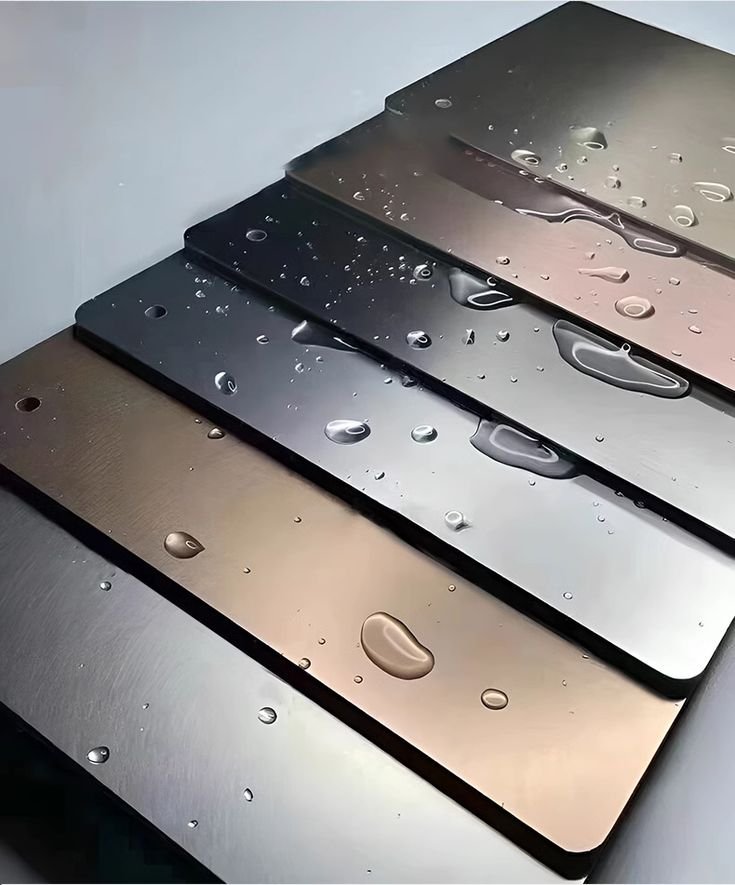
Decorative PVD Coating: The Perfect Blend of Aesthetics and Durability
In modern manufacturing, appearance and performance are equally important. Consumers expect products to look premium while maintaining durability throughout years of use. This demand has made decorative PVD coating one of the fastest-growing surface finishing technologies across industries such as consumer electronics, home appliances, automotive manufacturing, and architectural design.
Decorative PVD coating combines advanced vacuum deposition technology with exceptional aesthetic flexibility. Unlike traditional painting or electroplating processes, PVD coatings create ultra-thin yet highly durable films that deliver luxurious metallic finishes, outstanding wear resistance, and environmentally friendly production advantages.
As manufacturers seek innovative ways to enhance product value and differentiate themselves in competitive markets, decorative PVD coating has become a preferred solution for creating premium surfaces that perform as well as they look.
What Is Decorative PVD Coating?
Decorative PVD coating is a surface treatment process that uses Physical Vapor Deposition (PVD) technology to apply a thin decorative and protective layer onto a substrate.
The process occurs inside a vacuum chamber where coating materials are vaporized and deposited onto the target surface. The resulting film provides both visual appeal and functional benefits.
Decorative PVD coatings are commonly applied to:
- Stainless steel
- Aluminum
- Glass
- Plastics
- Ceramics
- Composite materials
The technology allows manufacturers to create a wide range of colors and finishes while maintaining exceptional durability.
Why Decorative PVD Coating Is Growing in Popularity
Premium Appearance
Consumers increasingly associate metallic finishes with quality and luxury.
Decorative PVD coatings offer:
- Rich metallic colors
- Uniform surface appearance
- High-end visual appeal
- Premium brand positioning
This makes them popular in both consumer and industrial products.
Long-Term Durability
Unlike painted surfaces that may chip or fade, PVD coatings provide:
- Superior hardness
- Scratch resistance
- Wear protection
- Long-lasting color retention
These properties help products maintain their appearance over time.
Sustainable Surface Finishing
Environmental regulations and sustainability goals are encouraging manufacturers to adopt cleaner technologies.
PVD processes generally:
- Use fewer hazardous chemicals
- Generate less waste
- Reduce environmental impact
This makes decorative PVD coating an attractive option for modern production facilities.
How Decorative PVD Coating Works
Vacuum Chamber Preparation
The coating process begins by placing components inside a controlled vacuum chamber.
This environment:
- Removes contaminants
- Improves coating purity
- Enhances film adhesion
Vaporization and Deposition
Coating materials are converted into vapor through methods such as:
- Magnetron sputtering
- Arc evaporation
- Electron beam evaporation
The vaporized particles travel through the vacuum and bond with the substrate surface.
Thin Film Formation
A thin decorative layer forms on the component.
The resulting coating offers:
- Strong adhesion
- Consistent thickness
- Excellent surface quality
- High durability
Common Decorative PVD Coating Colors and Finishes
Gold Finishes
Gold-colored PVD coatings are widely used in:
- Luxury products
- Electronics
- Decorative hardware
They provide an elegant appearance without the cost of solid gold materials.
Black PVD Coatings
Black finishes offer a modern and sophisticated look.
Applications include:
- Consumer electronics
- Automotive interiors
- Premium appliances
Silver and Chrome Effects
Silver PVD coatings provide a clean, polished appearance often associated with advanced technology products.
Rose Gold and Custom Colors
Manufacturers increasingly request custom decorative finishes to create unique product identities and stronger brand differentiation.
Key Benefits of Decorative PVD Coating
Scratch Resistance
Decorative PVD coatings are significantly harder than many traditional finishes.
Benefits include:
- Reduced surface damage
- Longer product lifespan
- Better appearance retention
Corrosion Protection
PVD coatings help shield surfaces from:
- Moisture
- Chemicals
- Environmental exposure
This is especially important for products used in challenging environments.
Color Stability
One major advantage of decorative PVD coating is its ability to maintain consistent color over long periods.
The coating resists:
- Fading
- Discoloration
- Oxidation
Eco-Friendly Manufacturing
Compared with traditional electroplating methods, PVD technology offers a more sustainable production process with lower environmental impact.
Industries Using Decorative PVD Coating
Consumer Electronics
Electronics manufacturers use decorative PVD coatings to create premium product finishes while protecting sensitive components.
Applications include:
- Smartphones
- Tablets
- Smartwatches
- Wearable devices
Many advanced imaging systems also integrate specialized Functional Coating for Cell Phone Camera technologies that enhance optical performance while complementing decorative surface designs.
As device aesthetics become increasingly important, decorative PVD coatings continue to gain popularity.
Home Appliances
Modern appliances require surfaces that look attractive and withstand everyday use.
Manufacturers frequently utilize Electrical Decorative Panel Coating solutions to achieve premium metallic finishes and long-lasting durability on appliance panels and control interfaces.
Automotive Components
Decorative PVD coatings are commonly used on:
- Interior trim
- Dashboard accents
- Control knobs
- Exterior decorative parts
These coatings combine luxury aesthetics with excellent durability.
Architectural and Decorative Products
Architectural hardware and decorative fixtures often rely on PVD technology to achieve durable and visually appealing finishes.
Applications include:
- Door handles
- Fixtures
- Decorative panels
- Interior design elements
Decorative PVD Coating vs Traditional Finishing Methods
| Feature | Decorative PVD Coating | Traditional Coatings |
|---|---|---|
| Durability | Excellent | Moderate |
| Scratch Resistance | High | Lower |
| Environmental Impact | Low | Higher |
| Color Stability | Excellent | Variable |
| Surface Uniformity | Excellent | Moderate |
| Long-Term Appearance | Outstanding | May degrade over time |
These advantages have made decorative PVD coating a preferred choice for premium products.
Factors That Influence Decorative PVD Coating Quality
Several variables affect coating performance:
Substrate Preparation
Proper cleaning and preparation are essential for strong adhesion.
Coating Material Selection
Material choice determines:
- Color
- Hardness
- Durability
- Corrosion resistance
Process Control
Critical parameters include:
- Vacuum quality
- Deposition rate
- Chamber temperature
- Film thickness
Precise control ensures consistent results.
Choosing the Right Decorative PVD Coating Partner
When selecting a coating provider, manufacturers should evaluate:
Technical Expertise
Look for experience in:
- Vacuum coating
- Thin film engineering
- Decorative surface technologies
Manufacturing Capacity
A reliable supplier should support:
- Prototyping
- Small production runs
- Large-scale manufacturing
Quality Assurance Systems
Comprehensive testing and process monitoring help ensure consistent coating performance.
Comprehensive Surface Engineering Services
Manufacturers often benefit from working with providers that offer a broad portfolio of decorative and functional coating technologies. Companies seeking advanced coating capabilities can explore Vacuum Coating Solutions for electronics, optical systems, decorative surfaces, and industrial components.
Future Trends in Decorative PVD Technology
Nano-Structured Decorative Films
Nano-engineered coatings provide improved durability and visual effects.
Smart Decorative Surfaces
Future developments include:
- Anti-fingerprint coatings
- Self-cleaning finishes
- Anti-microbial decorative layers
Sustainable Manufacturing Growth
Environmental regulations will continue accelerating adoption of vacuum-based coating technologies.
Customization and Personalization
Brands increasingly seek unique finishes that differentiate products in crowded markets.
Frequently Asked Questions
What is decorative PVD coating?
Decorative PVD coating is a vacuum deposition process that creates durable, attractive surface finishes while improving wear and corrosion resistance.
What colors can decorative PVD coatings achieve?
Common colors include gold, black, silver, bronze, rose gold, and various custom finishes.
Is decorative PVD coating durable?
Yes. Decorative PVD coatings offer excellent scratch resistance, wear protection, and color stability.
Where is decorative PVD coating used?
It is widely used in electronics, automotive parts, home appliances, architectural products, and luxury goods.
Is PVD coating environmentally friendly?
Compared to many traditional finishing processes, PVD technology typically produces less waste and uses fewer hazardous chemicals.
Can decorative PVD coatings be customized?
Yes. Manufacturers can customize color, texture, gloss level, and coating performance.
How long does decorative PVD coating last?
With proper application, decorative PVD coatings can maintain their appearance and performance for many years.
How do I choose a decorative PVD coating supplier?
Evaluate technical expertise, manufacturing capabilities, quality control systems, and customization options.
Conclusion
Decorative PVD coating has transformed modern surface finishing by combining premium aesthetics with exceptional durability and environmental responsibility. From consumer electronics and appliances to automotive and architectural products, PVD technology enables manufacturers to create surfaces that not only look impressive but also withstand demanding real-world conditions.
As product design and performance expectations continue to evolve, decorative PVD coating will remain one of the most valuable technologies for achieving long-lasting, high-quality surface finishes in global manufacturing.