

Decorative Coating Manufacturer for Advanced Surface Finishes
In today’s highly competitive product markets, appearance is just as important as performance. A decorative coating manufacturer plays a key role in helping brands create visually appealing, durable, and high-value products through advanced surface engineering technologies.
From smartphones and smart devices to home appliances, automotive interiors, and luxury goods, decorative coatings are widely used to enhance product aesthetics while also providing functional benefits such as scratch resistance, corrosion protection, and long-term durability. As consumer expectations continue to rise, manufacturers increasingly rely on advanced coating technologies to differentiate their products in global markets.
What Is a Decorative Coating Manufacturer?
A decorative coating manufacturer specializes in producing surface finishes that improve the appearance of products while also offering protective properties. These coatings are typically applied using high-precision vacuum-based technologies that allow consistent color, texture, and film quality.
Decorative coatings can be applied to:
- Metal components
- Plastic parts
- Glass surfaces
- Ceramic materials
- Composite products
Common applications include:
- Metallic finishes
- Color coatings
- Gloss or matte effects
- Luxury surface textures
These coatings not only improve aesthetics but also enhance resistance to wear and environmental damage.
Importance of Decorative Coatings in Modern Industries
Enhancing Product Aesthetics
One of the primary roles of decorative coatings is to improve visual appeal.
Benefits include:
- Premium metallic appearance
- Consistent color quality
- Smooth surface finish
- Customizable textures
A visually appealing product often has a stronger market presence and higher perceived value.
Improving Surface Durability
Modern decorative coatings are not only about appearance—they also provide protection.
They help resist:
- Scratches
- Corrosion
- Fingerprints
- UV damage
This ensures products maintain their appearance over time.
Strengthening Brand Value
A high-quality surface finish contributes directly to brand perception.
Consistent and premium coatings help manufacturers:
- Differentiate products in competitive markets
- Build premium brand identity
- Increase customer satisfaction
Common Types of Decorative Coatings
PVD Decorative Coatings
Physical Vapor Deposition (PVD) is one of the most widely used decorative coating technologies.
Advantages include:
- Strong adhesion
- Metallic finish options
- High durability
- Eco-friendly process
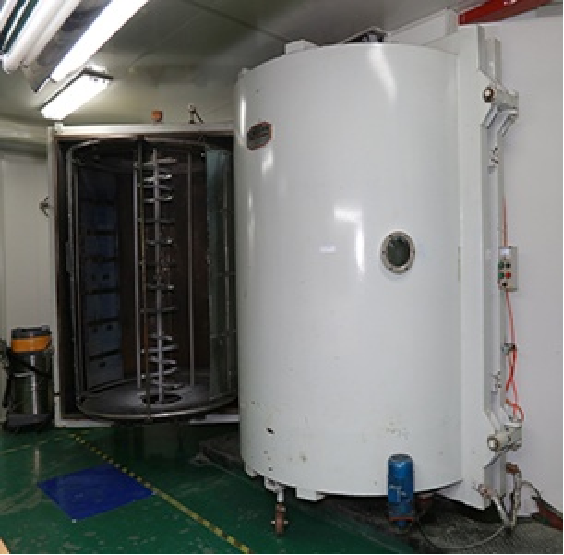
Vacuum Coating Finishes
Vacuum coating ensures precise control of film thickness and composition, delivering high-quality decorative surfaces.
Metallic Coating Layers
Metallic coatings provide a premium appearance often used in:
- Electronics
- Automotive parts
- Luxury accessories
Colored Thin Film Coatings
Thin film technologies enable a wide range of color effects without using traditional paints or dyes.
Technologies Used in Decorative Coating Manufacturing
Physical Vapor Deposition (PVD)
PVD technology is widely used for decorative applications due to its:
- Durability
- Environmental safety
- High-quality finish
Magnetron Sputtering
This method is ideal for producing:
- Uniform coatings
- Color-consistent surfaces
- High-performance decorative layers
Vacuum Thin Film Deposition
Vacuum-based deposition ensures:
- Clean coating environment
- Precise thickness control
- Excellent surface quality
Industries That Use Decorative Coating Manufacturers
Consumer Electronics
Consumer electronics heavily depend on decorative coatings for aesthetic appeal and brand identity.
Applications include:
- Smartphones
- Tablets
- Wearables
- Camera modules
Modern devices often integrate advanced Functional Coating for Cell Phone Camera technologies to combine both performance and visual refinement in compact optical systems.
Home Appliances
Decorative coatings are widely used in:
- Kitchen appliances
- Control panels
- Smart home devices
Manufacturers often rely on Electrical Decorative Panel Coating solutions to achieve durable and visually appealing surfaces that withstand daily use.
Automotive Industry
Automotive manufacturers use decorative coatings for:
- Interior trims
- Exterior accents
- Control interfaces
These coatings enhance both luxury feel and durability.
Luxury Products and Accessories
High-end goods require premium finishes that reflect quality and craftsmanship.
Examples include:
- Watches
- Jewelry components
- Fashion accessories
Functional vs Decorative Coatings
Decorative Coatings
Focused on:
- Appearance
- Texture
- Color consistency
Functional Coatings
Focused on:
- Performance improvement
- Surface protection
- Technical enhancement
Modern manufacturing often combines both for optimal results.
Benefits of Working with a Professional Decorative Coating Manufacturer
High-Quality Surface Finishes
Professional manufacturers ensure:
- Uniform color
- Smooth texture
- Long-lasting appearance
Advanced Material Engineering
Expert manufacturers use precise control over:
- Film thickness
- Material composition
- Deposition process
Scalable Production
Support for:
- Prototype development
- Small batch production
- Mass manufacturing
Market Differentiation
Premium coatings help brands stand out in competitive markets.
Quality Control in Decorative Coating Production
Visual Inspection
Ensures consistency in color and surface quality.
Thickness Measurement
Guarantees coating uniformity.
Durability Testing
Includes:
- Scratch resistance
- Adhesion testing
- Environmental aging tests
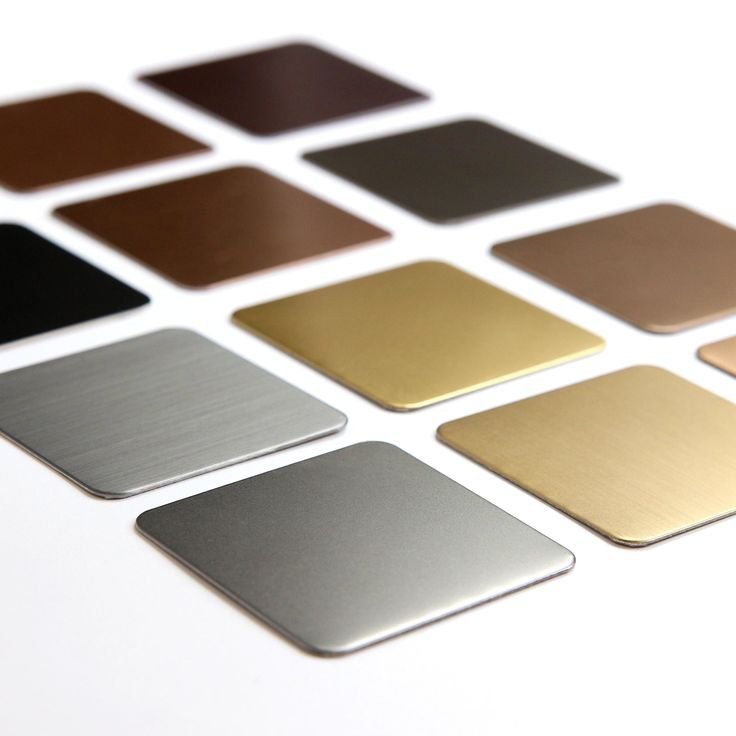
Custom Decorative Coating Solutions
Every product requires a unique surface identity.
Customization options include:
- Color matching
- Gloss level adjustment
- Texture design
- Multi-layer coatings
Custom solutions help manufacturers achieve both functional and aesthetic goals.
Future Trends in Decorative Surface Engineering
Nano Decorative Coatings
Ultra-thin coatings provide enhanced visual effects and durability.
Smart Surface Finishes
Emerging technologies include:
- Anti-fingerprint surfaces
- Self-cleaning coatings
- Adaptive color effects
Sustainable Coating Technologies
Eco-friendly vacuum processes are replacing traditional chemical-based coatings.
Integration of Function and Design
Future coatings will combine:
- Aesthetics
- Protection
- Smart functionality
Frequently Asked Questions
What does a decorative coating manufacturer do?
A decorative coating manufacturer creates surface finishes that improve appearance, durability, and product value using advanced coating technologies.
Where are decorative coatings used?
They are used in electronics, automotive parts, home appliances, luxury goods, and industrial products.
What is PVD decorative coating?
PVD is a vacuum-based process that produces durable, metallic, and colorful surface finishes.
Are decorative coatings durable?
Yes, modern decorative coatings also provide scratch and corrosion resistance.
Can decorative coatings be customized?
Yes, coatings can be customized in color, texture, gloss level, and performance.
What materials can be coated?
Metals, plastics, glass, ceramics, and composite materials can all be coated.
What is the difference between decorative and functional coatings?
Decorative coatings focus on appearance, while functional coatings focus on performance.
Are vacuum coatings environmentally friendly?
Yes, vacuum-based processes are generally cleaner and more environmentally friendly than traditional painting methods.
Conclusion
A professional decorative coating manufacturer plays a vital role in modern product development by combining aesthetics with durability and advanced surface engineering. As global markets continue to demand higher-quality and more visually appealing products, decorative coatings have become essential across electronics, automotive, appliances, and luxury industries.
By leveraging advanced technologies such as PVD and vacuum deposition, manufacturers can deliver premium surface finishes that enhance brand value, improve durability, and meet evolving consumer expectations worldwide.