

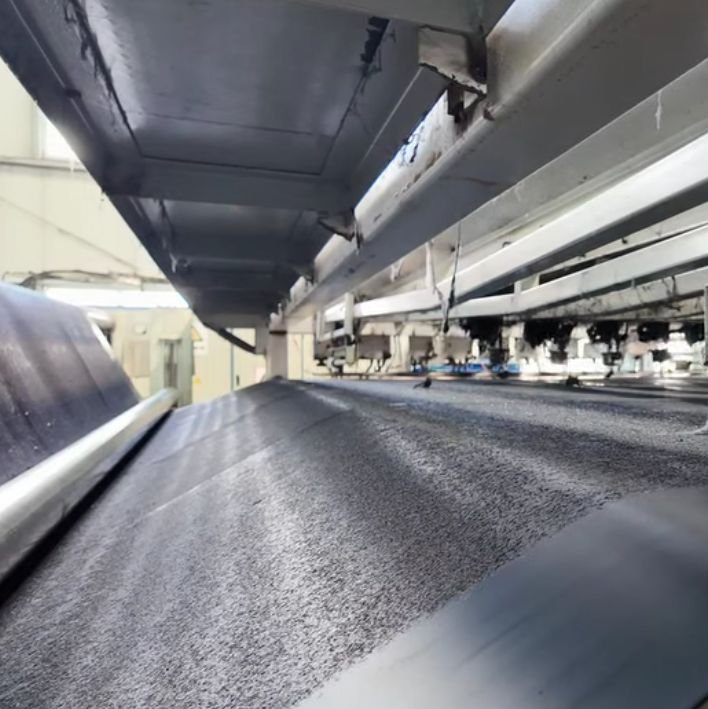
Surface Treatment Supplier for Advanced Manufacturing Needs
In today’s global manufacturing ecosystem, the role of a surface treatment supplier has become increasingly important. Modern products are no longer judged only by their internal components or mechanical design; surface performance now plays a critical role in determining durability, functionality, and user experience.
A professional surface treatment supplier provides advanced coating and finishing technologies that enhance material properties without altering the core structure of the product. These technologies are widely used in industries such as electronics, optics, automotive, medical devices, and industrial equipment.
As product requirements become more complex, manufacturers rely on specialized suppliers to deliver consistent, high-precision surface solutions that meet global performance standards.
What Is a Surface Treatment Supplier?
A surface treatment supplier is a company that provides technologies and services designed to modify and improve the surface properties of materials and components.
These suppliers typically offer solutions such as:
- Vacuum coating services
- Physical Vapor Deposition (PVD) coatings
- Thin film coatings
- Optical coatings
- Functional coatings
- Decorative coatings
- Protective surface treatments
These treatments are applied to materials like:
- Metal
- Glass
- Plastic
- Ceramic
- Composite substrates
The primary objective is to enhance performance, durability, and aesthetics without changing the base material.
Role of Surface Treatment in Modern Industry
Enhancing Product Durability
Surface treatments protect components from environmental and mechanical stress.
Common threats include:
- Corrosion
- Wear and abrasion
- Moisture exposure
- Chemical damage
- UV radiation
A high-quality surface treatment significantly extends product lifespan and reliability.
Improving Functional Performance
Modern surface treatments go beyond protection. They also enhance functionality.
Examples include:
- Anti-reflective properties for optics
- Conductive surfaces for electronics
- Low-friction coatings for mechanical parts
- Hydrophobic surfaces for environmental resistance
These improvements are essential for high-tech applications.
Supporting Aesthetic Design
In consumer industries, appearance is equally important.
Surface treatment suppliers help achieve:
- Metallic finishes
- Color consistency
- Premium textures
- Scratch-resistant surfaces
This enhances product appeal and brand value.
Core Surface Treatment Technologies
Vacuum Coating Solutions
Vacuum coating is one of the most advanced surface treatment methods.
Key advantages include:
- High purity deposition
- Precise thickness control
- Strong adhesion
- Excellent uniformity
It is widely used in electronics and optical applications.
PVD Coating Technology
Physical Vapor Deposition (PVD) is a widely adopted industrial process.
Benefits include:
- High wear resistance
- Corrosion protection
- Decorative metallic finishes
- Eco-friendly processing
PVD is commonly used in both functional and decorative applications.
Thin Film Deposition
Thin film technologies allow extremely precise control at the nanometer level.
Applications include:
- Optical lenses
- Sensors
- Semiconductor devices
- Scientific instruments
Functional Surface Engineering
Functional coatings are designed to improve performance rather than appearance.
Examples include:
- Anti-fingerprint coatings
- Anti-reflective layers
- Conductive coatings
- Protective barrier films
Industries That Depend on Surface Treatment Suppliers
Electronics and Semiconductor Industry
The electronics sector is one of the largest users of surface treatment services.
Applications include:
- Smartphones
- Sensors
- Display panels
- Semiconductor components
Modern imaging systems often rely on advanced Functional Coating for Cell Phone Camera solutions to improve optical clarity, reduce reflections, and enhance durability of camera modules.
As device performance becomes more advanced, surface treatments are essential for maintaining precision and reliability.
Optical and Imaging Systems
Optical systems require extremely precise coatings.
Applications include:
- Camera lenses
- Laser systems
- Medical imaging devices
- Optical filters
These coatings improve light transmission and reduce optical distortion.
Automotive and Mobility Sector
Automotive manufacturers use surface treatments for:
- Sensors
- Lighting systems
- Interior components
- Exterior trim
These coatings enhance both durability and functionality in demanding environments.
Industrial Equipment and Appliances
Industrial products require coatings that withstand heavy use.
Manufacturers often use Electrical Decorative Panel Coating solutions to improve durability and appearance of control panels, appliances, and electronic housings.
These coatings help maintain long-term performance and visual quality.
Benefits of Working with a Professional Surface Treatment Supplier
Advanced Technical Expertise
Experienced suppliers understand:
- Material science
- Thin film engineering
- Vacuum deposition processes
This ensures high-quality and reliable coating performance.
Customized Solutions
Every application has unique requirements.
Professional suppliers offer tailored solutions based on:
- Performance needs
- Environmental conditions
- Material compatibility
Scalable Manufacturing Capability
Reliable suppliers support:
- Prototype development
- Small batch production
- Mass production
This flexibility helps manufacturers scale efficiently.
Quality Assurance and Production Standards
Quality control is essential in surface treatment manufacturing.
Process Monitoring
Key parameters include:
- Vacuum stability
- Temperature control
- Deposition rate
Thickness and Uniformity Testing
Ensures coatings meet strict design specifications.
Performance Testing
Includes evaluation of:
- Adhesion strength
- Corrosion resistance
- Optical performance
- Wear durability
How to Choose the Right Surface Treatment Supplier
When selecting a supplier, consider:
Technical Capability
Ensure expertise in:
- Vacuum coating
- PVD technology
- Thin film engineering
Industry Experience
Suppliers with experience in your industry are more likely to understand application challenges.
Quality Management Systems
Strong quality systems ensure consistent and reliable output.
Comprehensive Service Offering
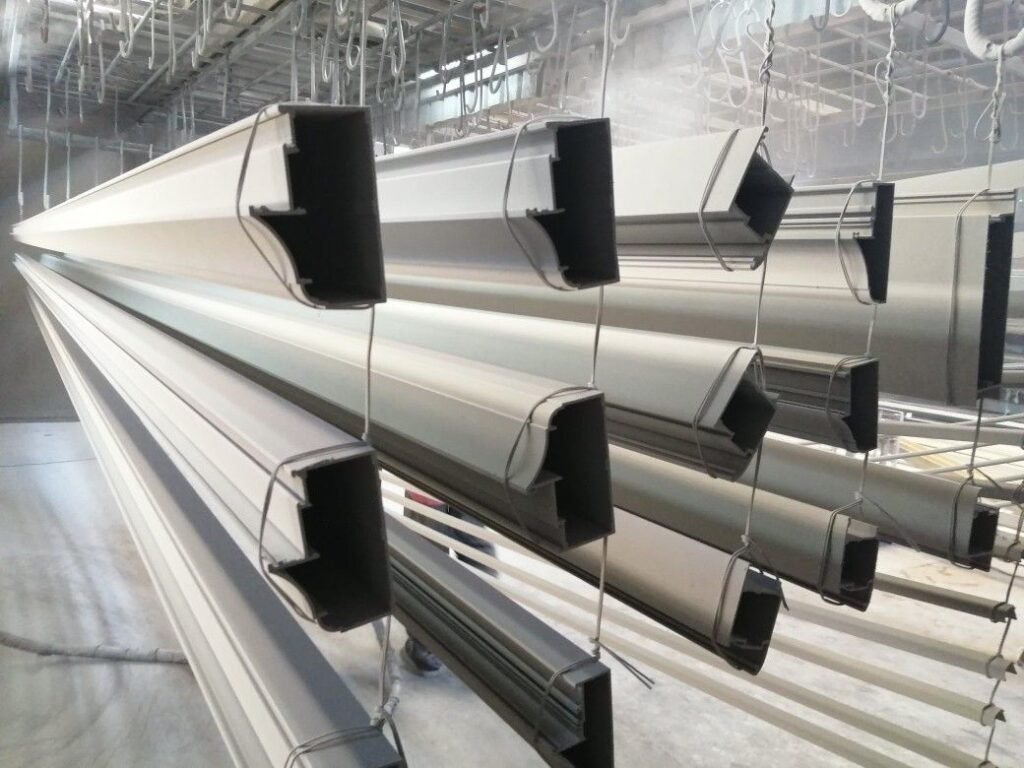
Companies benefit from suppliers offering multiple coating technologies. For broader surface engineering solutions, manufacturers can explore Vacuum Coating Solutions for electronics, optics, and industrial applications.
Future Trends in Surface Engineering
Nano-Scale Coatings
Ultra-thin coatings provide enhanced performance with minimal material use.
Smart Functional Surfaces
Emerging innovations include:
- Self-cleaning coatings
- Anti-microbial surfaces
- Anti-fog technologies
Sustainable Manufacturing
Eco-friendly coating processes are becoming more important globally.
Growth in High-Tech Industries
Demand is increasing from:
- AI devices
- AR/VR systems
- Autonomous vehicles
- High-precision imaging systems
Frequently Asked Questions
What does a surface treatment supplier do?
A surface treatment supplier provides coating and finishing technologies that improve durability, functionality, and appearance of materials.
Which industries use surface treatment services?
Electronics, automotive, optics, aerospace, medical, and industrial manufacturing industries commonly use surface treatments.
What is the difference between coating and surface treatment?
Surface treatment is a broader term that includes coatings as well as other surface modification techniques.
Are surface treatments durable?
Yes, high-quality surface treatments provide long-term resistance to wear, corrosion, and environmental damage.
Can surface treatments be customized?
Yes, they can be tailored based on material type, performance requirements, and application environment.
What technologies are used in surface treatment?
Common technologies include vacuum coating, PVD, and thin film deposition processes.
How do I choose a supplier?
Evaluate technical expertise, industry experience, production capacity, and quality control systems.
Are vacuum coatings environmentally friendly?
Many vacuum-based processes are cleaner and more environmentally friendly compared to traditional chemical finishing methods.
Conclusion
A professional surface treatment supplier plays a vital role in modern manufacturing by delivering advanced coating solutions that enhance durability, functionality, and aesthetics. As industries continue to evolve, demand for high-performance surface engineering will only increase.
By partnering with an experienced supplier, manufacturers can ensure product reliability, improve performance, and maintain a competitive edge in global markets.