

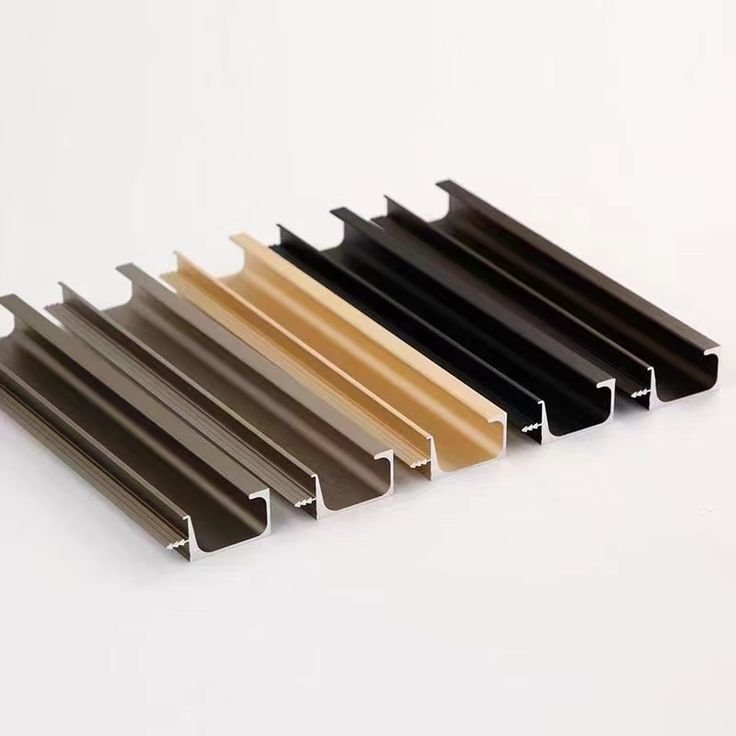
Industrial Coating Solutions for Modern Manufacturing
In today’s competitive manufacturing landscape, industrial coating solutions have become essential for improving product performance, extending service life, and enhancing visual appeal. Whether used in electronics, optical systems, automotive components, or consumer products, advanced coatings provide critical surface properties that help manufacturers meet increasingly demanding performance standards.
Modern coating technologies go far beyond simple protective layers. Today’s industrial coatings can improve wear resistance, control light transmission, enhance electrical functionality, and create premium decorative finishes. As global industries continue to innovate, the demand for high-performance coating solutions is growing rapidly.
What Are Industrial Coating Solutions?
Industrial coating solutions refer to specialized surface engineering technologies designed to improve the physical, chemical, optical, or decorative properties of a product.
These solutions may provide:
- Corrosion resistance
- Scratch protection
- Wear resistance
- Optical enhancement
- Electrical conductivity
- Decorative finishes
Industrial coatings can be applied to various substrates, including:
- Metals
- Plastics
- Glass
- Ceramics
- Composite materials
The goal is to enhance performance while maintaining production efficiency and product reliability.
Why Industrial Coatings Are Essential Today
Surface Protection
Industrial environments can expose products to:
- Moisture
- Chemicals
- Abrasion
- UV radiation
- Temperature fluctuations
Protective coatings help reduce damage and extend product lifespan.
Performance Enhancement
Advanced coatings improve functionality in numerous ways.
Examples include:
- Reduced friction
- Improved conductivity
- Enhanced optical clarity
- Better thermal management
These performance improvements often contribute directly to product competitiveness.
Aesthetic Improvements
Manufacturers increasingly use coatings to create premium product appearances.
Benefits include:
- Metallic finishes
- Color consistency
- Gloss enhancement
- Luxury aesthetics
Visual appeal is particularly important in consumer-facing industries.
Types of Industrial Coating Solutions
Vacuum Coatings
Vacuum coating technologies use controlled environments to deposit thin films onto surfaces.
Advantages include:
- High precision
- Excellent adhesion
- Uniform coverage
Vacuum coatings are widely used in electronics, optics, and decorative applications.
PVD Coatings
Physical Vapor Deposition (PVD) coatings provide:
- Wear resistance
- Corrosion protection
- Decorative finishes
- Functional surface enhancement
PVD technology is one of the most versatile industrial coating methods available today.
Optical Coatings
Optical coatings are designed to control how light interacts with surfaces.
Applications include:
- Camera lenses
- Optical filters
- Medical imaging systems
- Laser equipment
These coatings improve transmission, reduce reflection, and enhance image quality.
Functional Coatings
Functional coatings focus on performance rather than appearance.
Examples include:
- Anti-reflective coatings
- Anti-fingerprint coatings
- Conductive films
- Hydrophobic surfaces
These coatings are increasingly important in advanced electronic and optical products.
Key Industries Using Industrial Coating Solutions
Electronics Manufacturing
The electronics industry is one of the largest users of industrial coatings.
Applications include:
- Smartphones
- Sensors
- Display technologies
- Wearable devices
- Semiconductor components
Modern camera systems often require specialized Functional Coating for Cell Phone Camera technologies that improve optical performance, reduce glare, and enhance lens durability.
As consumer expectations for image quality continue to rise, advanced coatings play a critical role in device performance.
Optical and Imaging Systems
Optical industries rely heavily on thin-film coatings.
Applications include:
- Camera optics
- Medical imaging equipment
- Scientific instruments
- Laser systems
These coatings help achieve precise control over light transmission and reflection.
Automotive Industry
Automotive manufacturers use coatings for:
- Decorative trim
- Sensors
- Lighting systems
- Interior components
Advanced coatings improve durability while maintaining premium aesthetics.
Consumer Products and Appliances
Consumer-facing products often require coatings that balance appearance and performance.
Manufacturers commonly use Electrical Decorative Panel Coating solutions to create attractive, scratch-resistant surfaces for appliances, control panels, and electronic devices.
These coatings help products maintain their appearance throughout their service life.
Benefits of Advanced Industrial Coatings
Longer Product Lifespan
Protective coatings reduce wear and environmental damage, helping products last longer.
Reduced Maintenance Costs
Improved durability often leads to fewer repairs and replacements.
Enhanced Product Performance
Coatings can optimize:
- Optical characteristics
- Electrical functionality
- Thermal management
- Mechanical durability
Improved Market Appeal
Premium finishes help products stand out in competitive markets.
Custom Industrial Coating Solutions
Every industry has unique performance requirements.
Custom coating development may involve:
- Material selection
- Layer design
- Performance testing
- Process optimization
Customized solutions help manufacturers achieve specific performance targets while maintaining cost efficiency.
Quality Control and Manufacturing Standards
Consistent coating performance requires strict quality management.
Key quality procedures include:
Surface Inspection
Ensuring substrates meet coating requirements.
Thickness Measurement
Maintaining precise film thickness throughout production.
Performance Testing
Evaluating:
- Adhesion
- Corrosion resistance
- Wear resistance
- Optical performance
These measures help ensure reliable results.
Choosing the Right Coating Partner
Selecting a coating provider requires evaluating several factors.
Technical Expertise
Look for experience in:
- Surface engineering
- Thin-film technologies
- Industry-specific applications
Manufacturing Capabilities
Assess:
- Production capacity
- Equipment quality
- Process flexibility
Comprehensive Service Portfolio
Manufacturers often benefit from suppliers that offer multiple coating technologies and application expertise. Companies seeking a wider range of advanced surface engineering services can explore Vacuum Coating Solutions for electronics, optical components, decorative surfaces, and industrial manufacturing.
Future Trends in Industrial Coatings
The industrial coating sector continues to evolve rapidly.
Nano-Coatings
Nano-engineered films offer enhanced performance with minimal material usage.
Smart Surface Technologies
Emerging coatings may provide:
- Self-cleaning functionality
- Anti-microbial protection
- Anti-fog performance
Sustainable Manufacturing
Environmental regulations and customer expectations are driving demand for cleaner coating technologies.
Growth of Advanced Electronics
Expanding markets for:
- Artificial intelligence devices
- Autonomous vehicles
- AR/VR technologies
will continue increasing demand for high-performance industrial coatings.
Frequently Asked Questions
What are industrial coating solutions?
Industrial coating solutions are advanced surface treatments designed to improve durability, functionality, appearance, and performance.
Which industries use industrial coatings?
Electronics, automotive, aerospace, optics, medical devices, and consumer products industries commonly use industrial coatings.
What are the benefits of industrial coatings?
Benefits include wear resistance, corrosion protection, improved aesthetics, and enhanced product functionality.
Can industrial coatings be customized?
Yes. Coatings can be tailored to specific materials, environmental conditions, and performance requirements.
Are industrial coatings environmentally friendly?
Many modern coating technologies, especially vacuum-based coatings, offer lower environmental impact compared to traditional finishing methods.
How long do industrial coatings last?
Lifespan depends on the coating type and operating environment, but high-quality coatings can provide years of reliable performance.
What is the difference between decorative and functional coatings?
Decorative coatings focus on appearance, while functional coatings are engineered to improve performance characteristics.
How do I choose the right coating solution?
Consider application requirements, substrate materials, environmental conditions, and performance goals when selecting a coating solution.
Conclusion
Industrial coating solutions are a cornerstone of modern manufacturing, helping businesses improve product durability, functionality, and appearance. From electronics and optical systems to automotive components and consumer products, advanced coatings provide measurable advantages that support product innovation and long-term performance.
As technology continues to advance, industrial coating solutions will play an increasingly important role in helping manufacturers meet evolving market demands while maintaining quality, efficiency, and competitiveness on a global scale.