

Thin Film Coating Service for Advanced Surface Engineering
As industries continue to demand higher product performance, durability, and precision, the need for a reliable thin film coating service has grown significantly. Thin film coatings are engineered layers of material, often only a few nanometers to several microns thick, that enhance the surface properties of a product without altering its core structure.
From smartphone cameras and optical lenses to automotive sensors and decorative panels, thin film coatings play a critical role in modern manufacturing. By carefully controlling material composition and deposition methods, manufacturers can achieve improved optical performance, wear resistance, conductivity, and aesthetic appeal.
What Is a Thin Film Coating Service?
A thin film coating service involves depositing extremely thin layers of material onto a substrate using advanced vacuum-based technologies. These coatings are engineered to provide specific properties depending on the intended application.
Common objectives include:
- Improving durability
- Reducing reflection
- Increasing conductivity
- Enhancing corrosion resistance
- Creating decorative finishes
- Optimizing optical performance
Thin film coatings can be applied to:
- Glass
- Plastic
- Metal
- Ceramic
- Composite materials
Because of their versatility, they are used across a wide range of industries worldwide.
Why Thin Film Coatings Matter in Modern Manufacturing
Enhanced Surface Performance
Thin film coatings improve how surfaces interact with their environment.
Benefits include:
- Increased hardness
- Better wear resistance
- Reduced friction
- Improved environmental protection
These advantages help products perform reliably under demanding conditions.
Improved Product Lifespan
Protective coatings can significantly extend the operational life of components by reducing damage caused by:
- Abrasion
- Corrosion
- Moisture
- Chemical exposure
Longer-lasting products often lead to lower maintenance and replacement costs.
Precision Functional Control
Thin film technology allows manufacturers to precisely engineer surface properties.
Examples include:
- Anti-reflective optics
- Conductive films
- Hydrophobic surfaces
- Thermal barriers
This level of customization makes thin film coatings valuable in high-tech industries.
How Thin Film Coating Services Work
Vacuum Deposition Processes
Most thin film coatings are produced using vacuum deposition technologies.
Common methods include:
- Physical Vapor Deposition (PVD)
- Magnetron Sputtering
- Thermal Evaporation
- Electron Beam Evaporation
The vacuum environment minimizes contamination and ensures high coating quality.
Material Selection and Film Design
Successful coating performance depends on selecting the appropriate materials and layer structures.
Factors considered include:
- Substrate type
- Optical requirements
- Environmental conditions
- Mechanical performance targets
Careful engineering ensures the coating meets application-specific requirements.
Types of Thin Film Coatings
Optical Thin Films
Designed to control light transmission and reflection.
Applications include:
- Camera lenses
- Optical filters
- Laser systems
- Medical imaging devices
Optical thin films are essential for modern imaging technologies.
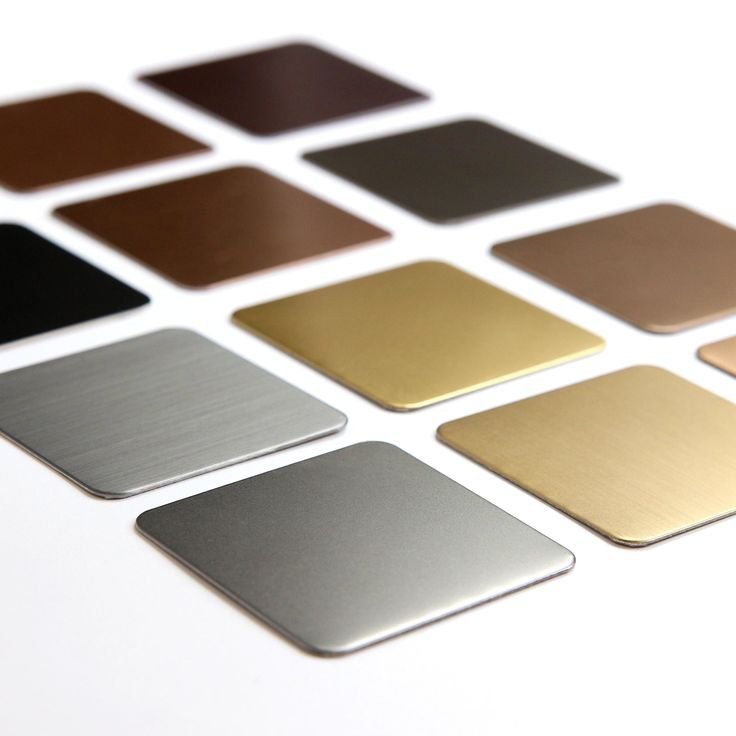
Decorative Thin Films
Decorative coatings improve visual appearance while maintaining durability.
Benefits include:
- Metallic finishes
- Color consistency
- Scratch resistance
- Corrosion protection
Manufacturers frequently utilize Electrical Decorative Panel Coating solutions to create attractive and durable surfaces for electronic products, appliances, and industrial panels.
Functional Thin Films
Functional coatings improve performance rather than appearance.
Examples include:
- Anti-reflective coatings
- Conductive coatings
- Anti-fingerprint layers
- Protective barrier films
These coatings are increasingly important in advanced electronics and optics.
Industries That Use Thin Film Coating Services
Electronics Industry
Thin film coatings are widely used in:
- Smartphones
- Wearables
- Sensors
- Semiconductors
- Display technologies
Modern imaging devices often require specialized Functional Coating for Cell Phone Camera solutions to improve optical clarity, minimize reflection, and enhance lens durability.
As consumer expectations for camera performance continue to rise, precision thin film coatings have become indispensable.
Optical and Imaging Systems
Applications include:
- Camera optics
- Scientific instruments
- Laser systems
- Medical imaging equipment
Thin films improve transmission, reflection control, and overall image quality.
Automotive Applications
Automotive manufacturers use thin film coatings for:
- Sensors
- Lighting systems
- Interior trim
- Driver assistance technologies
These coatings improve both durability and performance.
Medical Devices
Medical equipment requires coatings that deliver precision, reliability, and long-term stability.
Applications include:
- Diagnostic systems
- Surgical imaging tools
- Optical sensors
Benefits of Professional Thin Film Coating Services
Choosing an experienced coating provider offers several advantages.
Advanced Engineering Expertise
Professional providers understand:
- Material science
- Deposition technologies
- Application requirements
This expertise helps optimize coating performance.
Customization Capabilities
Each industry has unique needs. Custom thin film solutions can be developed based on:
- Performance goals
- Environmental conditions
- Product specifications
Scalable Manufacturing
Reliable providers support:
- Prototype development
- Pilot production
- High-volume manufacturing
This flexibility supports long-term business growth.
Quality Control in Thin Film Manufacturing
Consistent coating quality requires rigorous quality assurance procedures.
Film Thickness Measurement
Accurate thickness control is essential for predictable performance.
Adhesion Testing
Strong adhesion ensures long-term durability.
Optical and Functional Testing
Coatings are evaluated for:
- Light transmission
- Reflectivity
- Conductivity
- Wear resistance
These tests help verify performance specifications.
Choosing the Right Thin Film Coating Service Provider
When evaluating providers, consider the following:
Technical Capabilities
Assess:
- Available deposition technologies
- Engineering expertise
- Material options
Industry Experience
Look for experience in your target market and application area.
Quality Management
Reliable providers maintain strict production and testing standards.
Comprehensive Coating Solutions
Manufacturers often benefit from working with providers that offer multiple coating technologies and application expertise. Businesses seeking broader capabilities can explore Vacuum Coating Solutions to support a wide range of industrial, optical, and decorative projects.
Future Trends in Thin Film Technology
The thin film industry continues to evolve rapidly.
Nano-Engineered Coatings
Nano-scale structures provide enhanced performance with minimal material usage.
Smart Surface Technologies
Emerging solutions include:
- Self-cleaning coatings
- Anti-microbial films
- Anti-fog surfaces
Advanced Optical Systems
Growth in:
- AR/VR devices
- Autonomous vehicles
- Artificial intelligence imaging
will continue driving demand for sophisticated thin film coatings.
Sustainable Manufacturing
Manufacturers increasingly focus on reducing waste and improving energy efficiency throughout coating processes.
Frequently Asked Questions
What is a thin film coating service?
A thin film coating service applies ultra-thin material layers to improve the performance, durability, or appearance of a surface.
What industries use thin film coatings?
Electronics, optics, automotive, aerospace, medical, and consumer products industries all use thin film technologies.
How are thin film coatings applied?
Most are applied using vacuum deposition methods such as PVD, sputtering, or evaporation.
Can thin film coatings improve optical performance?
Yes. Optical thin films help improve light transmission, reduce reflection, and enhance image quality.
Are thin film coatings durable?
High-quality thin film coatings can provide excellent wear resistance, corrosion protection, and environmental stability.
Can thin film coatings be customized?
Yes. Coatings can be engineered to meet specific optical, mechanical, electrical, or decorative requirements.
What materials are used in thin film coatings?
Common materials include titanium, chromium, aluminum, nickel, silicon compounds, and various metal oxides.
How do I choose a thin film coating service provider?
Evaluate technical expertise, manufacturing capabilities, quality control systems, and customization options.
Conclusion
A professional thin film coating service helps manufacturers enhance product performance, durability, and appearance through advanced surface engineering technologies. Whether applied to electronics, optical systems, medical devices, or decorative components, thin film coatings offer precise and highly effective solutions for modern manufacturing challenges.
As industries continue to demand greater efficiency and innovation, thin film coating technologies will remain a key driver of product development and competitive advantage across global markets.