

PVD Coating Manufacturer for Industry
As global industries demand higher product quality, longer service life, and improved aesthetics, the role of a professional PVD coating manufacturer has become increasingly important. Physical Vapor Deposition (PVD) technology provides advanced thin-film coatings that enhance the appearance, durability, and functionality of products used across electronics, automotive, optics, and consumer goods industries.
Modern manufacturers rely on PVD coatings to create surfaces that resist wear, improve corrosion protection, and deliver premium finishes. This article explores the capabilities of PVD coating manufacturers, the technologies they use, and the industries that benefit from their expertise.
What Is a PVD Coating Manufacturer?
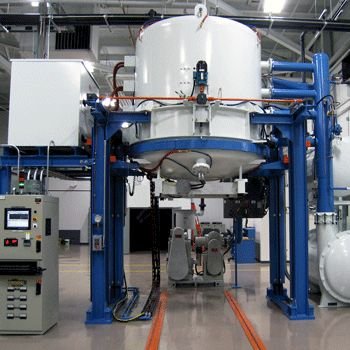
A PVD coating manufacturer specializes in applying thin-film coatings through a vacuum deposition process known as Physical Vapor Deposition. During the process, coating materials are vaporized inside a vacuum chamber and deposited onto the target surface, creating a highly uniform and durable coating layer.
PVD coating manufacturers provide solutions for:
- Decorative finishes
- Wear-resistant surfaces
- Optical enhancement
- Electrical conductivity
- Corrosion protection
- Functional surface engineering
Unlike traditional finishing methods, PVD technology offers greater precision, consistency, and environmental sustainability.
Understanding PVD Coating Technology
How Physical Vapor Deposition Works
The PVD process begins by placing components inside a vacuum chamber. Coating materials are converted into vapor through various deposition methods and then deposited onto the substrate surface.
The vacuum environment provides:
- Excellent coating purity
- Reduced contamination
- Strong adhesion
- Precise thickness control
These advantages make PVD one of the most reliable coating technologies available today.
Types of PVD Processes
Several deposition methods are commonly used by PVD coating manufacturers.
Magnetron Sputtering
A plasma-based process that offers excellent coating uniformity and precision.
Arc Evaporation
Produces dense coatings with exceptional hardness and wear resistance.
Thermal Evaporation
Ideal for decorative and reflective coating applications.
Each technology is selected based on the desired coating properties and application requirements.
Why PVD Coatings Are Widely Used
Manufacturers choose PVD coatings because they deliver both functional and decorative advantages.
Superior Durability
PVD coatings improve resistance against:
- Scratches
- Abrasion
- Corrosion
- Oxidation
This extends product lifespan and reduces maintenance requirements.
Enhanced Appearance
PVD technology can create:
- Metallic finishes
- Mirror-like surfaces
- Satin textures
- Decorative colors
The result is a premium appearance that enhances product value.
Environmentally Friendly Manufacturing
Compared with traditional electroplating and painting methods, PVD coatings typically:
- Generate less waste
- Use fewer hazardous chemicals
- Reduce environmental impact
Industries Served by PVD Coating Manufacturers
Electronics Manufacturing
Electronics represent one of the largest markets for PVD coatings.
Applications include:
- Smartphones
- Wearable devices
- Connectors
- Sensors
- Consumer electronics
High-performance imaging systems often require specialized solutions such as Functional Coating for Cell Phone Camera to improve optical performance, durability, and lens protection.
As smartphone camera technology continues to evolve, advanced functional coatings have become an essential part of modern device manufacturing.
Optical Components and Imaging Systems
Optical industries rely heavily on thin-film coatings.
Applications include:
- Camera lenses
- Optical filters
- Medical imaging devices
- Laser systems
PVD coatings improve:
- Light transmission
- Reflection control
- Surface protection
- Optical clarity
These benefits are critical for high-precision optical systems.
Automotive Industry
Automotive manufacturers use PVD coatings for:
- Interior trim
- Decorative accents
- Lighting systems
- Sensors
PVD coatings help create durable surfaces that maintain their appearance under demanding operating conditions.
Consumer Products
Consumer goods manufacturers use PVD technology to improve product aesthetics and durability.
Examples include:
- Home appliances
- Personal electronics
- Luxury accessories
- Cosmetic packaging
The ability to create attractive metallic finishes without solid metal components offers significant design flexibility.
Decorative PVD Coating Solutions
Decorative coatings are designed to improve the visual appeal of products while maintaining long-term durability.
Benefits include:
- Premium appearance
- Scratch resistance
- Corrosion protection
- Color consistency
Manufacturers seeking decorative surface enhancement often utilize Electrical Decorative Panel Coating solutions to create visually appealing and highly durable panel surfaces for electronics and appliance applications.
Decorative PVD coatings allow manufacturers to achieve luxury aesthetics without sacrificing performance.
Functional PVD Coating Applications
Beyond appearance, PVD coatings can significantly improve product performance.
Common functional applications include:
Anti-Reflective Coatings
Used in optical systems to reduce glare and improve light transmission.
Conductive Coatings
Applied to electronic components requiring electrical functionality.
Wear-Resistant Coatings
Protect high-use components from mechanical damage.
Hydrophobic and Anti-Fingerprint Coatings
Improve user experience for consumer electronics and display products.
These functional coatings continue to drive innovation across multiple industries.
Materials Used in PVD Coating
Different coating materials provide different performance characteristics.
| Material | Typical Application |
|---|---|
| Titanium | Decorative and wear-resistant coatings |
| Chromium | Corrosion resistance |
| Aluminum | Reflective coatings |
| Copper | Electronics |
| Nickel | Conductive applications |
| Zirconium | Decorative finishes |
| Silicon Oxides | Optical coatings |
Selecting the correct material is essential for achieving desired performance outcomes.
Key Advantages of Working with a Professional Manufacturer
A qualified PVD coating manufacturer provides more than coating services.
Benefits include:
Engineering Expertise
Professional manufacturers help optimize coating selection and process parameters.
Customization Capabilities
Every project has unique requirements.
Manufacturers can tailor:
- Coating composition
- Thickness
- Surface properties
- Performance characteristics
Scalable Production
Reliable suppliers support both prototype development and high-volume production.
Quality Control in PVD Manufacturing
Quality assurance is critical to coating performance.
Professional manufacturers implement:
Material Verification
Ensuring raw materials meet strict specifications.
Process Monitoring
Monitoring:
- Chamber pressure
- Temperature
- Deposition rate
- Film thickness
Performance Testing
Testing may include:
- Adhesion testing
- Wear resistance evaluation
- Corrosion testing
- Optical measurements
These procedures help maintain consistent quality standards.
How to Select the Right PVD Coating Manufacturer
When evaluating suppliers, consider:
Industry Experience
Look for a manufacturer with proven expertise in your application area.
Technical Resources
Evaluate:
- Equipment capabilities
- Process flexibility
- Engineering support
Quality Management
A strong quality system is essential for repeatable results.
Comprehensive Service Offering
Manufacturers offering a broad range of coating solutions can better support future product development needs. Businesses seeking additional technologies can explore the full range of Vacuum Coating Solutions available for industrial, decorative, and functional applications.
Future Trends in PVD Coating Technology
The industry continues to evolve rapidly.
Nano-Coatings
Ultra-thin coatings provide enhanced performance with minimal material consumption.
Smart Surface Technologies
Emerging coatings offer:
- Self-cleaning properties
- Antimicrobial protection
- Anti-fingerprint functionality
Sustainable Manufacturing
Growing environmental concerns are driving demand for cleaner and more efficient coating processes.
Advanced Electronics
Increasing demand for sensors, imaging systems, and wearable devices will continue to expand the role of PVD coatings.
Frequently Asked Questions
What does a PVD coating manufacturer do?
A PVD coating manufacturer applies thin-film coatings using vacuum deposition technologies to improve product durability, appearance, and functionality.
What industries use PVD coatings?
Electronics, automotive, optics, aerospace, medical devices, and consumer products all use PVD coatings.
Are PVD coatings durable?
Yes. PVD coatings offer excellent wear resistance, scratch resistance, and corrosion protection.
Can PVD coatings be applied to plastic components?
Yes. Many PVD processes are suitable for plastics used in electronics and consumer products.
What is the difference between PVD and electroplating?
PVD is a vacuum-based process that provides thinner, more precise, and environmentally friendly coatings.
Can PVD coatings improve optical performance?
Yes. PVD coatings are widely used in lenses and optical systems to enhance light transmission and reduce reflection.
Are PVD coatings environmentally friendly?
Generally, yes. PVD processes often produce less waste and use fewer hazardous chemicals than traditional finishing methods.
How do I choose a reliable PVD coating manufacturer?
Consider technical expertise, quality assurance systems, customization capabilities, and production capacity.
Conclusion
A professional PVD coating manufacturer plays a vital role in helping businesses improve product quality, durability, and performance. Through advanced vacuum deposition technologies, manufacturers can deliver decorative and functional coatings that meet the demands of modern industries.
Whether used in electronics, optical systems, automotive components, or consumer products, PVD coatings continue to provide significant advantages in both performance and aesthetics. By partnering with an experienced manufacturer, businesses can access innovative coating solutions that support long-term growth and competitiveness in global markets.