

Vacuum Deposition Coating: Applications and Benefits
Modern manufacturers are constantly looking for ways to improve product performance, durability, and appearance. One technology that has become increasingly important across multiple industries is vacuum deposition coating. This advanced surface engineering process allows manufacturers to create highly controlled thin-film coatings that enhance both the functionality and aesthetics of products.
From smartphone camera lenses and electronic components to decorative panels and automotive parts, vacuum deposition coating is widely used to achieve precise, durable, and high-performance surface finishes. As global industries continue to demand higher quality standards, vacuum deposition technologies are playing an essential role in modern manufacturing.
What Is Vacuum Deposition Coating?
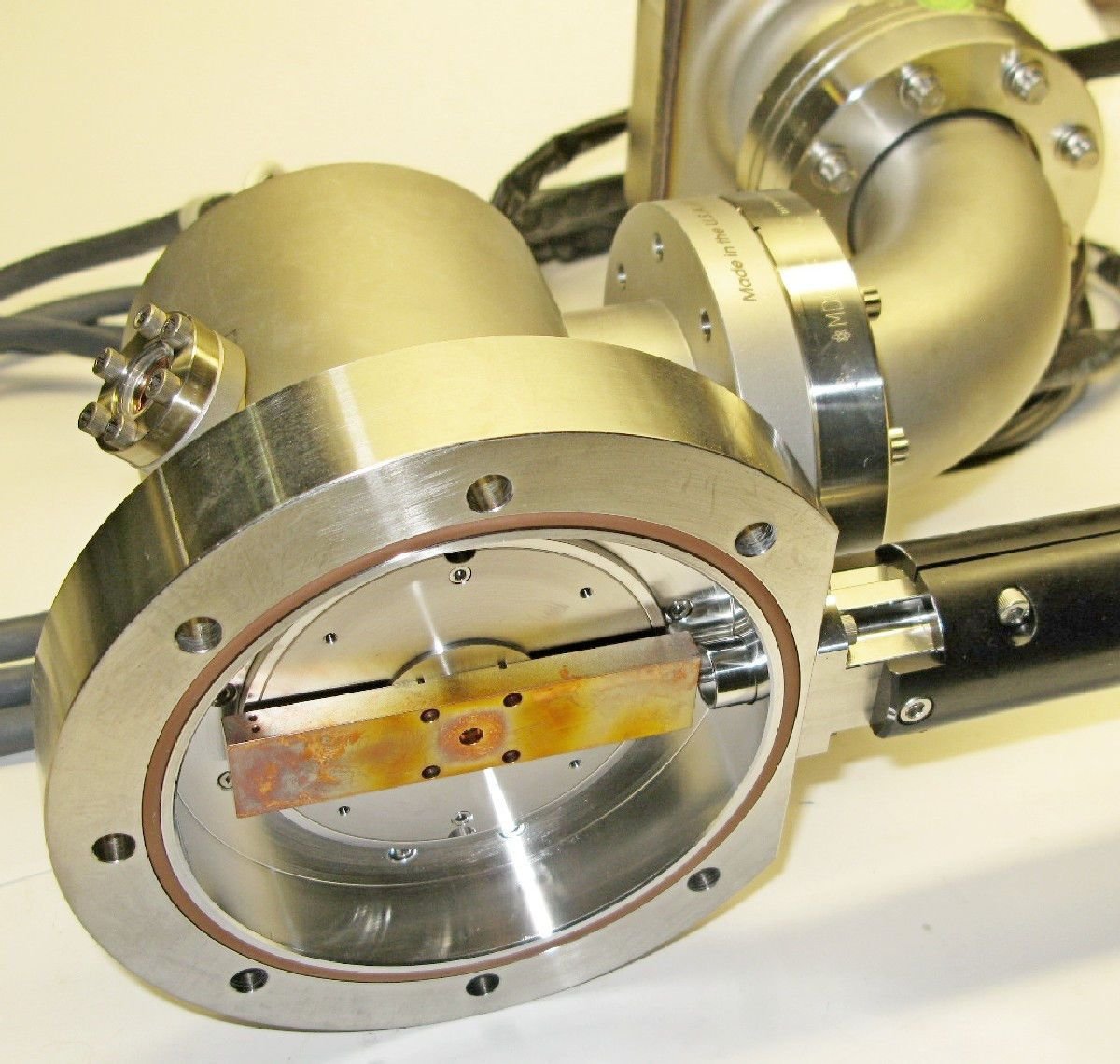
Vacuum deposition coating is a process in which thin layers of material are deposited onto a substrate within a controlled vacuum chamber. By removing air and contaminants from the environment, manufacturers can achieve extremely uniform coatings with strong adhesion and precise thickness control.
The deposited layers may serve decorative, protective, optical, electrical, or mechanical purposes. Depending on the application, coatings can be only a few nanometers thick or significantly thicker for enhanced durability.
Vacuum deposition coating is commonly applied to:
- Metals
- Plastics
- Glass
- Ceramics
- Composite materials
Its versatility makes it one of the most widely adopted coating technologies in modern industry.
How Vacuum Deposition Coating Works
The coating process begins by placing components inside a vacuum chamber. Once air is removed, coating materials are vaporized, ionized, or chemically activated before being deposited onto the substrate.
The Vacuum Environment
The vacuum environment offers several advantages:
- Reduced contamination
- Better coating adhesion
- Improved coating uniformity
- Enhanced process control
This controlled setting enables manufacturers to produce high-quality finishes consistently.
Material Deposition Process
After vacuum conditions are achieved, the coating material is transformed into a vapor phase. The material then travels through the chamber and bonds to the target surface.
The result is a thin, highly controlled coating layer that improves product performance without significantly increasing weight or thickness.
Types of Vacuum Deposition Coating
Several technologies fall under the category of vacuum deposition coating.
Physical Vapor Deposition (PVD)
PVD is one of the most widely used vacuum coating methods.
Advantages include:
- Excellent durability
- Decorative versatility
- Strong adhesion
- Environmentally friendly processing
PVD coatings are commonly found in electronics, automotive components, and decorative products.
Chemical Vapor Deposition (CVD)
CVD relies on chemical reactions to create coating layers.
Applications include:
- Semiconductor manufacturing
- Advanced industrial tooling
- High-temperature components
CVD coatings often provide exceptional hardness and thermal resistance.
Sputtering Technology
Sputtering uses plasma to eject coating material onto a surface.
Benefits include:
- Precise film thickness control
- High optical quality
- Excellent coating uniformity
This process is widely used in display technology and optical applications.
Key Benefits of Vacuum Deposition Coating
Manufacturers choose vacuum deposition coating because it offers significant performance advantages.
Enhanced Durability
Vacuum coatings improve resistance to:
- Scratches
- Wear
- Corrosion
- Environmental exposure
This helps products maintain their functionality and appearance over time.
Improved Appearance
Decorative coatings can create:
- Metallic finishes
- Mirror-like effects
- Satin textures
- Custom colors
Premium finishes enhance product value and customer perception.
Precision and Consistency
Vacuum deposition processes allow for highly controlled coating thickness and composition, ensuring repeatable quality in large-scale production.
Environmental Benefits
Compared to many traditional finishing methods, vacuum coating processes often generate less waste and require fewer hazardous chemicals.
Industries Using Vacuum Deposition Coating
Electronics Manufacturing
Electronics manufacturers rely heavily on vacuum deposition coating.
Applications include:
- Smartphones
- Wearable devices
- Connectors
- Sensors
- Display components
Advanced optical coatings are especially important for imaging systems. Manufacturers seeking improved lens performance often utilize specialized functional coating for cell phone camera components, helping improve image quality, durability, and optical efficiency.
Optical Components
Optical industries require precise coatings to control how light interacts with surfaces.
Common applications include:
- Camera lenses
- Optical filters
- Laser systems
- Medical imaging equipment
Vacuum deposition coating improves light transmission while reducing unwanted reflections.
Automotive Industry
Automotive manufacturers use vacuum coatings for:
- Interior trim
- Lighting systems
- Decorative accents
- Sensors
The technology helps improve durability while maintaining attractive finishes.
Consumer Products
Many consumer products feature vacuum-coated surfaces, including:
- Home appliances
- Cosmetics packaging
- Luxury goods
- Personal electronics
Decorative Vacuum Deposition Coatings
Decorative coatings are designed to improve visual appeal while maintaining durability.
Common benefits include:
- Premium appearance
- Scratch resistance
- Color consistency
- Corrosion protection
Manufacturers of consumer electronics and appliances frequently use electrical decorative panel coating solutions to create visually appealing surfaces capable of withstanding everyday use.
Decorative vacuum coatings can replicate metallic finishes without the weight and cost associated with solid metal components.
Functional Vacuum Deposition Coatings
While decorative coatings focus on appearance, functional coatings focus on performance.
Functional coatings can provide:
- Anti-reflective properties
- Hydrophobic behavior
- Electrical conductivity
- Thermal management
- Anti-fingerprint protection
These features are especially valuable in high-performance electronics and optical systems.
Material Options for Vacuum Coatings
Different materials are selected based on application requirements.
| Material | Typical Application |
|---|---|
| Aluminum | Reflective surfaces |
| Titanium | Decorative and wear-resistant coatings |
| Chromium | Corrosion protection |
| Nickel | Conductive coatings |
| Copper | Electronics |
| Silver | Optical coatings |
| Gold | Semiconductor devices |
| Silicon Oxides | Optical enhancement |
The choice of material directly affects coating performance and durability.
Quality Factors in Vacuum Deposition
Several factors influence coating quality.
Substrate Preparation
Proper cleaning removes contaminants that could interfere with coating adhesion.
Vacuum Stability
Stable vacuum conditions help ensure consistent coating quality.
Process Control
Critical variables include:
- Temperature
- Pressure
- Deposition rate
- Coating thickness
Experienced manufacturers carefully monitor these parameters throughout production.
For businesses seeking a broader range of coating technologies and manufacturing capabilities, exploring comprehensive coating solutions can help identify the best approach for specific applications.
Future Trends in Vacuum Deposition Technology
The industry continues to evolve with new innovations.
Nano-Coatings
Nano-scale coatings offer enhanced functionality while using minimal material.
Smart Functional Surfaces
Emerging technologies include:
- Self-cleaning coatings
- Antimicrobial coatings
- Anti-fingerprint surfaces
Sustainable Manufacturing
Manufacturers increasingly focus on reducing energy consumption and material waste.
Advanced Optical Applications
Growing demand for cameras, sensors, and AR/VR systems continues to drive coating innovation.
Frequently Asked Questions
What is vacuum deposition coating used for?
Vacuum deposition coating is used to improve durability, appearance, conductivity, optical performance, and corrosion resistance.
How does vacuum deposition differ from traditional coating?
Vacuum deposition provides greater precision, better adhesion, and improved environmental performance.
What industries use vacuum deposition coating?
Electronics, optics, automotive, aerospace, medical, and consumer product industries commonly use vacuum coatings.
Is vacuum deposition coating durable?
Yes. Properly applied vacuum coatings offer excellent wear resistance and long-term performance.
Can vacuum deposition be applied to plastics?
Yes. Many vacuum coating processes are specifically designed for plastic components used in electronics and consumer goods.
What is the difference between PVD and CVD?
PVD physically deposits coating material, while CVD uses chemical reactions to create coating layers.
Are vacuum coatings environmentally friendly?
Many vacuum coating processes produce less waste and use fewer hazardous substances than traditional finishing methods.
Can vacuum coatings be customized?
Yes. Manufacturers often tailor coating materials and processes to meet specific performance requirements.
Conclusion
Vacuum deposition coating has become a cornerstone of modern manufacturing, providing advanced surface solutions that enhance durability, appearance, and functionality. Whether used in electronics, optical systems, decorative panels, or industrial components, vacuum coatings help manufacturers meet increasingly demanding performance standards.
As technology continues to evolve, vacuum deposition coating will remain a critical tool for creating innovative products that combine aesthetics, reliability, and high-performance functionality. By partnering with experienced coating specialists and leveraging advanced coating technologies, manufacturers can gain a significant competitive advantage in global markets.